

Wooden Sarcophagus
Artist: Unknown
Date: XXVI Dynasty (664-525 B.C.)
Classification: Sarcophagus
Dimensions: n/a
Materials: Painted wood
Adopted By: The California Chapter
Description
HIGH PRIORITY PROJECT
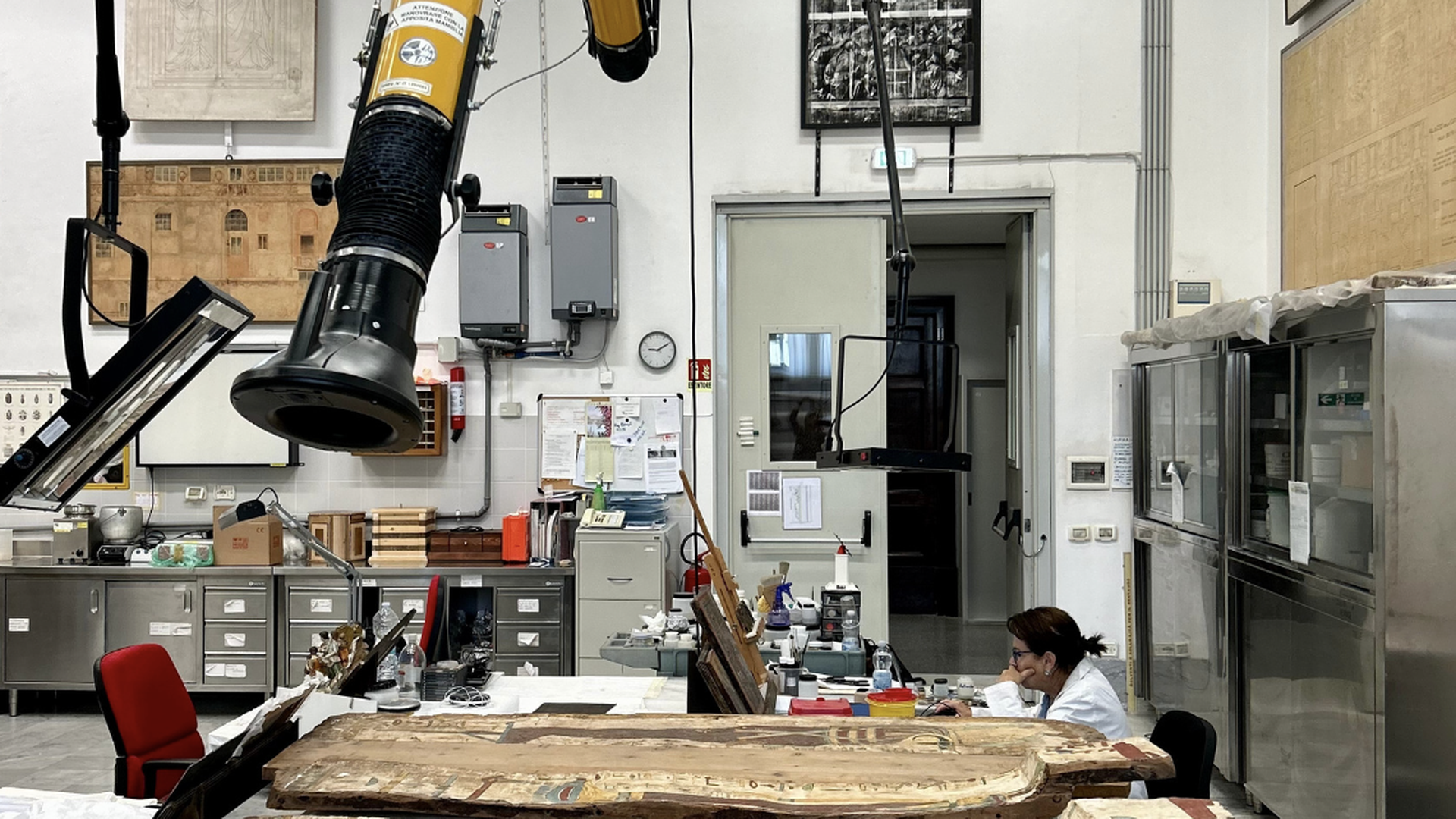
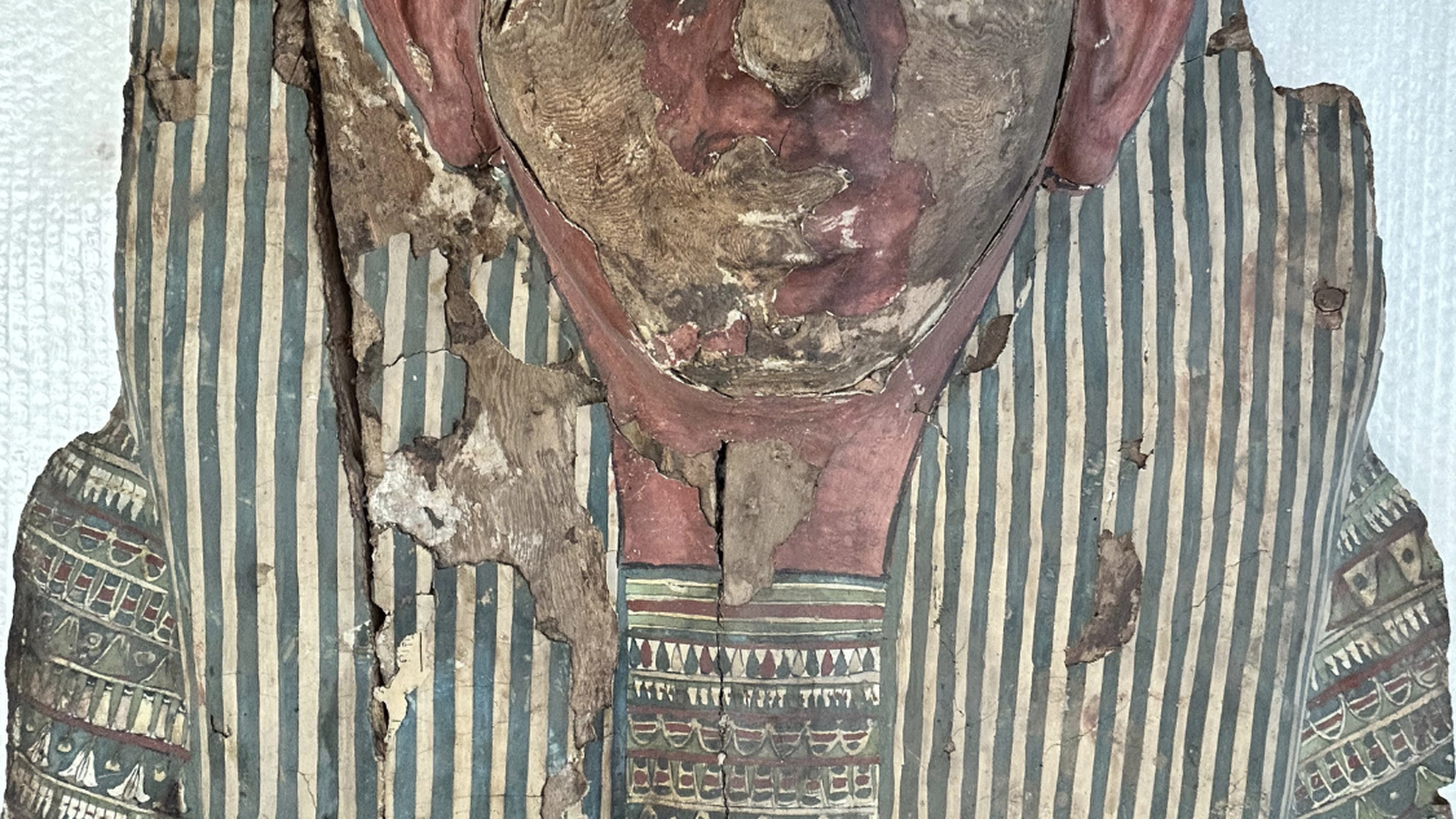
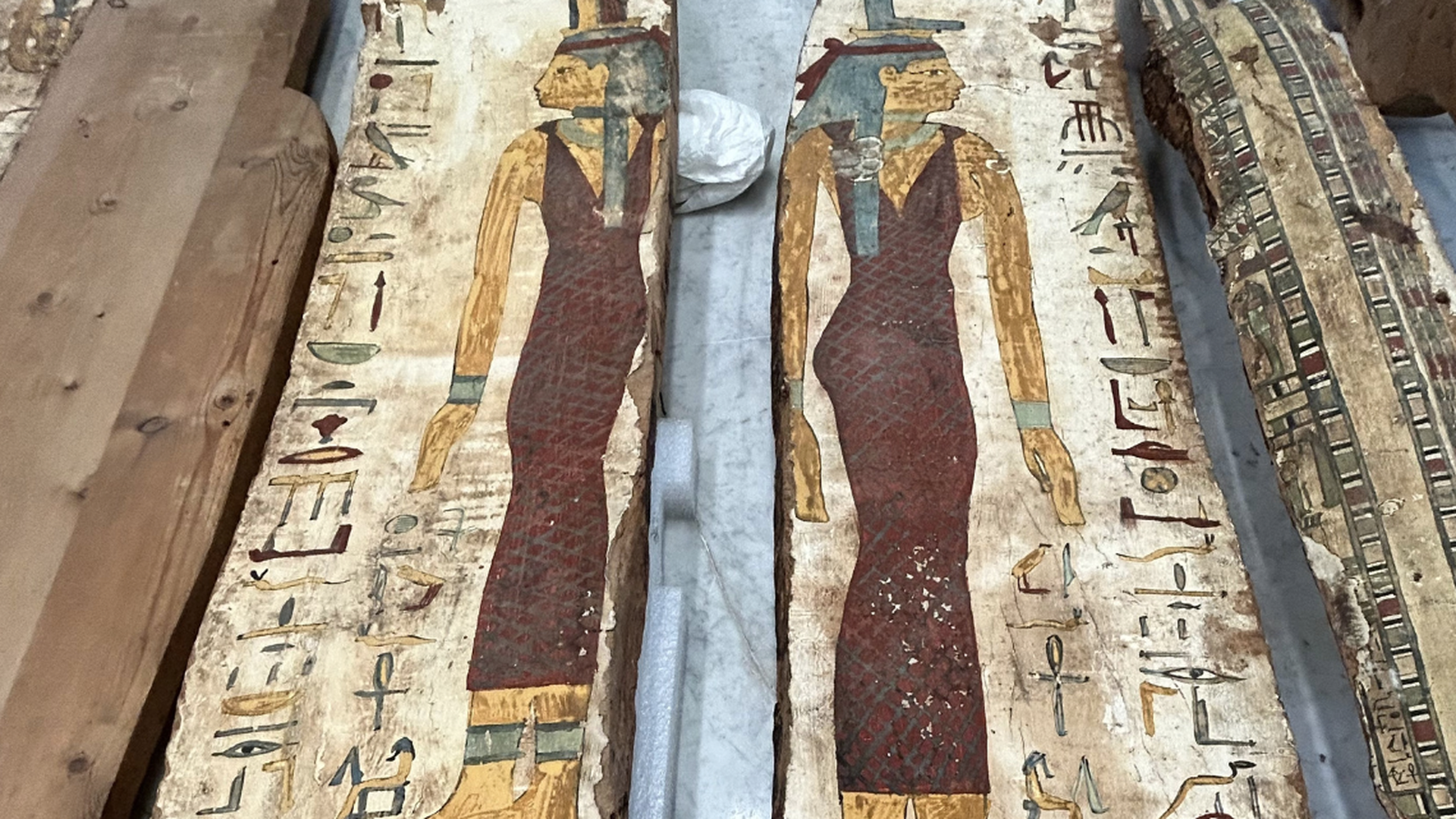
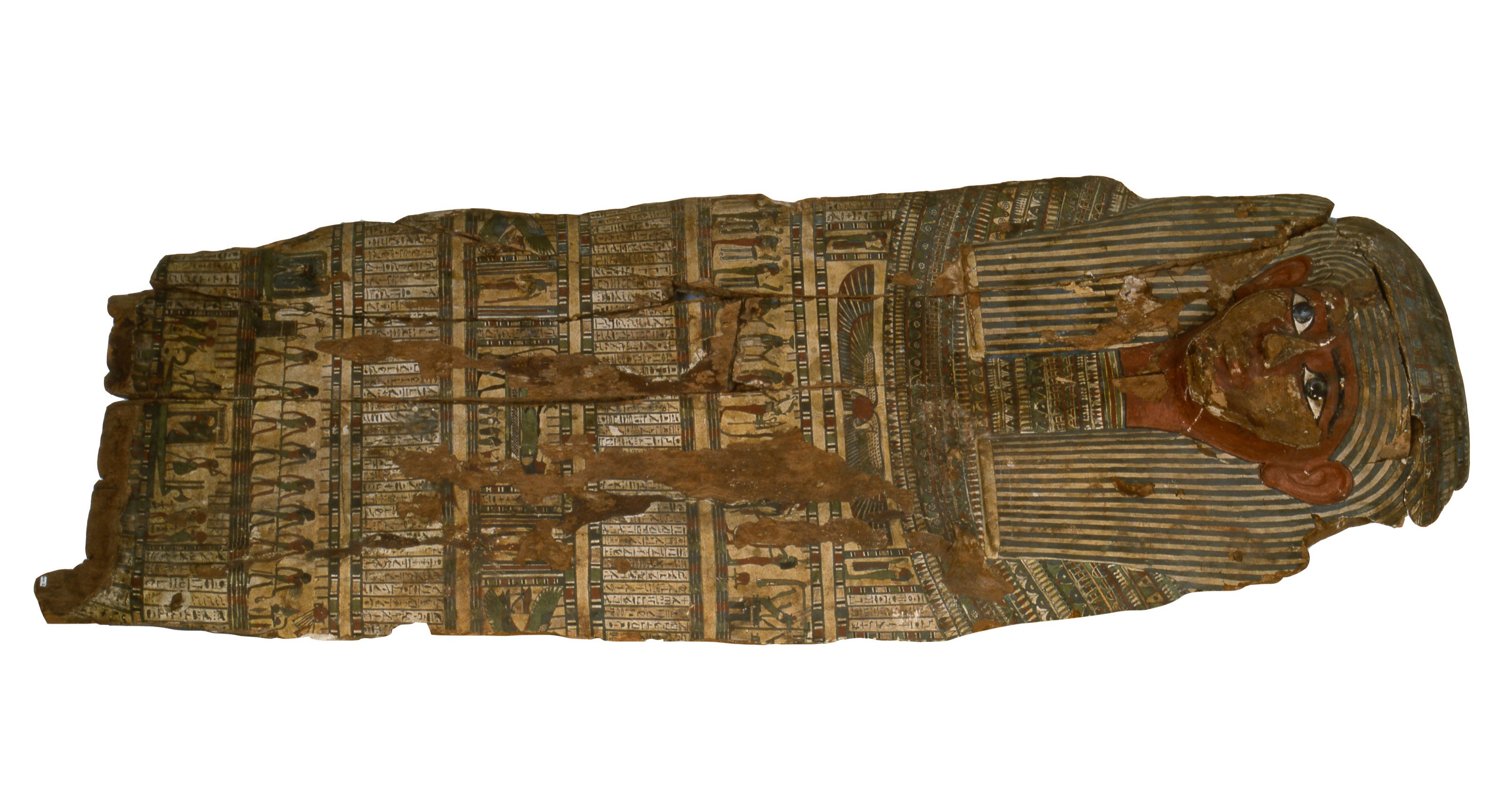
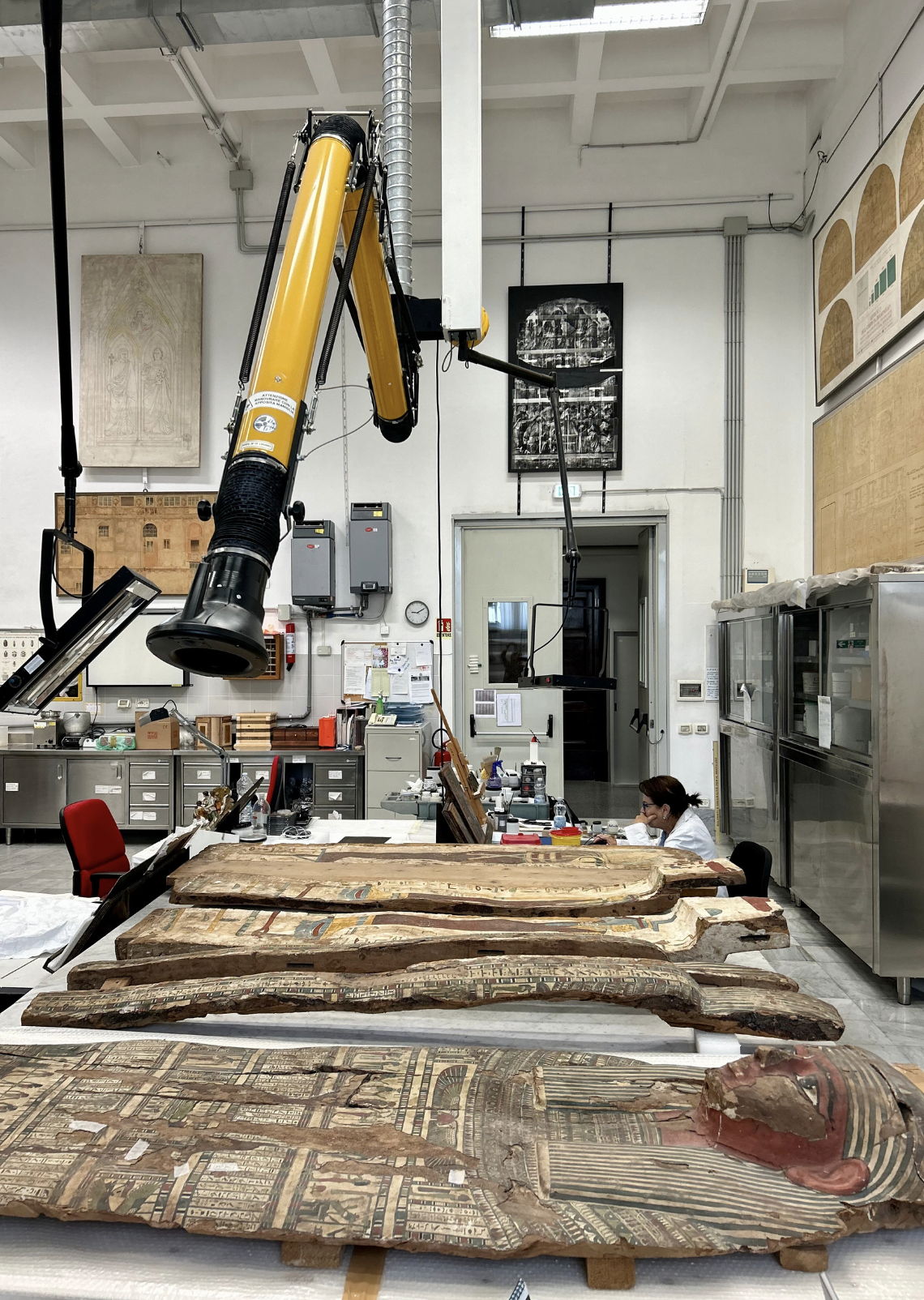
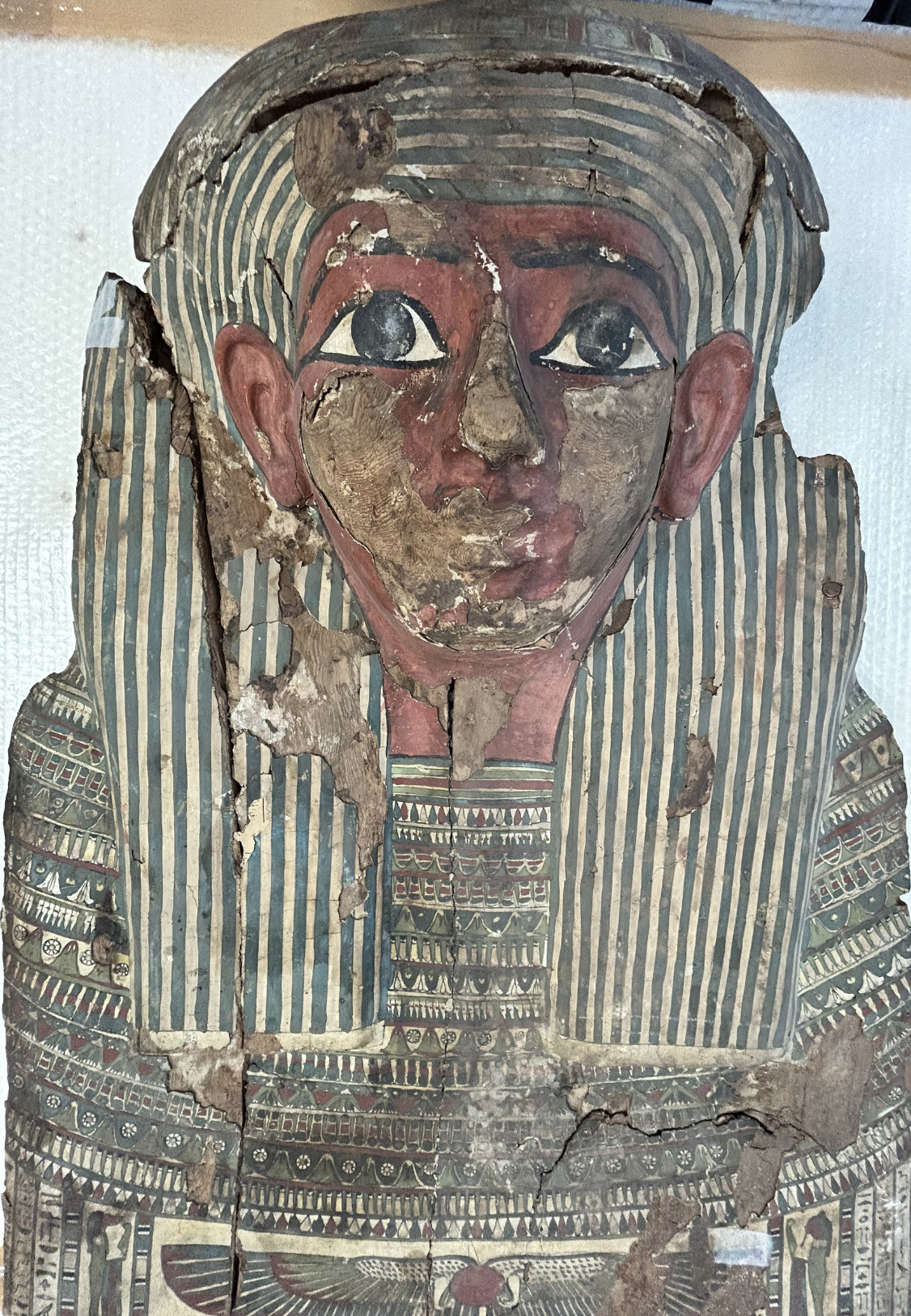
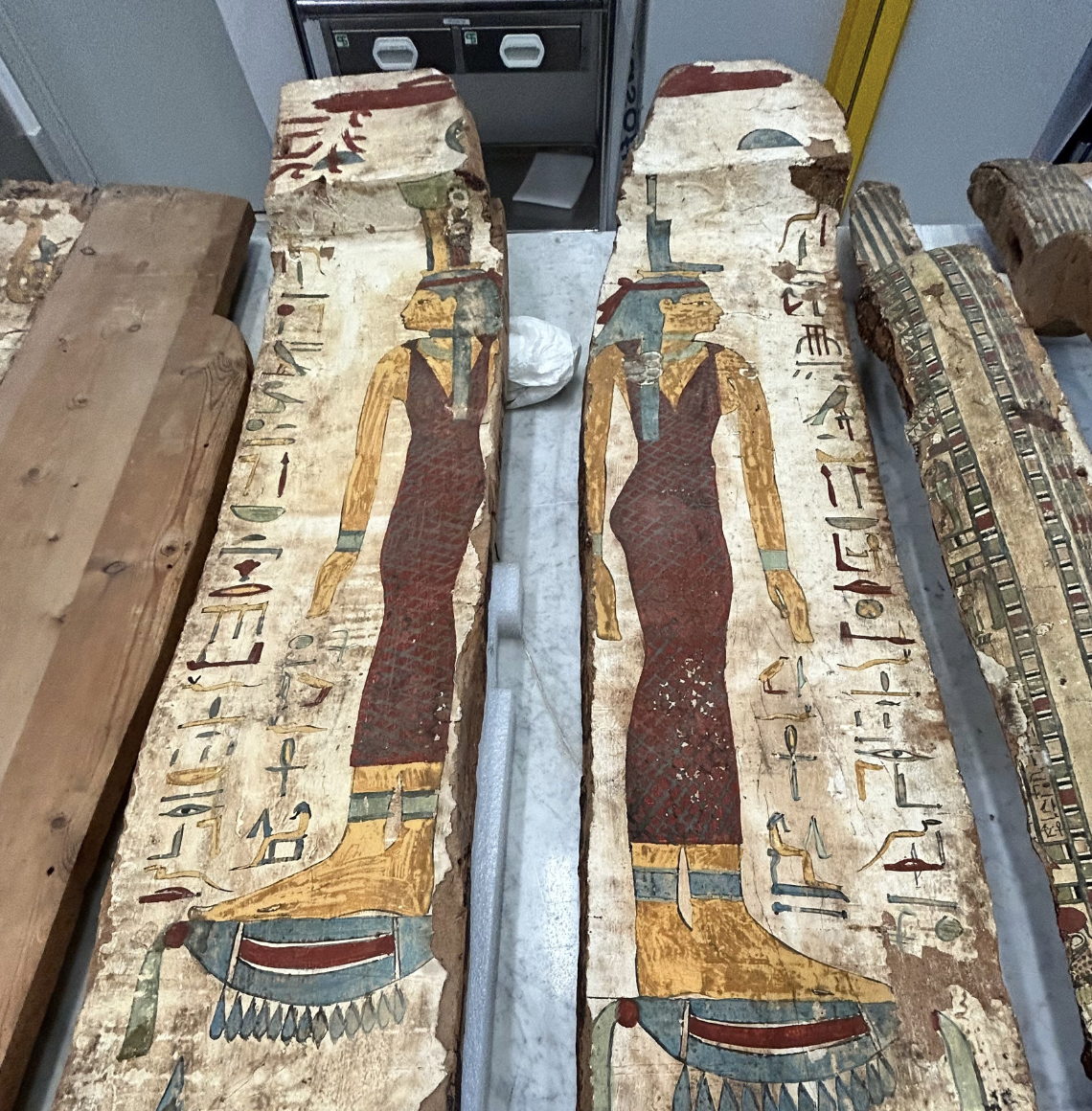
The sarcophagus consists of six fragments. Its restoration and study are part of the Vatican Coffin Project, the study of polychrome Egyptian coffins, initiated in 2008 by the Egyptian Antiquities Department in collaboration with the Cabinet for Applied Scientific Research in Cultural Heritage and many other important institutions (Musée du Louvre, Museo Egizio in Turin, Rijksmuseum van Oudheden in Leiden, the C2RMF in Paris, Centro Conservazione e Restauro La Venaria Reale in Turin, Xylodata in Paris). Further studies will analyze the construction and painting technique, identify the wood species, and compare this data with those already acquired by the Project. Morphometric investigations will allow, where possible, the reassembling of the different elements of the coffin and the reconstruction of missing parts, if necessary. The decoration dates the coffin to the XXVI Dynasty (664-525 B.C.), a time of great splendor following the long period of crisis at the beginning of the first millennium B.C.
TOTAL COST: € 47.598,41 ($ 46.522,69)
Restoration Procedures
-
Study, consolidate, and fix the wooden elements that compose the assembly with an appropriate support structure designed together with the Scientific Laboratory
-
Remove from the surface the inconsistent, adhering deposits, and old adhesives with appropriate mixtures and application methods
-
Filling of gaps for both conservation and aesthetic purposes with appropriate materials compatible with the fragile wood fibers
-
Aesthetic reintegration using tested watercolors
Detail
Inventory N°: D2067
Artist: Unknown
Date: XXVI Dynasty (664-525 B.C.)
Provenience: Egypt
Dimensions: n/a
Materials: Painted wood
Department:
Egyptian and Near Eastern AntiquitiesCurators:
Dr. Alessia Amentamuseum:
Gregorian Egyptian MuseumLaboratories:
Painting & WoodWishbook year: 2023
Wooden Sarcophagus - Restoration Update

Wooden Sarcophagus

Details
Adopted by: The California Chapter
Patrons: Ed and Mary Hall
Inventory: D2067
Artist: Unknown
Date: XXVI Dynasty (664-525 B.C.)
Provenience: Egypt
Classification: Sarcophagus
Materials: Painted wood
Dimensions: n/a
Museum: Gregorian Egyptian Museum
Department: Egyptian and Near Eastern Antiquities
Laboratory: Painting & Wood
Wishbook year: 2023
Description
HIGH PRIORITY PROJECT
The sarcophagus consists of six fragments. Its restoration and study are part of the Vatican Coffin Project, the study of polychrome Egyptian coffins, initiated in 2008 by the Egyptian Antiquities Department in collaboration with the Cabinet for Applied Scientific Research in Cultural Heritage and many other important institutions (Musée du Louvre, Museo Egizio in Turin, Rijksmuseum van Oudheden in Leiden, the C2RMF in Paris, Centro Conservazione e Restauro La Venaria Reale in Turin, Xylodata in Paris). Further studies will analyze the construction and painting technique, identify the wood species, and compare this data with those already acquired by the Project. Morphometric investigations will allow, where possible, the reassembling of the different elements of the coffin and the reconstruction of missing parts, if necessary. The decoration dates the coffin to the XXVI Dynasty (664-525 B.C.), a time of great splendor following the long period of crisis at the beginning of the first millennium B.C.
TOTAL COST: € 47.598,41 ($ 46.522,69)
Restoration Procedures
-
Study, consolidate, and fix the wooden elements that compose the assembly with an appropriate support structure designed together with the Scientific Laboratory
-
Remove from the surface the inconsistent, adhering deposits, and old adhesives with appropriate mixtures and application methods
-
Filling of gaps for both conservation and aesthetic purposes with appropriate materials compatible with the fragile wood fibers
-
Aesthetic reintegration using tested watercolors
Media
Wooden Sarcophagus
Restorations Update: Wooden Sarcophagus - Restoration Update
© 2026 Patrons of the Arts
in the Vatican Museums
Vatican Museums V-00120,
Vatican City State (Europe)
+39 0669864499