

Rospigliosi Triptych
Artist: Bartolomeo di Tommaso da Foligno
Date: 1450
Classification: Painting
Dimensions: 284 x 234 cm
Materials: Tempera and gilt on poplar wood panels
Adopted By: The New England Chapter
Description
HIGH PRIORITY PROJECT
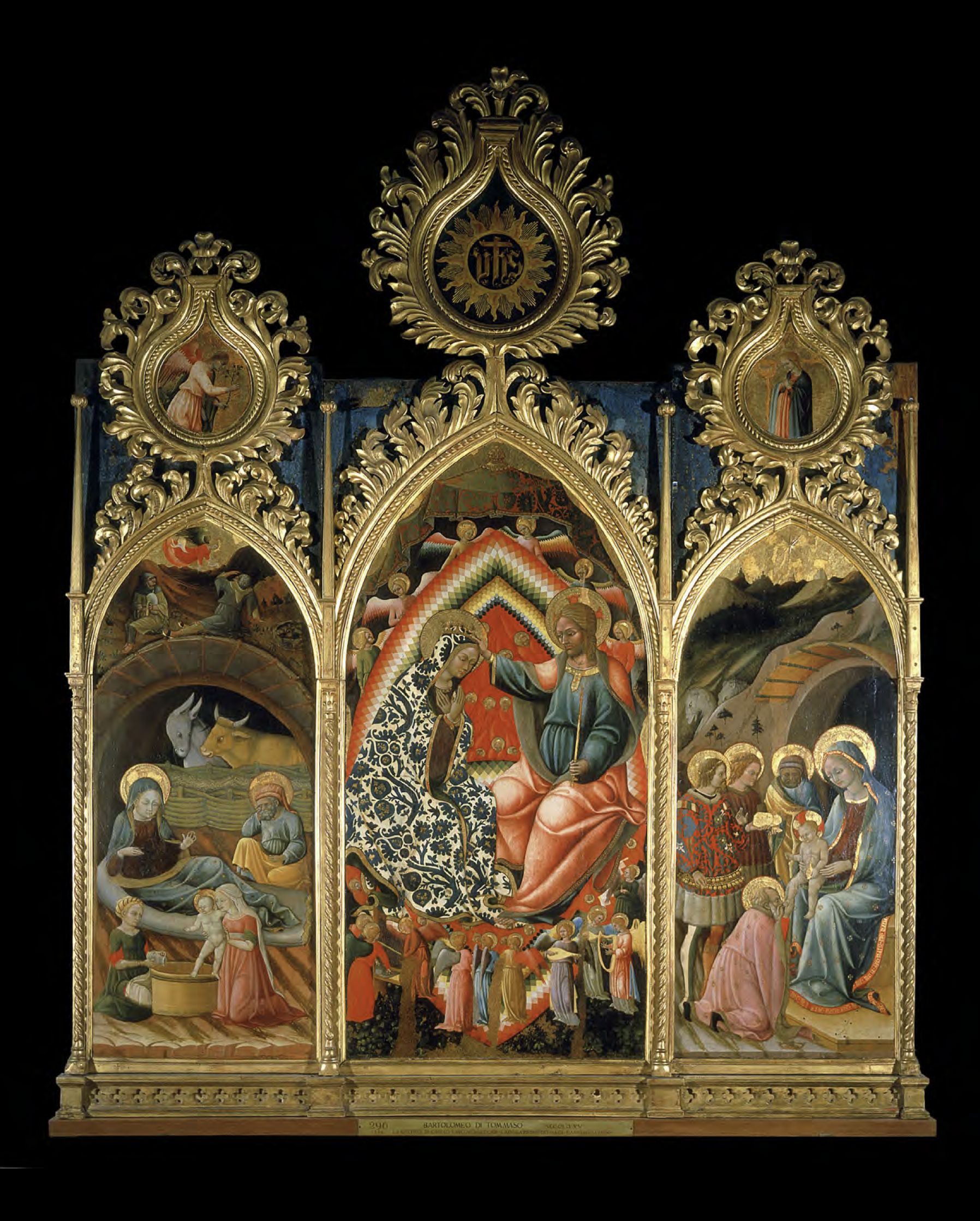
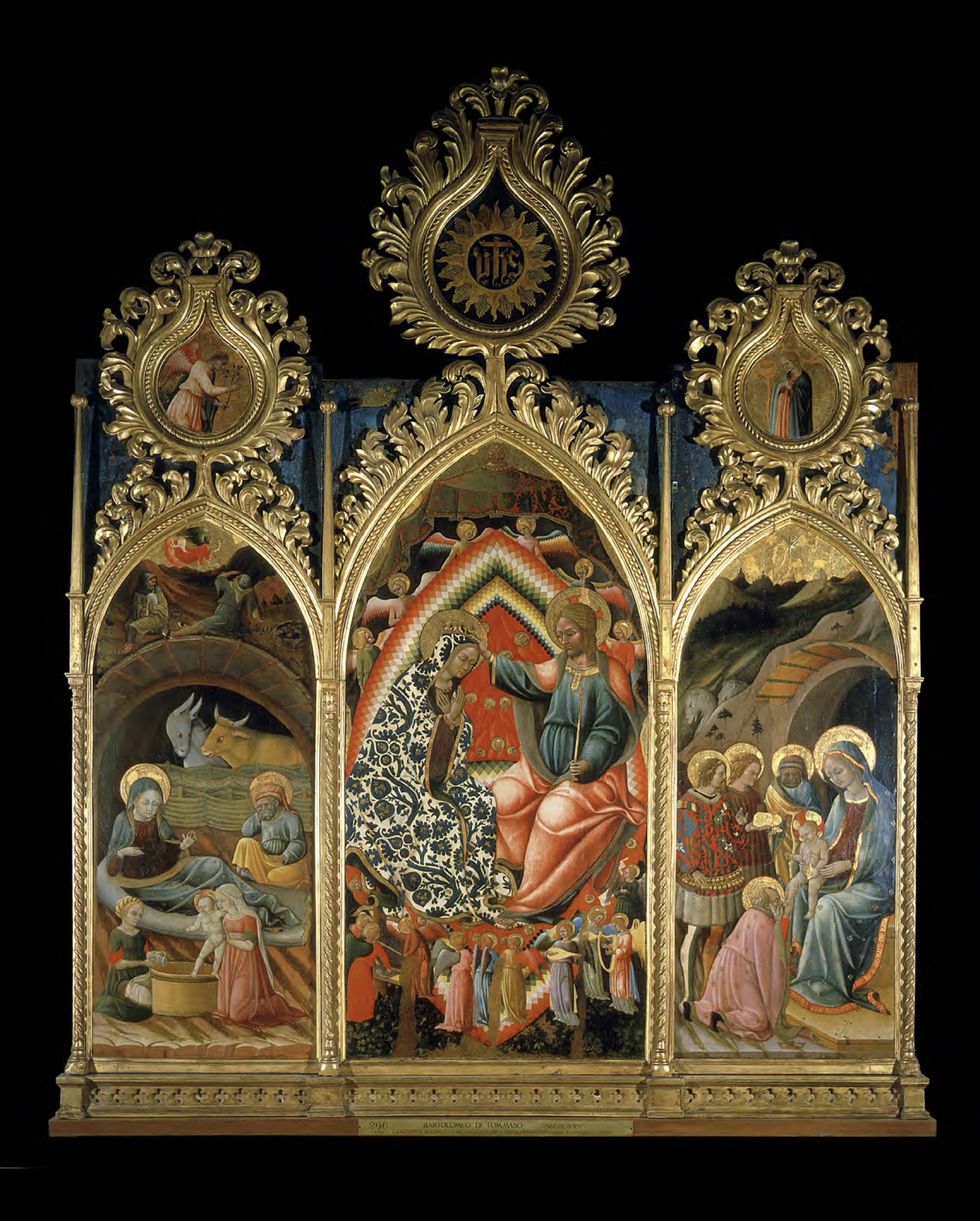
Formerly in the collegiate church of San Venanzio in Camerino, Marche, and donated by Prince Altieri to Pope Leo XIII in 1888, the work consists of three panels executed in tempera and fitted with a richly carved and gilded frame, featuring the trigram IHS (center), the Announcing Angel (left), and the Virgin Annunciate (right). The triptych’s central panel depicts the Coronation of the Virgin, characterized by a highly theatrical polychrome mandorla and musician angels at the bottom. The two side panels illustrate the Nativity of Jesus (left) and the Adoration of the Magi (right), both scenes marked by a convincing and intimate naturalism. The author of the painting is Bartolomeo di Tommaso da Foligno, an eclectic and original painter deeply influenced by the manner of Gentile da Fabriano and the Sienese Giovanni di Paolo.
TOTAL COST: € 50.744,80 ($ 54,225.89)
State of Preservation
Since its execution, the painted panels have always demonstrated stability problems and causal lifting of the preparatory and pictorial film. Also, due to recent periods of particularly low ambient relative humidity, there are numerous and very serious lifts of the preparatory and pictorial film that have worsened its overall condition requiring several types of urgent interventions.
Restoration Procedures
- Anoxic treatment and consolidation of wood (panels and frames)
- Consolidation of the painted surface
- Revision of the rehabilitation of the wooden support and parquetry
- Revision and modification of the attachment system of the framing elements on the panels
- Identification of the insulation system of the back of the support to avoid environmental interactions
- Revision of the filling of the gaps and pictorial reintegration with watercolor and varnish colors that correspond to the gaps in the raised or missing parts, and a final varnish
Detail
Adopted By:
The New England ChapterInventory N°: 40296
Artist: Bartolomeo di Tommaso da Foligno
Date: 1450
Dimensions: 284 x 234 cm
Materials: Tempera and gilt on poplar wood panels
Wishbook year: 2024
Rospigliosi Triptych - Final Restoration Report
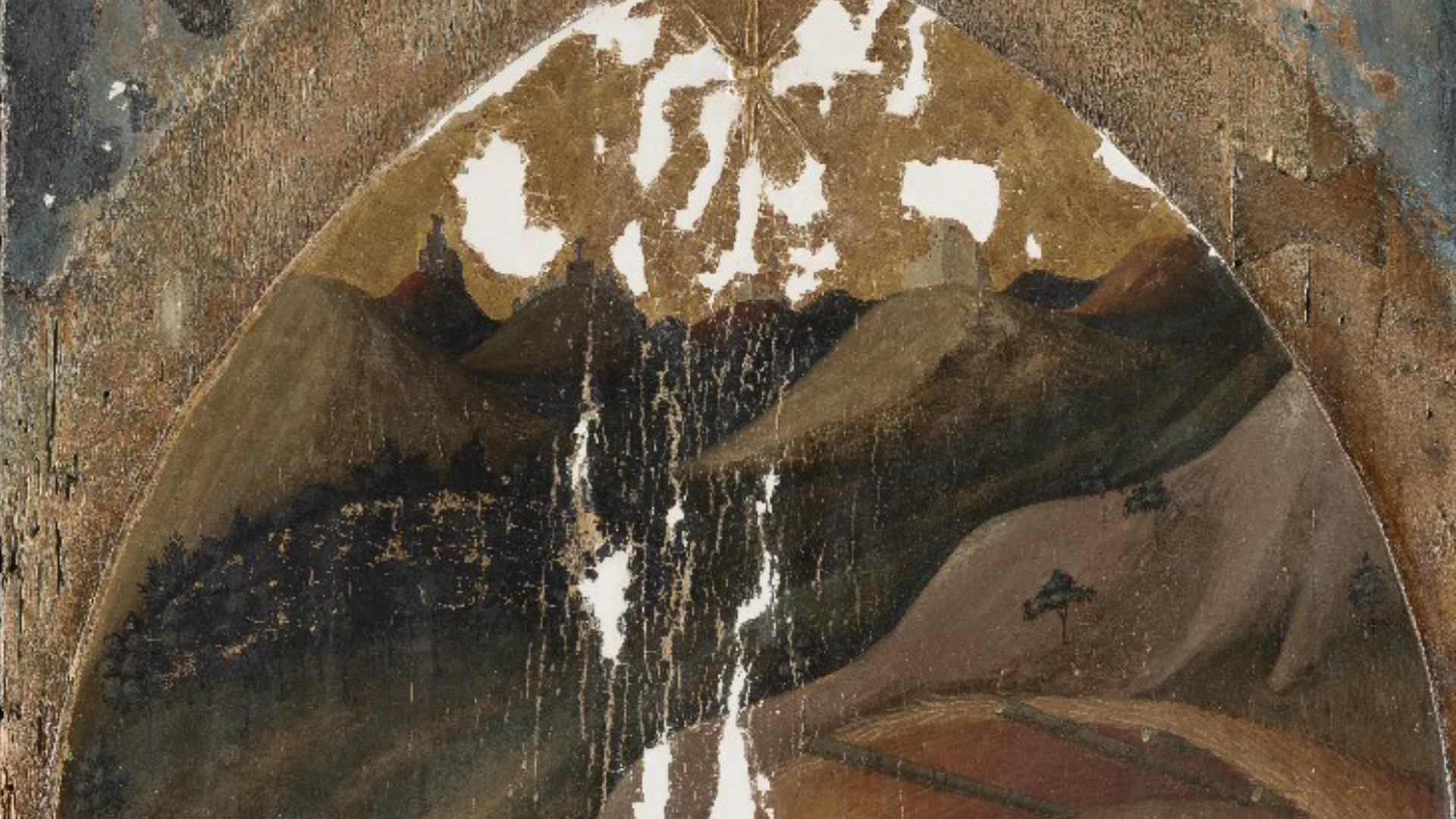
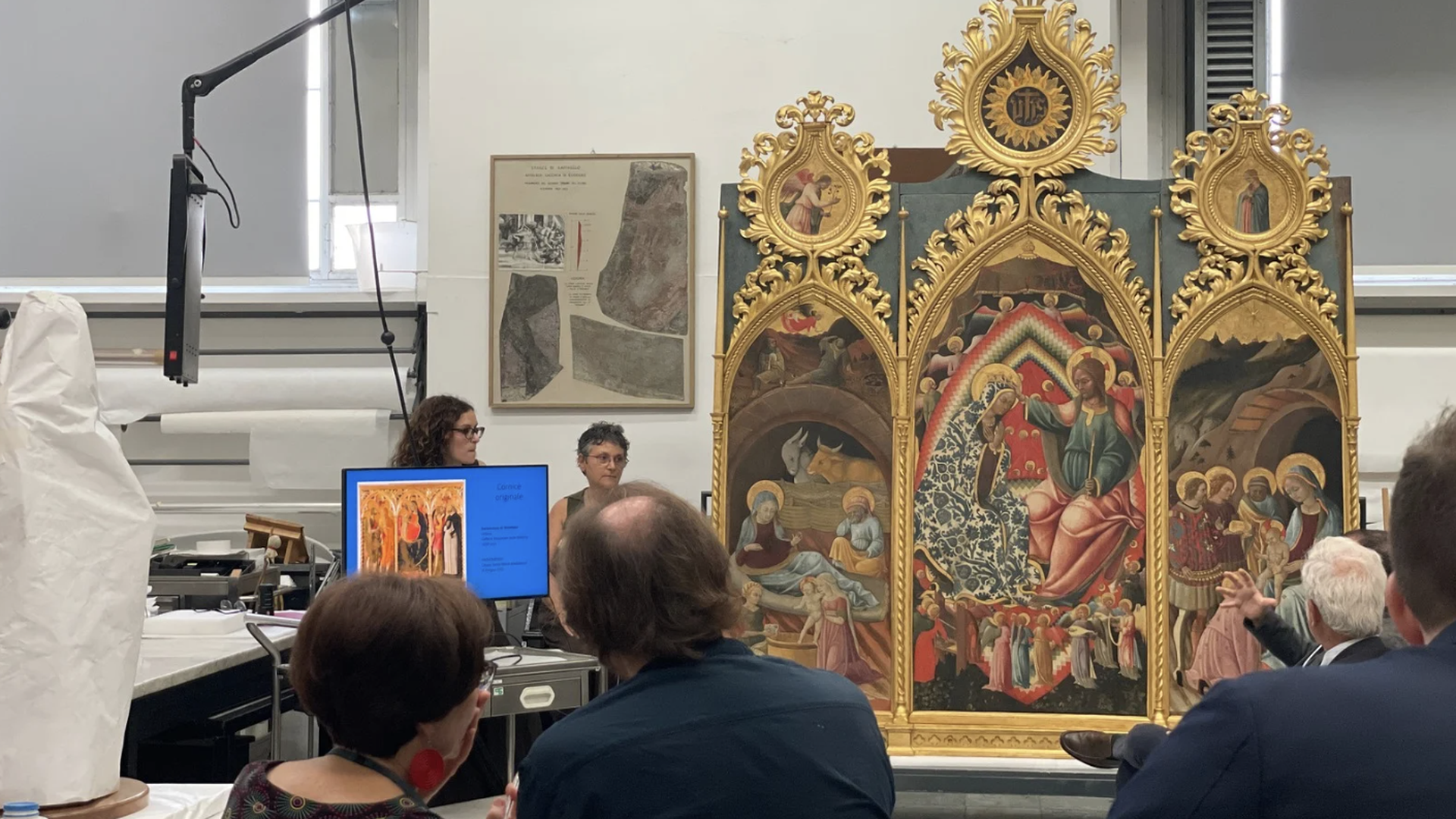
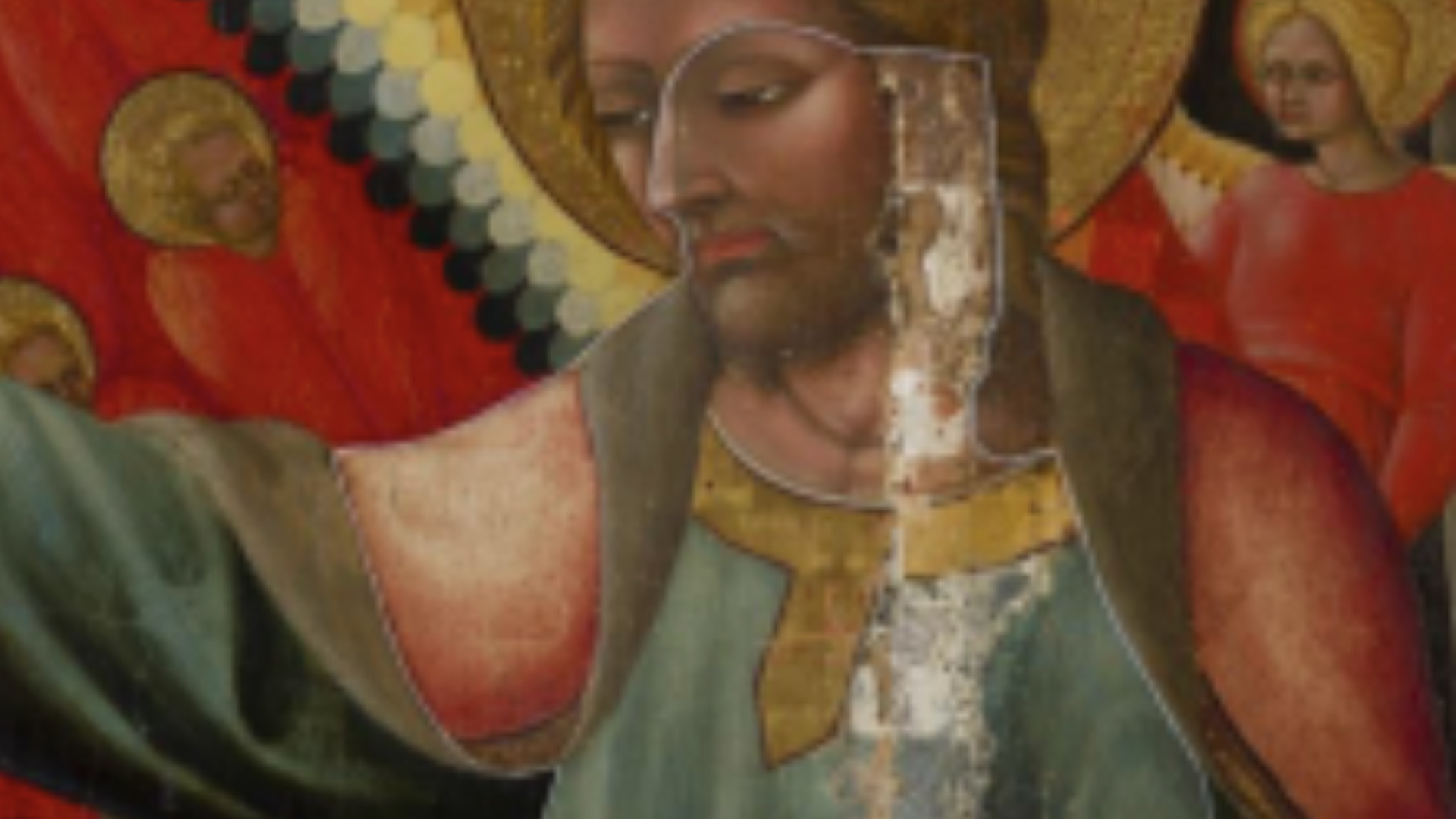
The restoration of the Rospigliosi Triptych has been completed.
The final restoration meeting took place on July 22, during which the results of the historical and artistic research were presented, along with an illustration of the restoration details.
The pictorial reintegration was carried out expertly to fill in the numerous and extensive gaps, carefully following the original drafts. Every tiny detail was useful in reconstructing the missing parts, and every decision regarding the reintegration criteria was carefully evaluated and performed according to criteria that aimed at maintaining the integrity of the image.
The images show the portions reconstructed by the restorer using vertical hatching, and the gaps no longer interfere with the scenes. However, the gaps remain identifiable so as not to confuse them with the artist's refined brushstrokes. After the final varnishing, the restorer reassembled the paintings with the frame elements.
The restoration process also enabled the study of the painting's technique, revealing it to be highly valuable and sophisticated. This information could be important for increasing knowledge of the 15th-century panel paintings' techniques.
In these paintings, Bartolomeo di Tommaso da Foligno demonstrates his mastery of highly intricate techniques and his meticulous attention to detail.
Historical and artistic research is ongoing and is leading to significant discoveries, including details that emerged during the restoration. A new interpretation of every detail, even those preciously overlooked, will help to partially reconstruct the original history of the trypthic.
Rospigliosi Triptych - Third Restoration Update
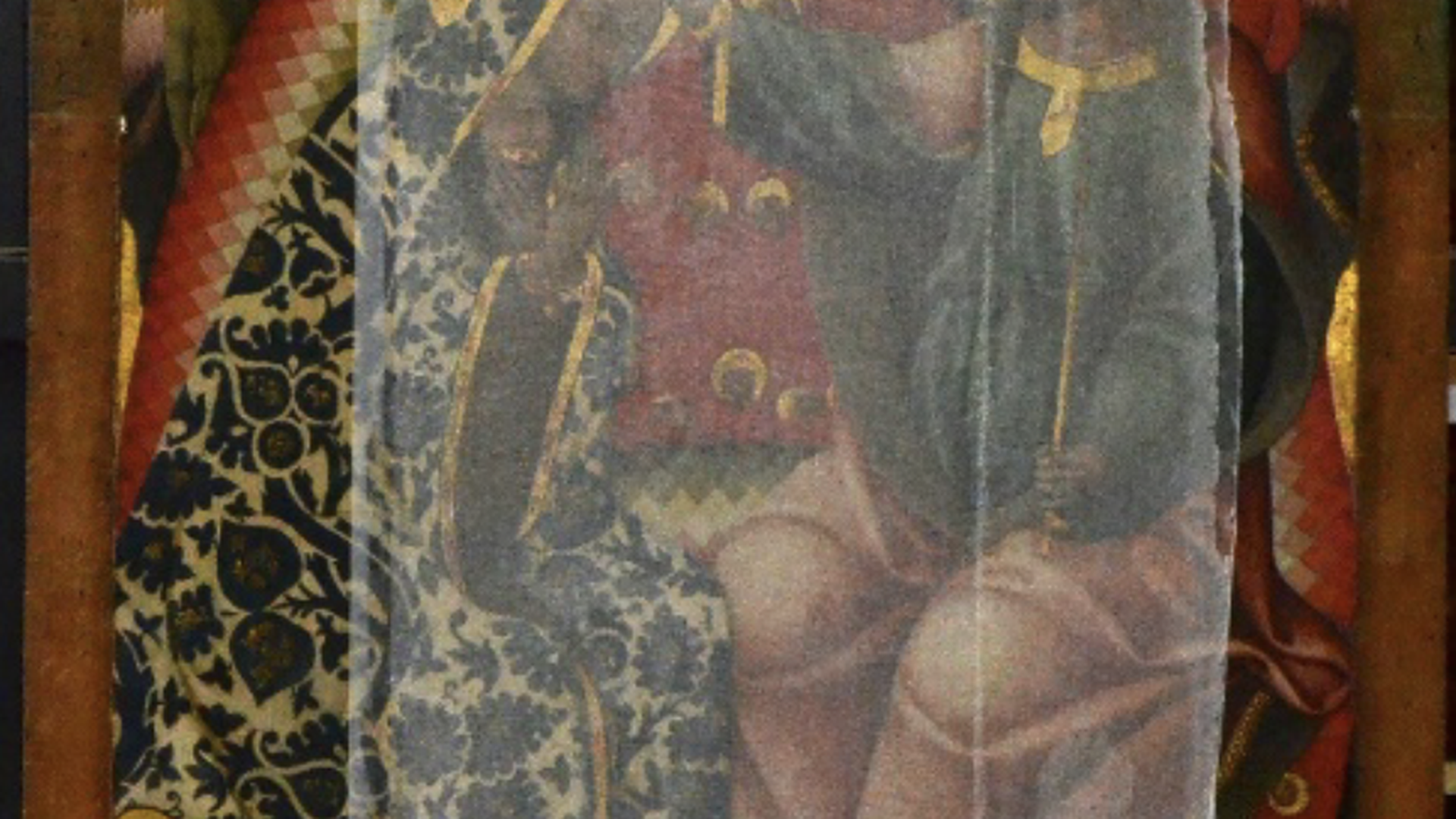
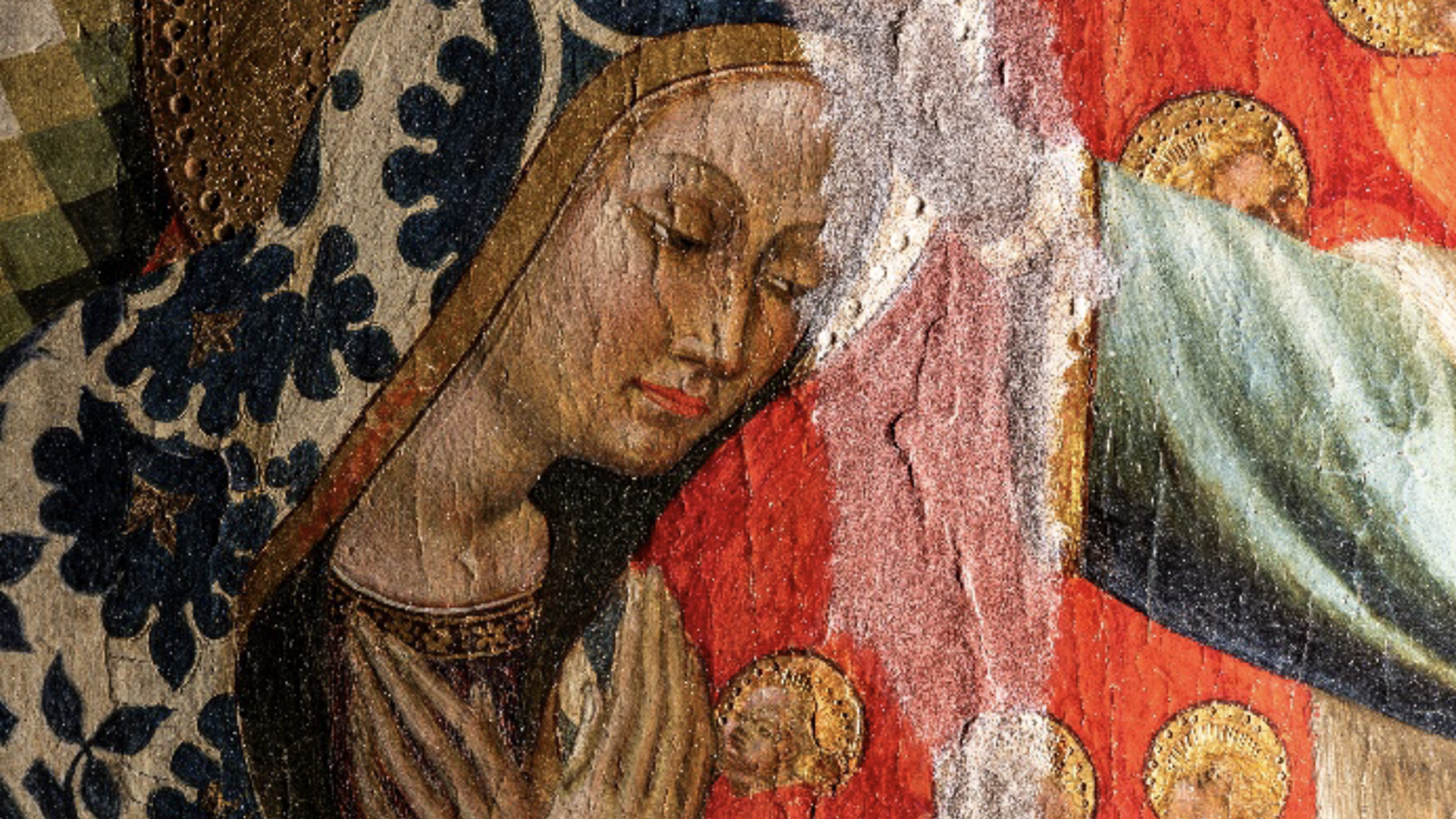
On the two side panels, the Nativity and the Adoration of the Magi, work is progressing on cleaning the painted surfaces. Work has also begun on the central panel depicting the Coronation of the Virgin.
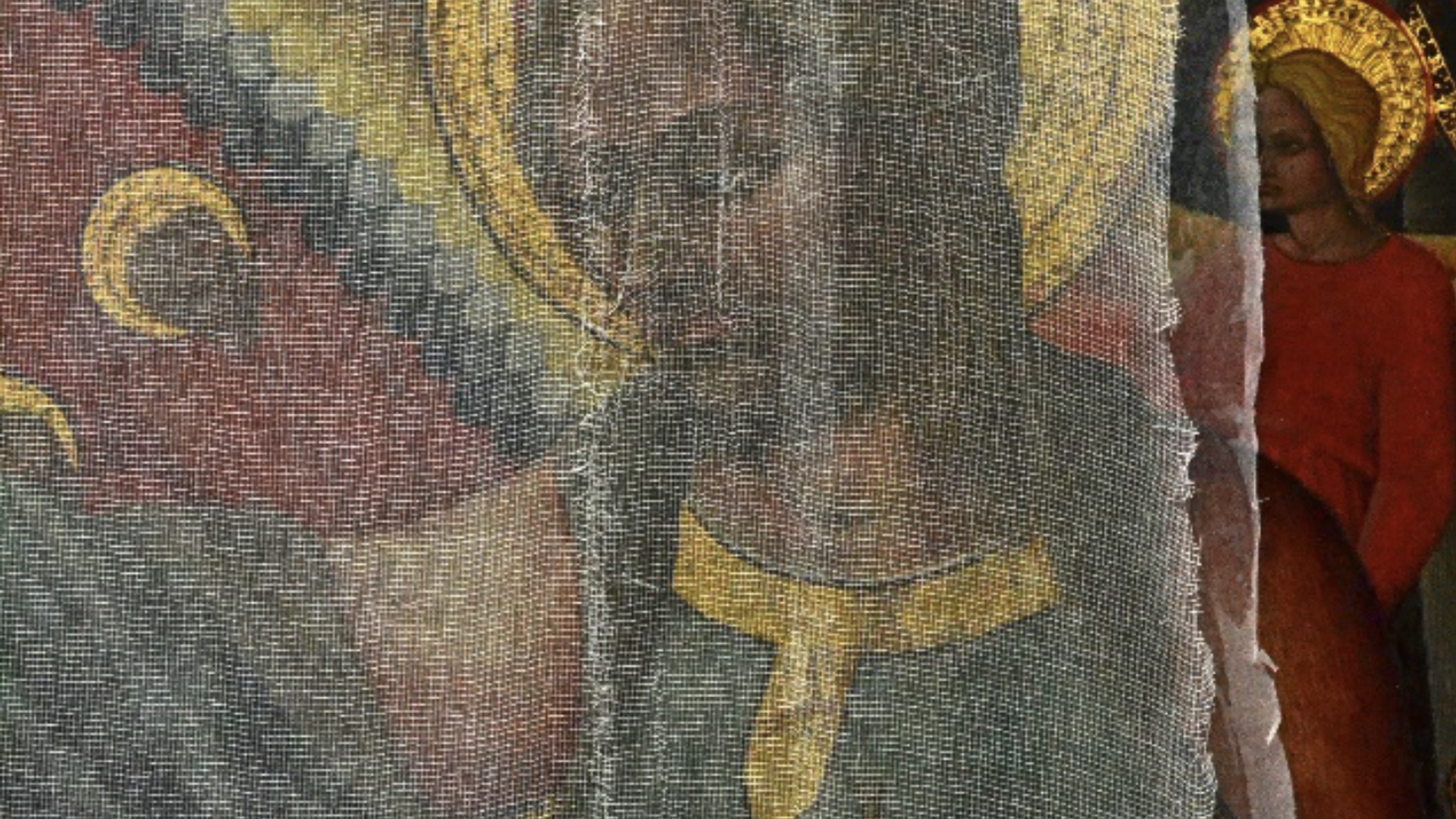
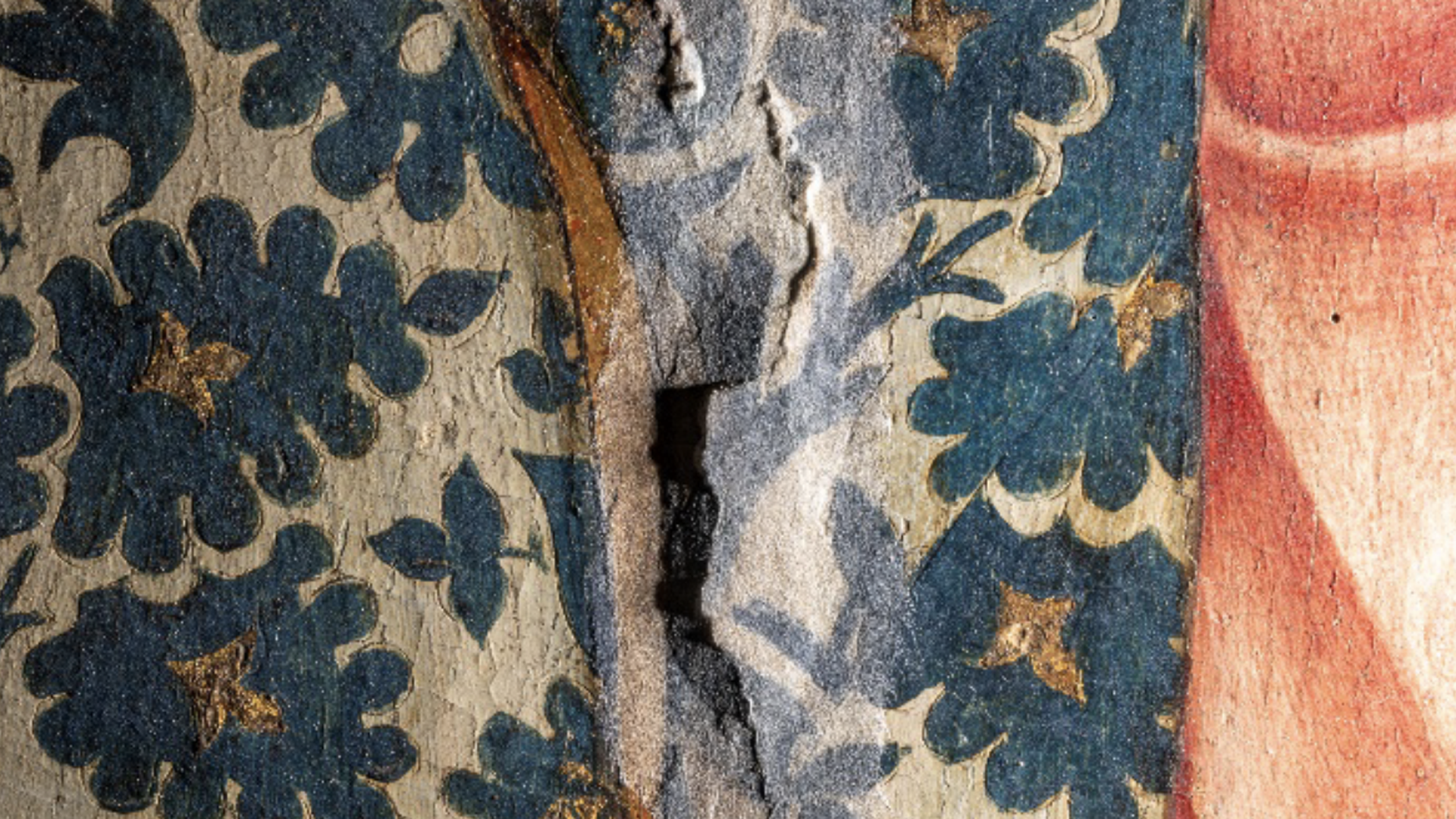
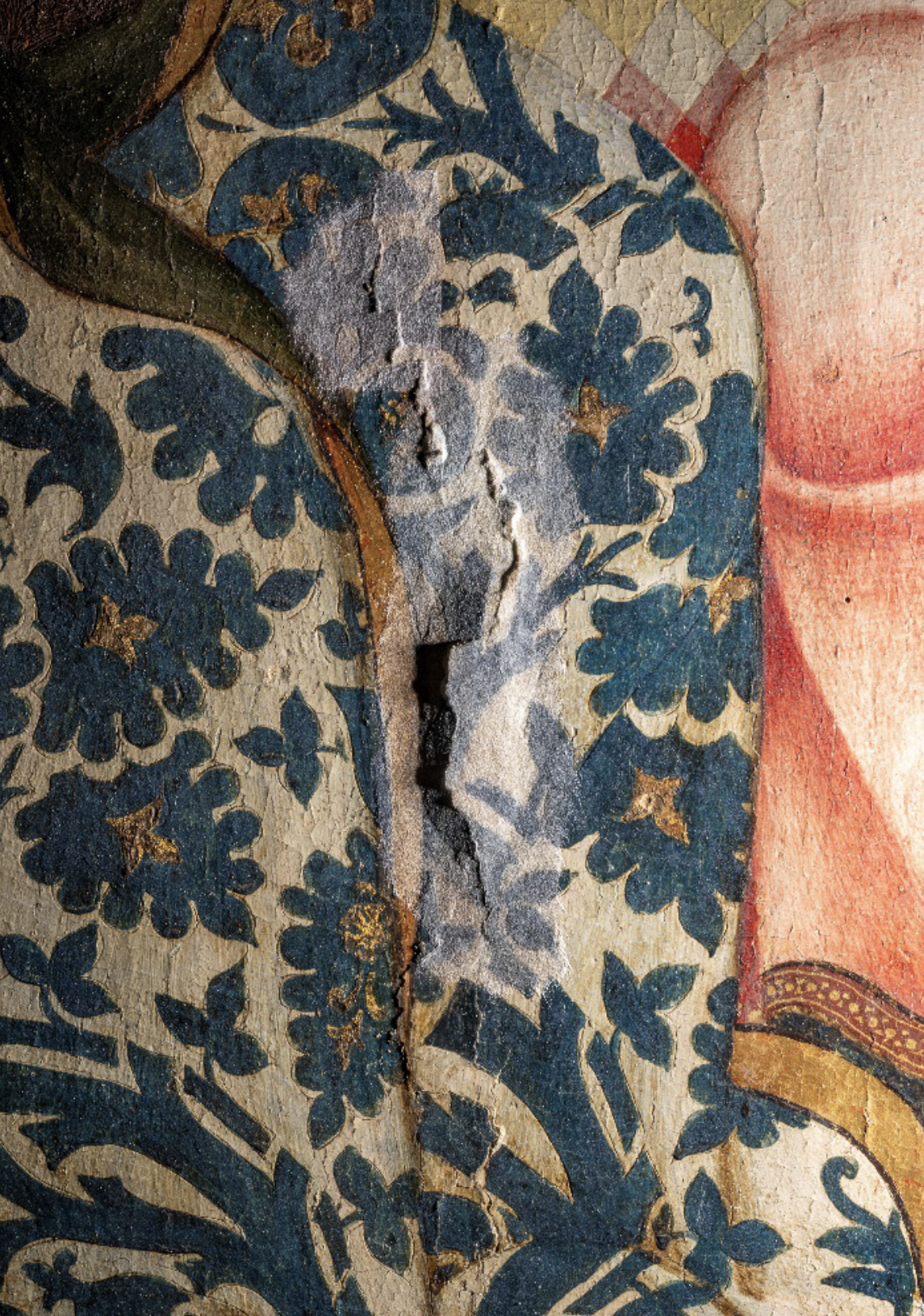
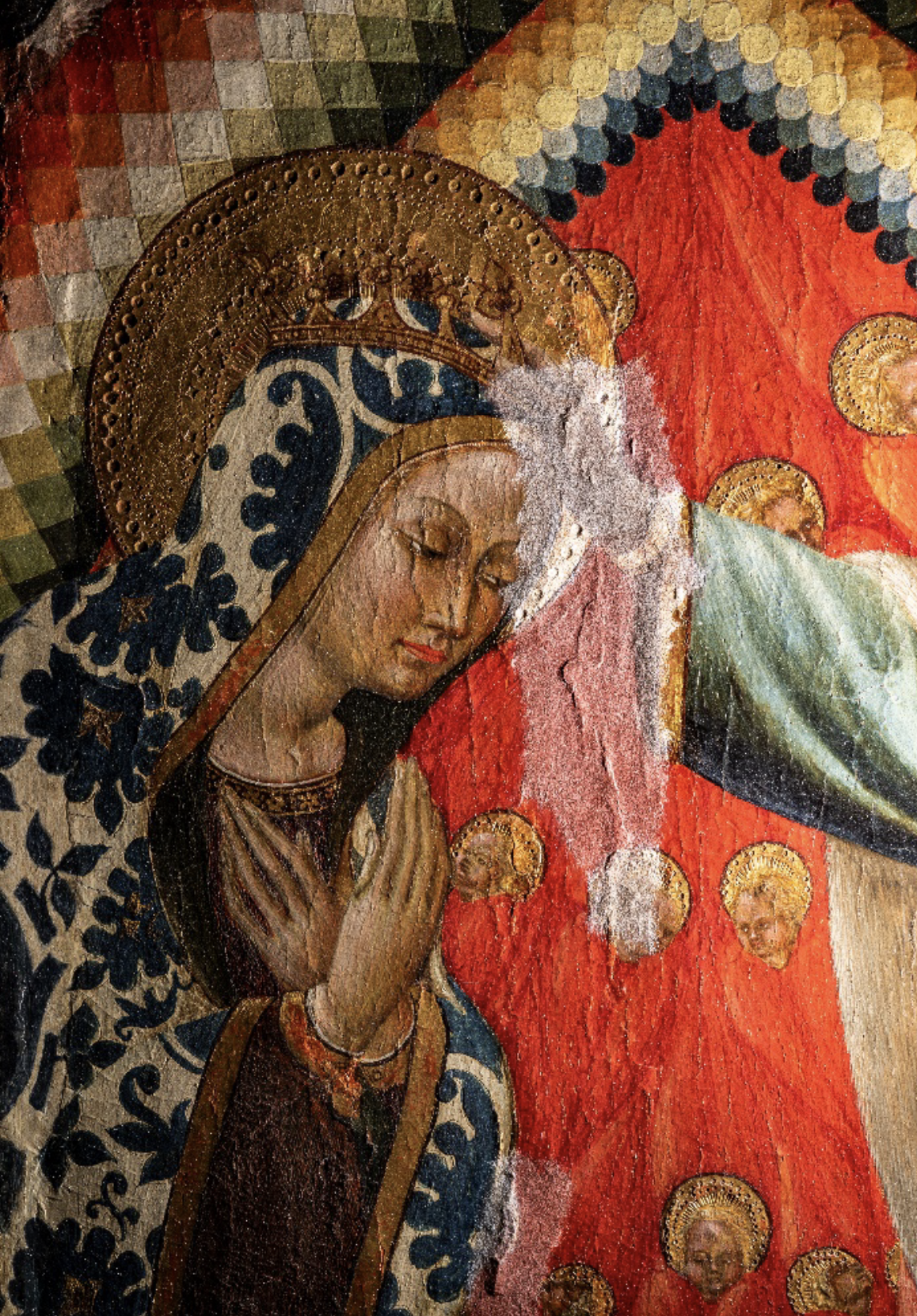
Restorers removed oxidized varnish, the reintegration of images carried out in previous interventions, and the stucco that fills the large and numerous gaps. This intervention has revealed a very complex situation, as multiple layers of stucco appeared underneath the more recent ones. In some cases, restorers detected three or four layers of stucco applied at different times made of various materials; their heterogeneous nature and consistency created a very uneven substrate that weakened the painted surface.
This condition explains the frequent and numerous surface elevations, partly due to structural movements and different behavior of the materials that compose the mortar. Given this situation, restorers removed all inappropriate mortar from this complex and uneven structure. This operation also made it possible to recover small but numerous fragments of painted and gilded surfaces covered by the overflowing stucco.
In some areas, the camouflage canvas applied by the artist to the junction of the planks to reinforce the support structure before the painting also comes to light, allowing a better study of the execution technique. Deep gaps will then be filled with more suitable materials, strengthening the pictorial layers and allowing for better pictorial reintegration.
Simultaneously to the restoration work, the curator in charge of this piece confronted scholars outside the Vatican Museums who are deepening their studies of Bartolomeo di Tommaso da Foligno. Such a study will help reconstruct some information about the history of our triptych. The photographs below show the cleaning performed on the central panel, lacunar areas, and the camouflage canvas.
The photographic laboratory will keep documenting the restoration procedures with photographs and videos.
Rospigliosi Triptych - Second Restoration Update
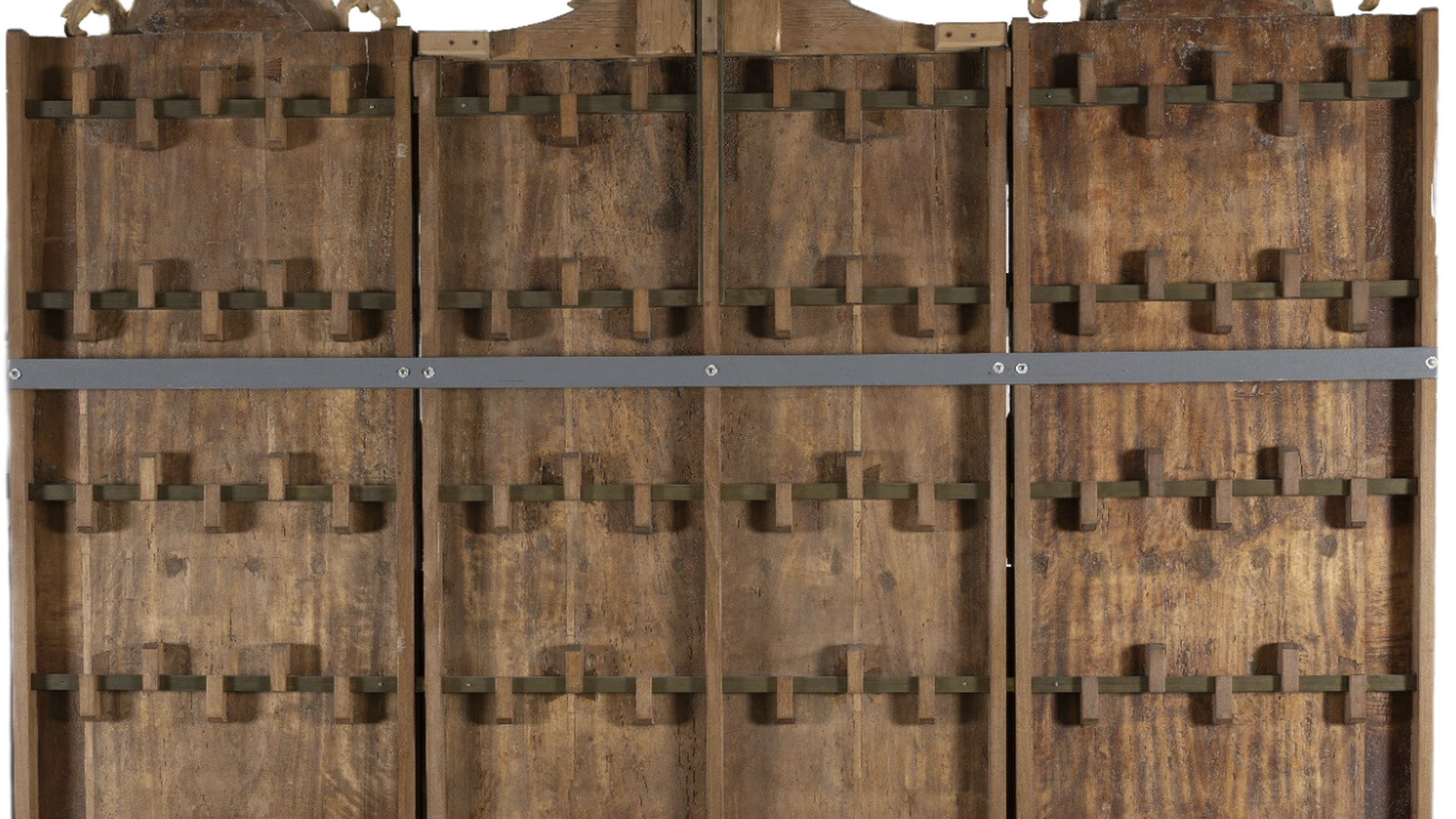
Restoration is proceeding on all the elements that compose the triptych: painted panels and frame. The restorers have completed the wooden restoration and the revision of the parquet on the central panel ('Coronation of the Virgin'). On the reverse of the right panel, some details of the work carried out on all the panels can be seen.
The cleaning of the left panel ("Birth of Jesus") continues, while the cleaning of the right panel ("Adoration of the Magi") has also begun. The removal of the oxidized varnish allows the splendid colors of the paintings to be restored and, at the same time, the correct depth of perspective planes and minute details to be appreciated again.
The removal of old reintegrations will allow the aesthetic presentation to be revised with more appropriate solutions.
The restoration of the central panel will begin as soon as possible by removing the protective varnish with tissue paper and cleaning the painted surface.
Each phase of the intervention is documented by photographic and video footage taken by the Photographic Laboratory, both for restoration and scientific investigations.
Rospigliosi Triptych - Restoration Update
Following the decision to proceed with a full restoration, the Scientific Research Laboratory completed a campaign of scientific imaging studies in preparation for the restoration.
Once the scientific studies of each panel had been completed, work was carried out on the supports.
Restorers Massimo Alesi and Marco De Pillis have completed the restoration and revision of the parquet on the two side panels and have just begun the same work on the central panel.
Meanwhile, the cleaning of the first panel on the left ("The Nativity") has begun and is yielding good results.
The new observations on the cleaned areas are revealing new details and it has therefore been decided to carry out further scientific studies to clarify some of the details of the previous interventions and the technique used.
The cleaning of the right panel ("Adoration of the Magi") is also about to begin.
At the same time, Stefano Tombesi will continue with the restoration of all the elements of the frame
Each stage will be documented by photographs and videos taken by the photographic laboratory, both for the restoration work and for scientific research.

Rospigliosi Triptych
Details
Adopted by: The New England Chapter
Inventory: 40296
Artist: Bartolomeo di Tommaso da Foligno
Date: 1450
Classification: Painting
Materials: Tempera and gilt on poplar wood panels
Dimensions: 284 x 234 cm
Museum: Pinacoteca
Department: XV-XVI Century Art
Laboratory: Painting & Wood
Wishbook year: 2024
Description
HIGH PRIORITY PROJECT
Formerly in the collegiate church of San Venanzio in Camerino, Marche, and donated by Prince Altieri to Pope Leo XIII in 1888, the work consists of three panels executed in tempera and fitted with a richly carved and gilded frame, featuring the trigram IHS (center), the Announcing Angel (left), and the Virgin Annunciate (right). The triptych’s central panel depicts the Coronation of the Virgin, characterized by a highly theatrical polychrome mandorla and musician angels at the bottom. The two side panels illustrate the Nativity of Jesus (left) and the Adoration of the Magi (right), both scenes marked by a convincing and intimate naturalism. The author of the painting is Bartolomeo di Tommaso da Foligno, an eclectic and original painter deeply influenced by the manner of Gentile da Fabriano and the Sienese Giovanni di Paolo.
TOTAL COST: € 50.744,80 ($ 54,225.89)
State of Preservation
Since its execution, the painted panels have always demonstrated stability problems and causal lifting of the preparatory and pictorial film. Also, due to recent periods of particularly low ambient relative humidity, there are numerous and very serious lifts of the preparatory and pictorial film that have worsened its overall condition requiring several types of urgent interventions.
Restoration Procedures
- Anoxic treatment and consolidation of wood (panels and frames)
- Consolidation of the painted surface
- Revision of the rehabilitation of the wooden support and parquetry
- Revision and modification of the attachment system of the framing elements on the panels
- Identification of the insulation system of the back of the support to avoid environmental interactions
- Revision of the filling of the gaps and pictorial reintegration with watercolor and varnish colors that correspond to the gaps in the raised or missing parts, and a final varnish
Media
Rospigliosi Triptych
Restorations Update: Rospigliosi Triptych - Final Restoration Report
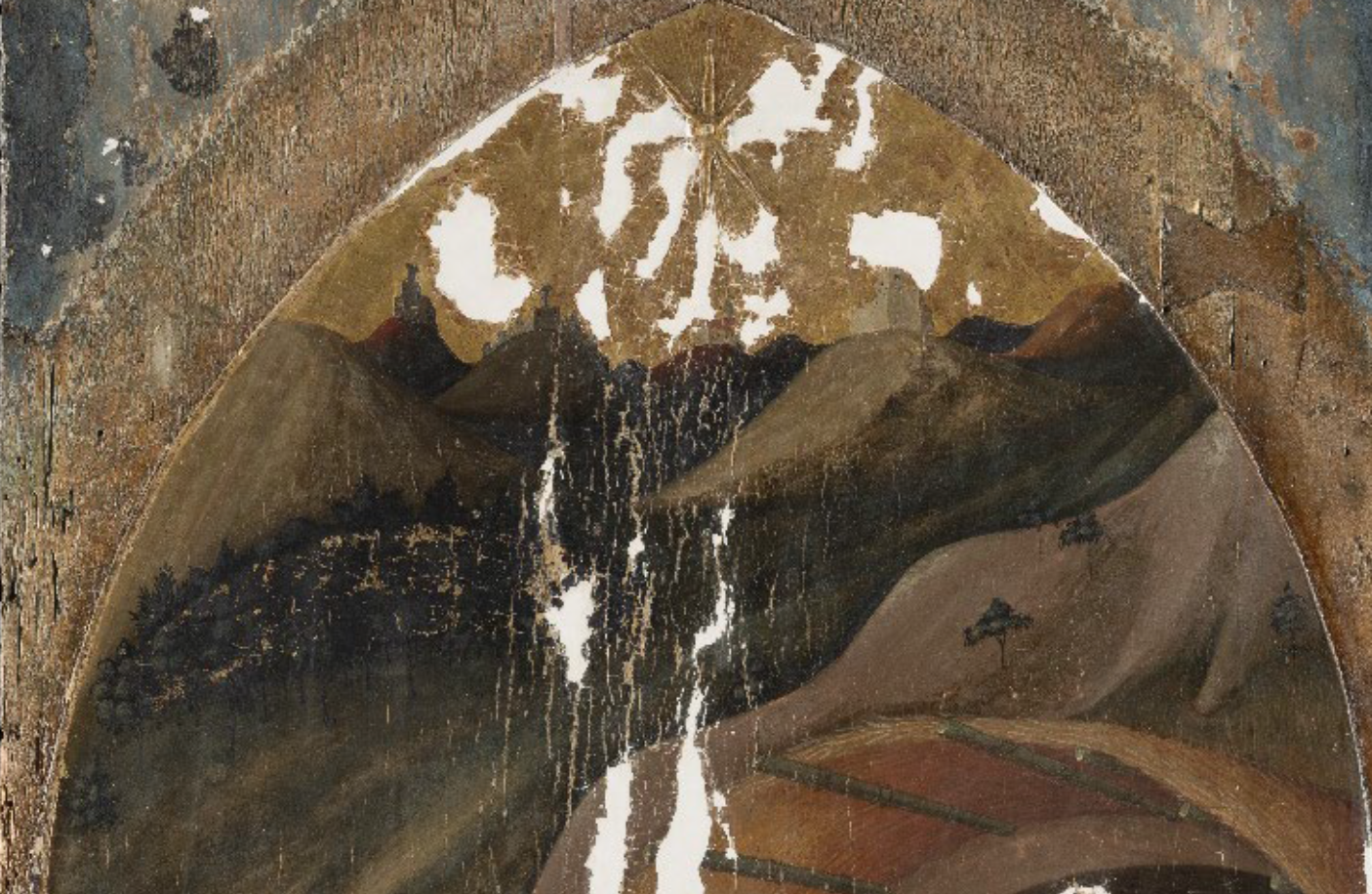
The restoration of the Rospigliosi Triptych has been completed.
The final restoration meeting took place on July 22, during which the results of the historical and artistic research were presented, along with an illustration of the restoration details.
The pictorial reintegration was carried out expertly to fill in the numerous and extensive gaps, carefully following the original drafts. Every tiny detail was useful in reconstructing the missing parts, and every decision regarding the reintegration criteria was carefully evaluated and performed according to criteria that aimed at maintaining the integrity of the image.
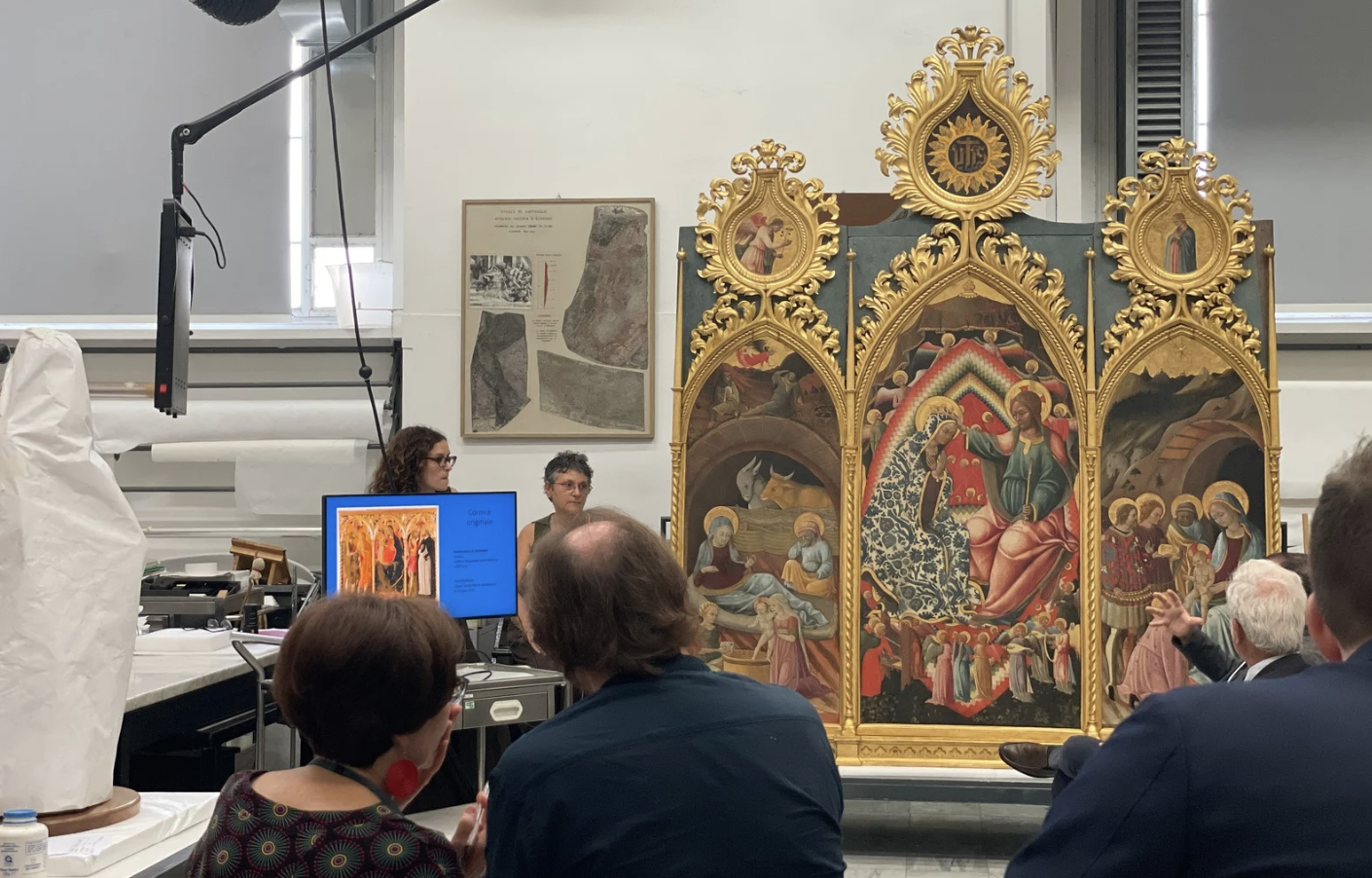
The images show the portions reconstructed by the restorer using vertical hatching, and the gaps no longer interfere with the scenes. However, the gaps remain identifiable so as not to confuse them with the artist's refined brushstrokes. After the final varnishing, the restorer reassembled the paintings with the frame elements.
The restoration process also enabled the study of the painting's technique, revealing it to be highly valuable and sophisticated. This information could be important for increasing knowledge of the 15th-century panel paintings' techniques.
In these paintings, Bartolomeo di Tommaso da Foligno demonstrates his mastery of highly intricate techniques and his meticulous attention to detail.
Historical and artistic research is ongoing and is leading to significant discoveries, including details that emerged during the restoration. A new interpretation of every detail, even those preciously overlooked, will help to partially reconstruct the original history of the trypthic.
Restorations Update: Rospigliosi Triptych - Third Restoration Update
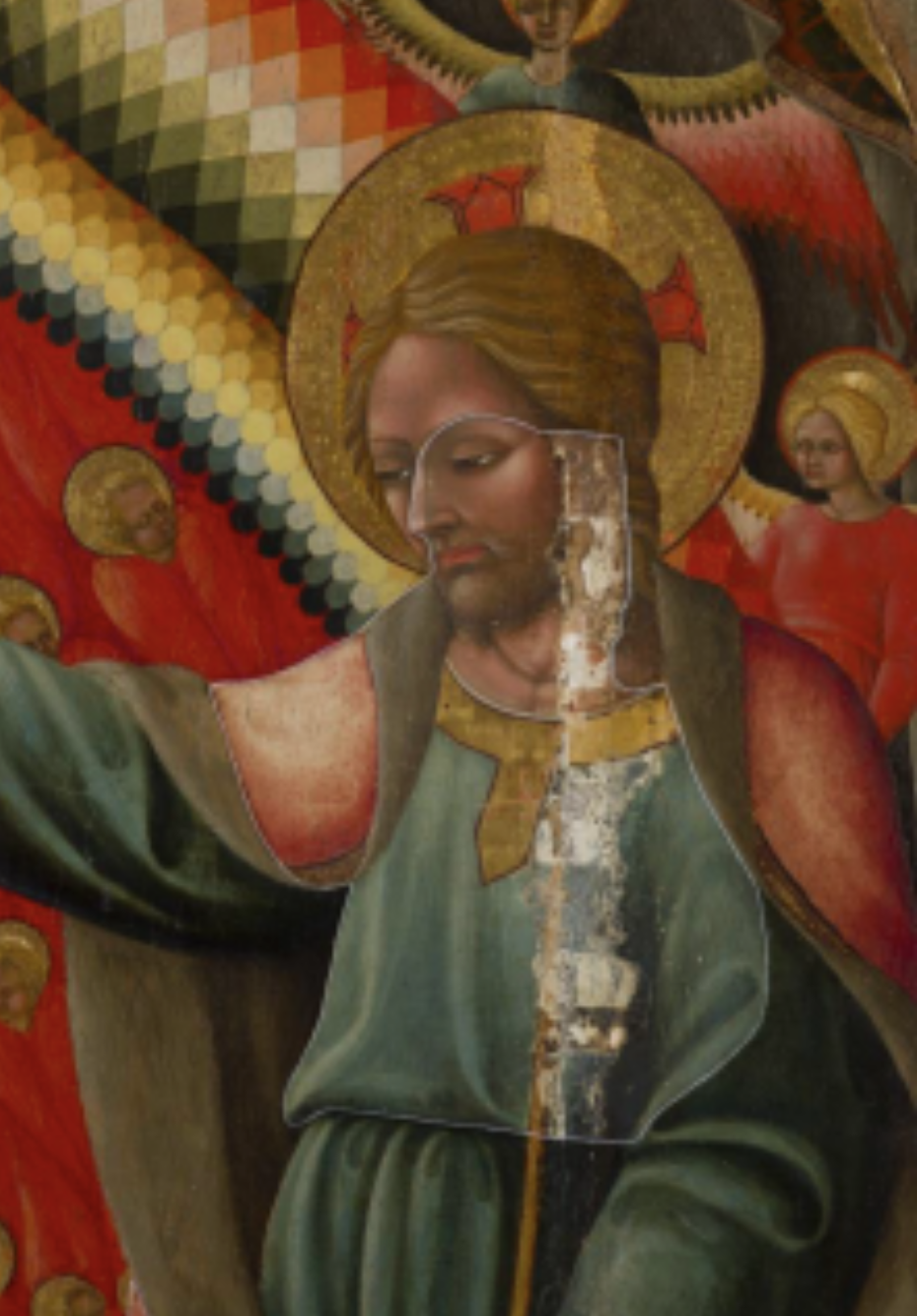
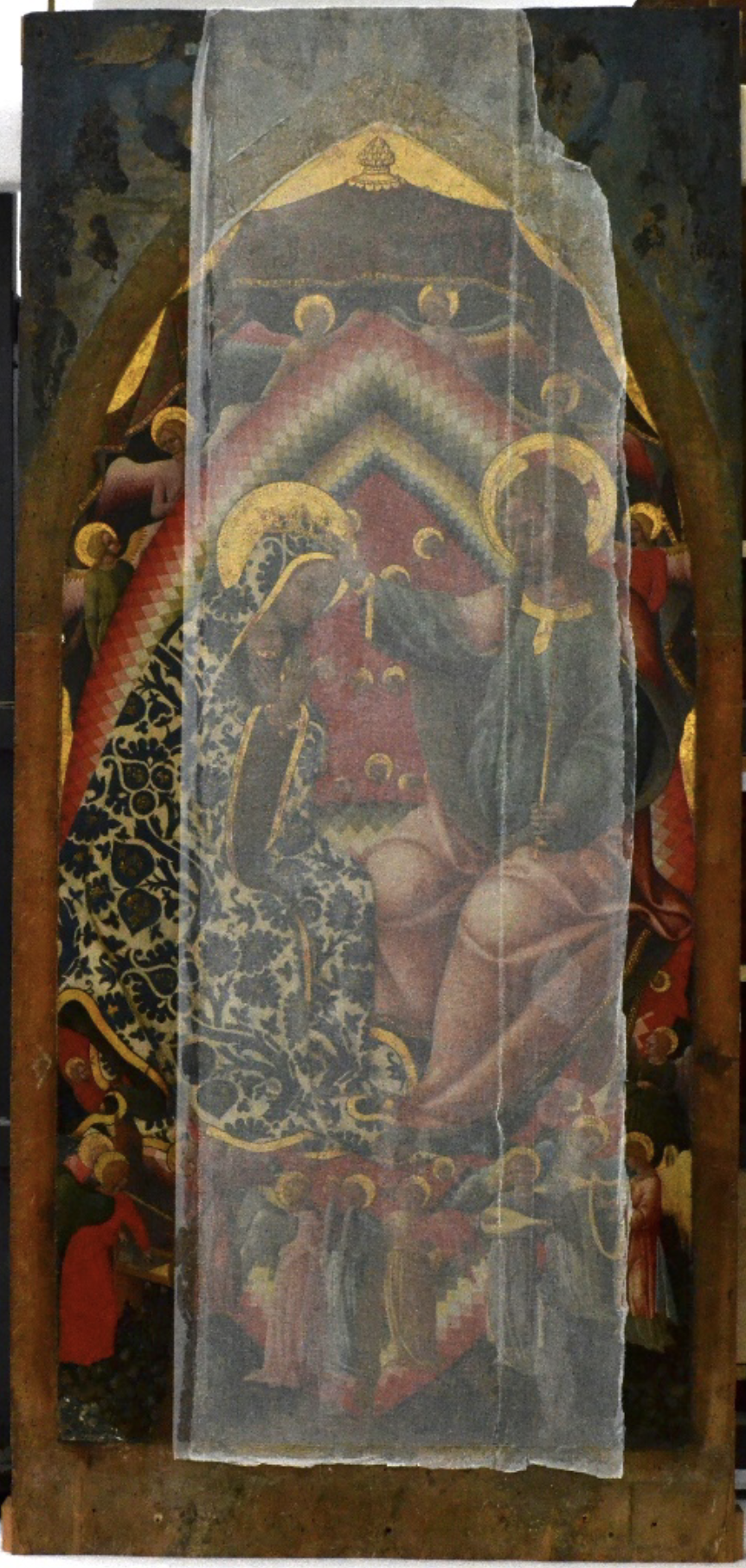
On the two side panels, the Nativity and the Adoration of the Magi, work is progressing on cleaning the painted surfaces. Work has also begun on the central panel depicting the Coronation of the Virgin.
Restorers removed oxidized varnish, the reintegration of images carried out in previous interventions, and the stucco that fills the large and numerous gaps. This intervention has revealed a very complex situation, as multiple layers of stucco appeared underneath the more recent ones. In some cases, restorers detected three or four layers of stucco applied at different times made of various materials; their heterogeneous nature and consistency created a very uneven substrate that weakened the painted surface.
This condition explains the frequent and numerous surface elevations, partly due to structural movements and different behavior of the materials that compose the mortar. Given this situation, restorers removed all inappropriate mortar from this complex and uneven structure. This operation also made it possible to recover small but numerous fragments of painted and gilded surfaces covered by the overflowing stucco.
In some areas, the camouflage canvas applied by the artist to the junction of the planks to reinforce the support structure before the painting also comes to light, allowing a better study of the execution technique. Deep gaps will then be filled with more suitable materials, strengthening the pictorial layers and allowing for better pictorial reintegration.
Simultaneously to the restoration work, the curator in charge of this piece confronted scholars outside the Vatican Museums who are deepening their studies of Bartolomeo di Tommaso da Foligno. Such a study will help reconstruct some information about the history of our triptych. The photographs below show the cleaning performed on the central panel, lacunar areas, and the camouflage canvas.
The photographic laboratory will keep documenting the restoration procedures with photographs and videos.
Restorations Update: Rospigliosi Triptych - Second Restoration Update
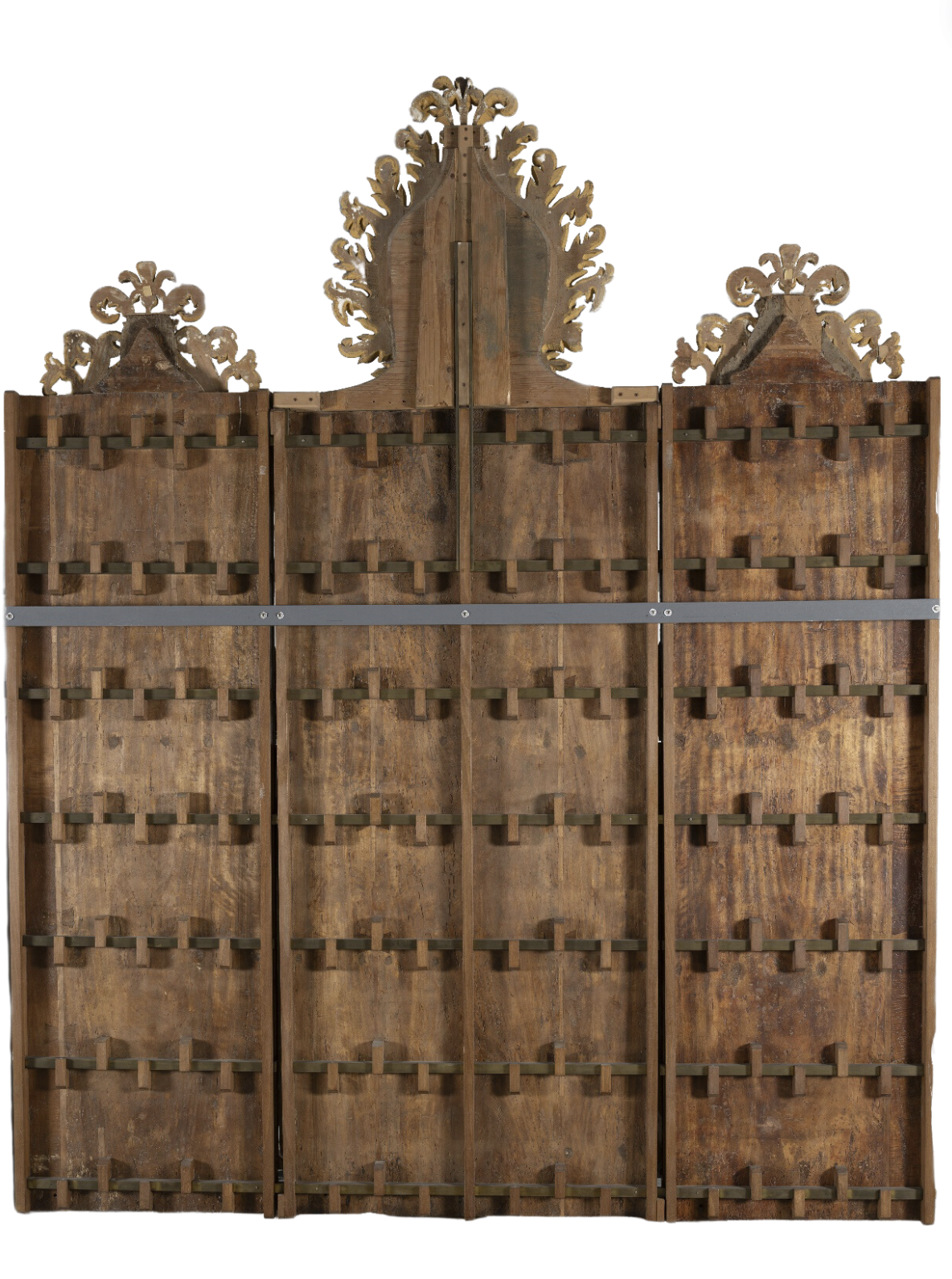
Restoration is proceeding on all the elements that compose the triptych: painted panels and frame. The restorers have completed the wooden restoration and the revision of the parquet on the central panel ('Coronation of the Virgin'). On the reverse of the right panel, some details of the work carried out on all the panels can be seen.
The cleaning of the left panel ("Birth of Jesus") continues, while the cleaning of the right panel ("Adoration of the Magi") has also begun. The removal of the oxidized varnish allows the splendid colors of the paintings to be restored and, at the same time, the correct depth of perspective planes and minute details to be appreciated again.
The removal of old reintegrations will allow the aesthetic presentation to be revised with more appropriate solutions.
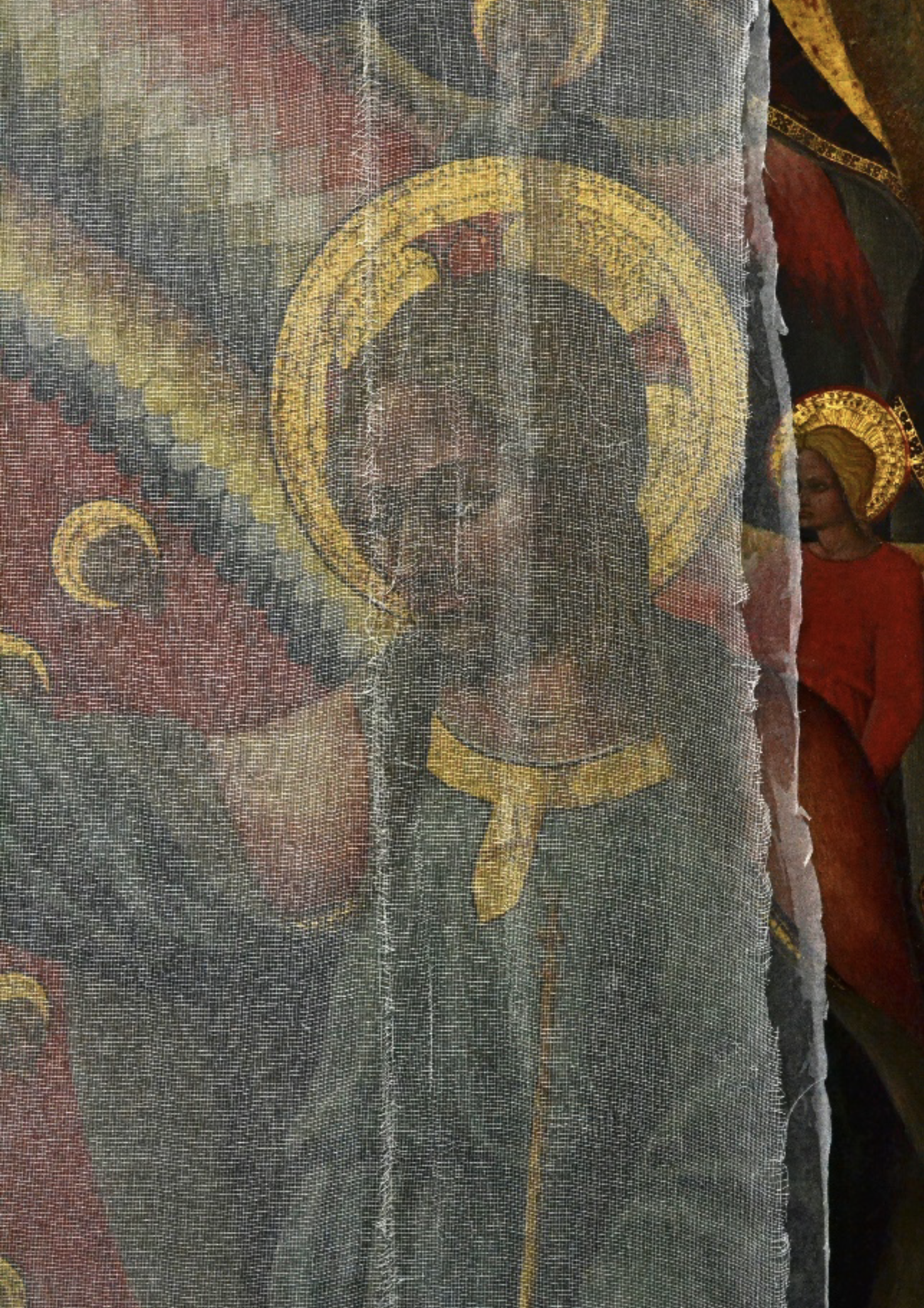
The restoration of the central panel will begin as soon as possible by removing the protective varnish with tissue paper and cleaning the painted surface.
Each phase of the intervention is documented by photographic and video footage taken by the Photographic Laboratory, both for restoration and scientific investigations.
Restorations Update: Rospigliosi Triptych - Restoration Update
Following the decision to proceed with a full restoration, the Scientific Research Laboratory completed a campaign of scientific imaging studies in preparation for the restoration.
Once the scientific studies of each panel had been completed, work was carried out on the supports.
Restorers Massimo Alesi and Marco De Pillis have completed the restoration and revision of the parquet on the two side panels and have just begun the same work on the central panel.
Meanwhile, the cleaning of the first panel on the left ("The Nativity") has begun and is yielding good results.
The new observations on the cleaned areas are revealing new details and it has therefore been decided to carry out further scientific studies to clarify some of the details of the previous interventions and the technique used.
The cleaning of the right panel ("Adoration of the Magi") is also about to begin.
At the same time, Stefano Tombesi will continue with the restoration of all the elements of the frame
Each stage will be documented by photographs and videos taken by the photographic laboratory, both for the restoration work and for scientific research.
© 2026 Patrons of the Arts
in the Vatican Museums
Vatican Museums V-00120,
Vatican City State (Europe)
+39 0669864499