

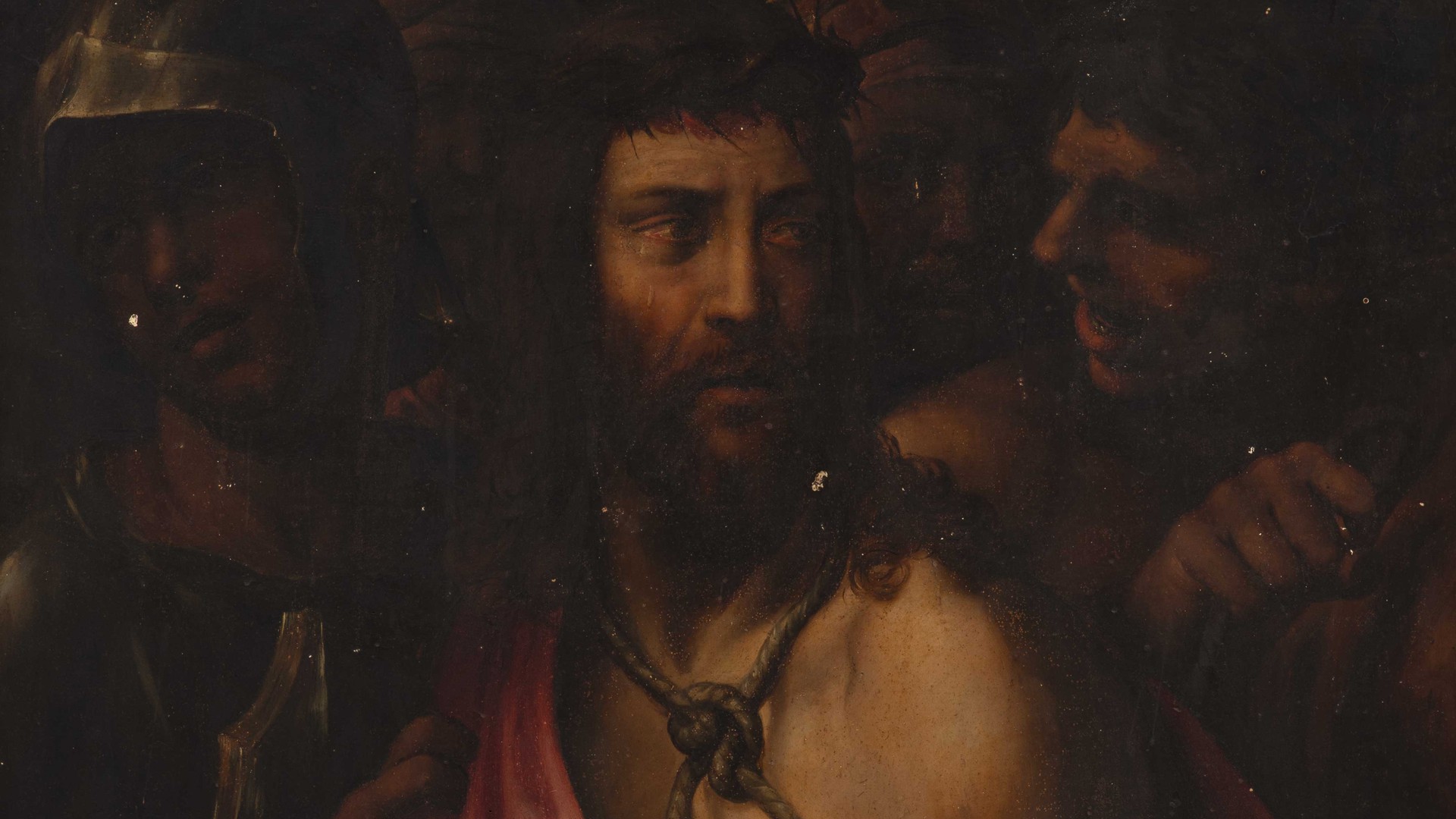
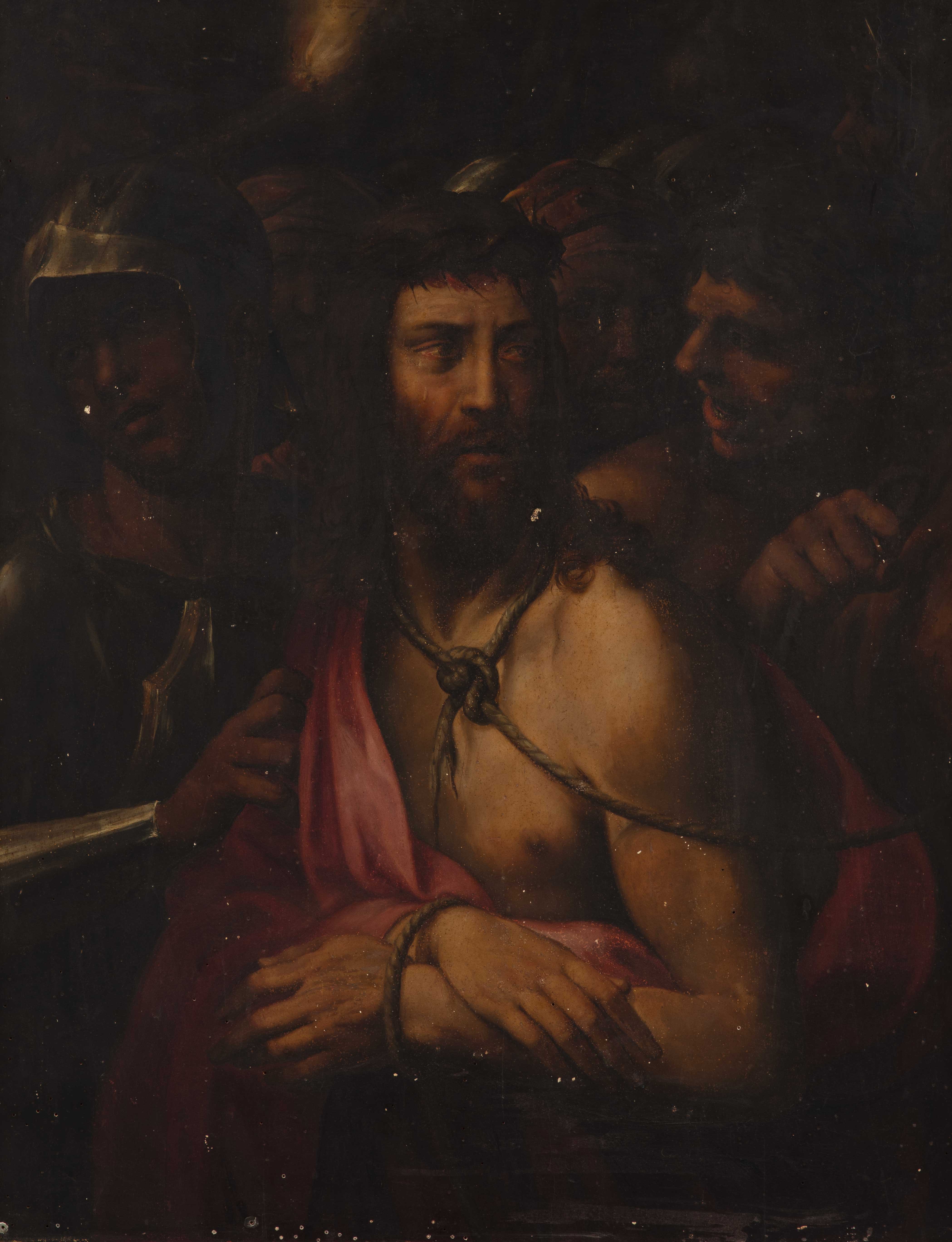
The Mocking of Christ
Artist: Giovanni Antonio Bazzi known “Il Sodoma” and workshop
Date: Around 1530
Classification: Painting
Dimensions: 96 x 74 cm
Materials: Oil painting on wood (poplar), Frame in “Salvator Rosa” style carved wood and gilded with gouache
Adopted By: The Northwest Chapter
Description
HIGH PRIORITY PROJECT
TOTAL COST: € 29.743,04 $ 29,070.84
Restoration Procedures
- Support: making the transom smooth, restoration of cracks
- Cleaning of the pictorial surface, which is opaque and blurry
- Removal of altered retouches and oxidized varnish
- Filling the gaps
- Pictorial reintegration and varnishing
- Frame: Cleaning, consolidation, plastering, and reintegration
Detail
Inventory N°: 40687
Artist: Giovanni Antonio Bazzi known “Il Sodoma” and workshop
Date: Around 1530
Dimensions: 96 x 74 cm
Materials: Oil painting on wood (poplar), Frame in “Salvator Rosa” style carved wood and gilded with gouache
Wishbook year: 2023
The Mocking of Christ - Final Restoration Report
Restoration Procedures
The cleaning was conducted by diversifying the methodologies and the materials to respond to the different natures of the various superimposed substances.
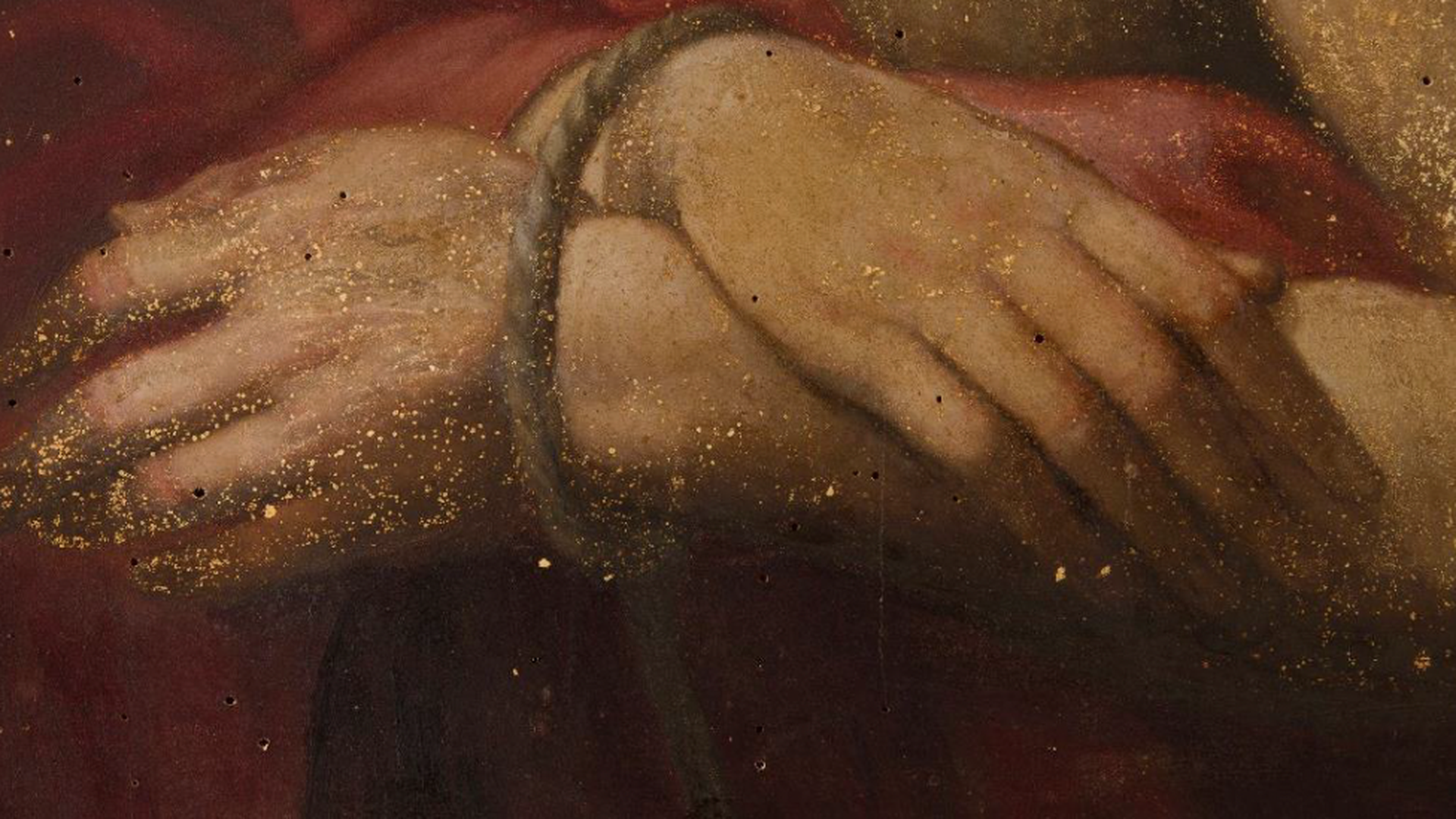
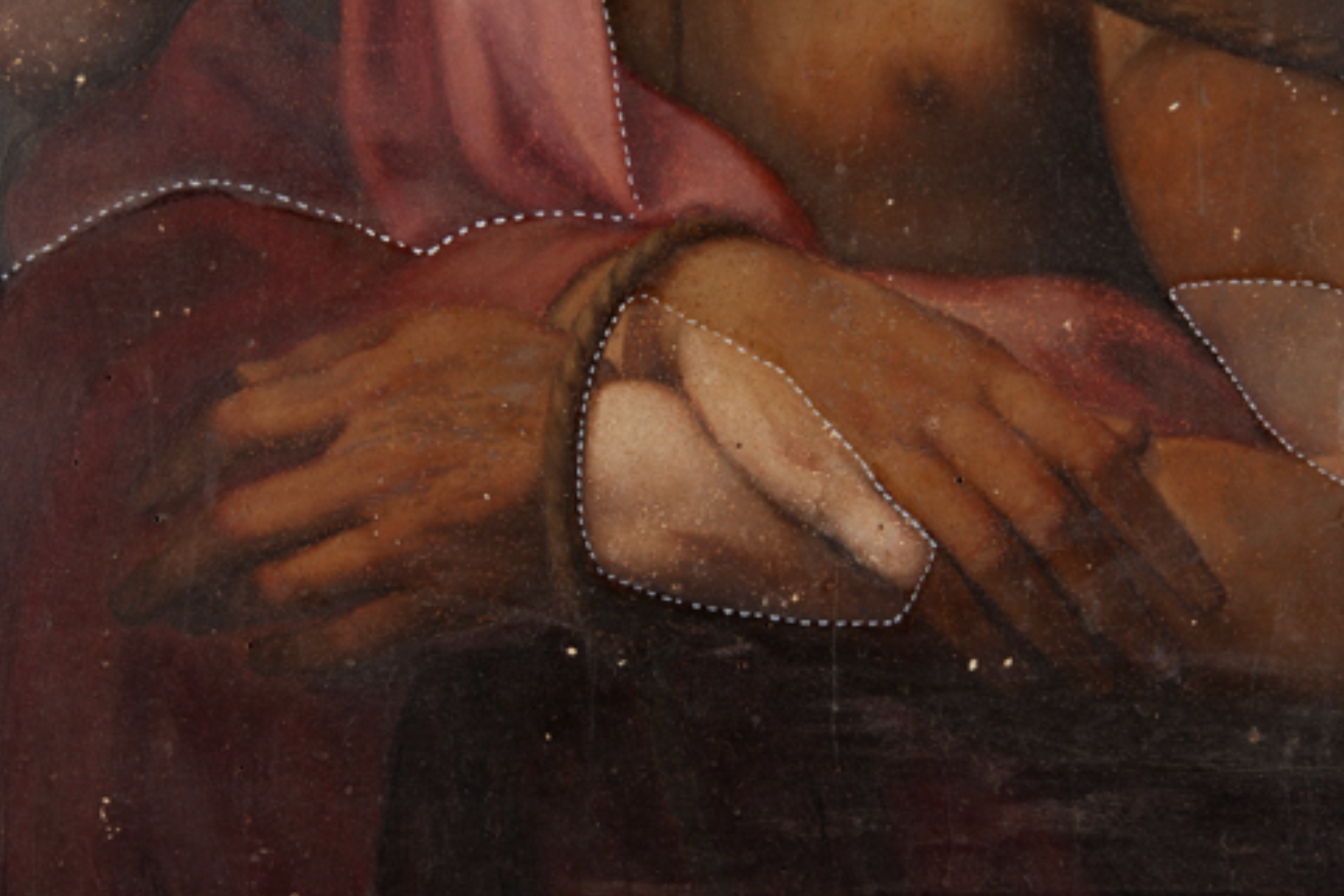
The removal of restoration varnishes and the repainting, while revealing the numerous losses and abrasions of the pictorial film, allowed the recovery of the delicate chromatics, with the soft tonal passages, that define the anatomy of Christ's body, as well as to restore the perspective depth of the scene by bringing out the strokes of light that skilfully mark the contours of the figures in the background.
The accurate pictorial reintegration performed with paint colors allowed the correct legibility of the image by eliminating all the distortions caused by the falls of the pictorial film.
The realization of a careful and punctual scientific research campaign made it possible to obtain information on both the execution technique and the state of conservation of the artwork, essential data to identify the correct restoration intervention methodology.
The Mocking of Christ - Restoration Update
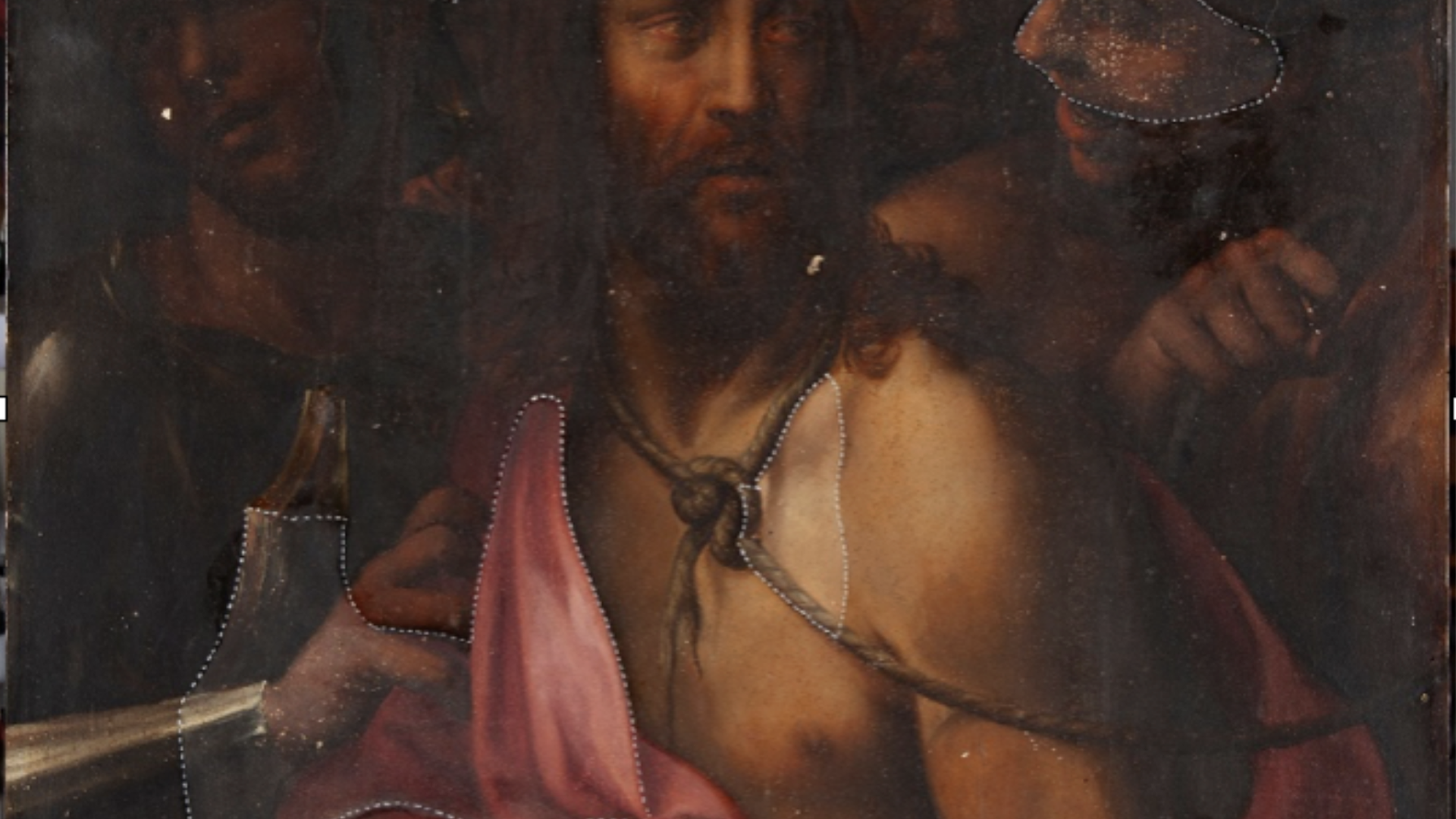
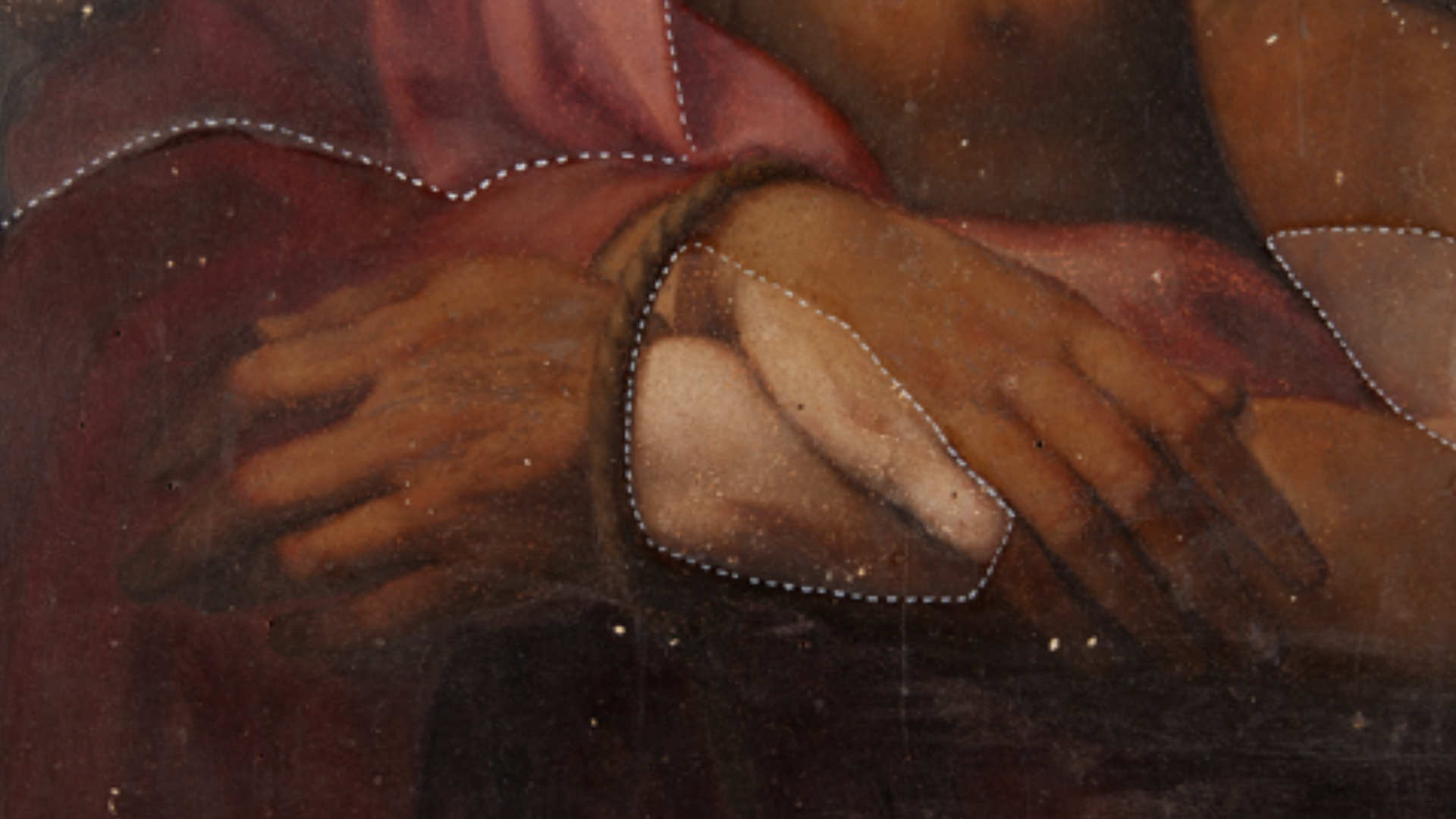
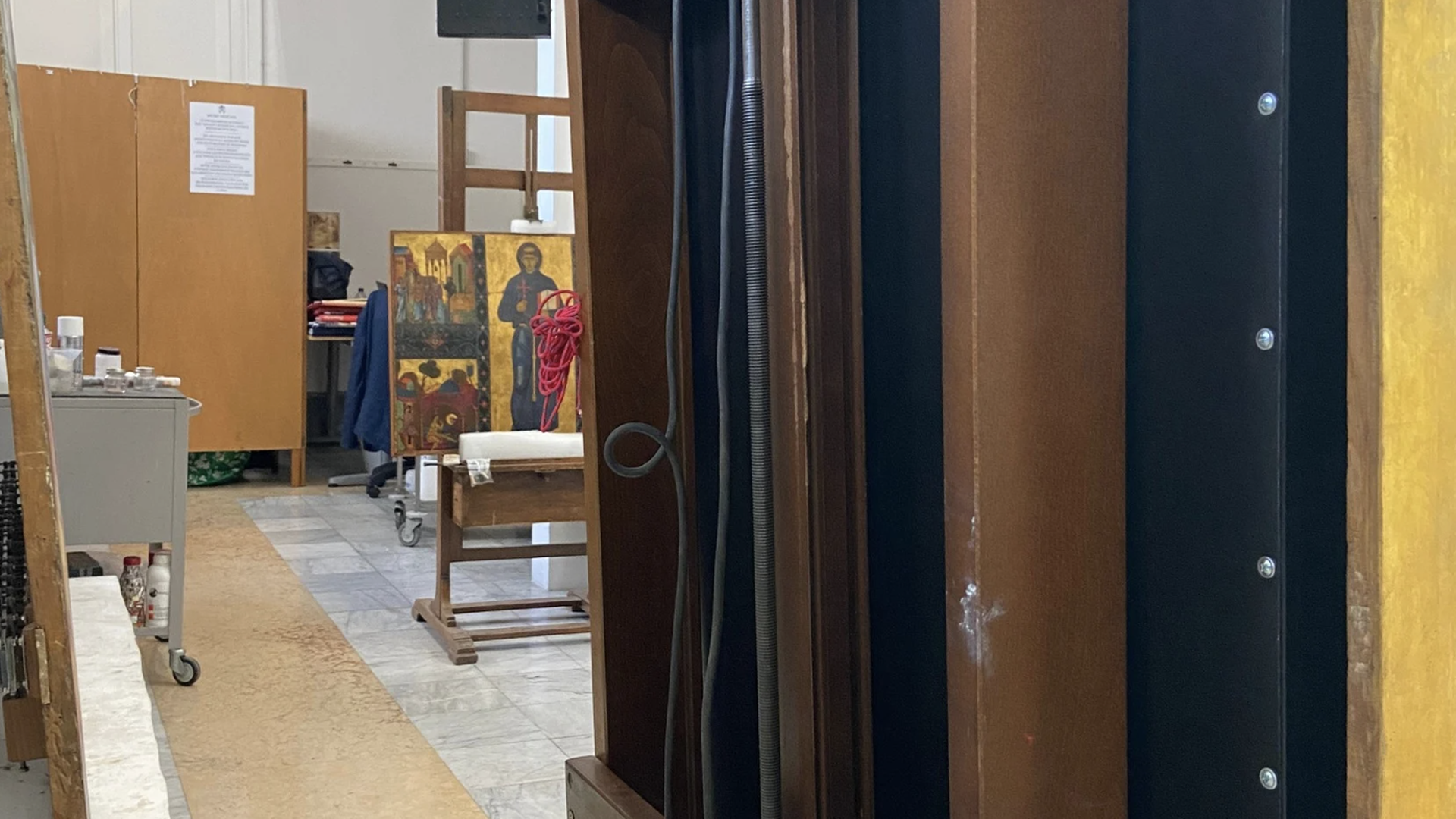
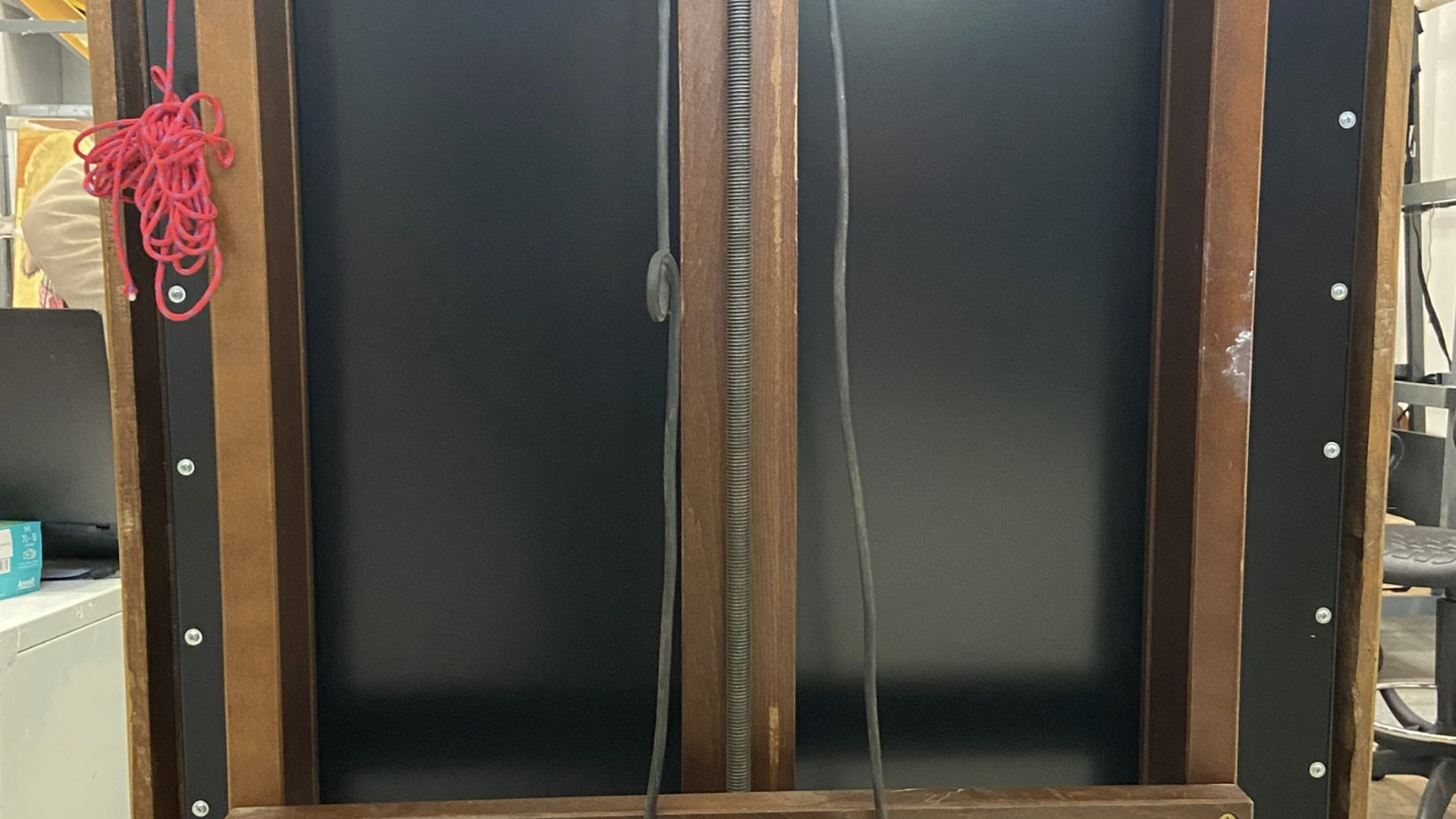
The recent cracks can be attributed to the two fir crossbeams, which are no longer functional. The restorers inserted the two crossbeams into two channels with dovetail profiles. After vailing the painting with Japanese paper, restorers began the conservation processes by gluing wedge-shaped inserts made of poplar wood. The housings for the new inserts were made by using a chisel. The old plaster and glue fillings have been removed with laponite in water. The two crossbeams were removed, straightened, and repositioned with Teflon bonding along all points of contact, reducing the coefficient of friction of the wood.
Upon completion of the described operations, all the wooden inserts included were chromatically matched to the surface with a walnut-colored water-based pigment dye.
- Photographic campaign before the restoration
- Diagnostic investigations such as the U.V, I.R.F.C., X.R.F., and reflectography performed by the Scientific Research Laboratory
The first restoration meeting was held on September 6 attended by representatives of the various departments involved in the project. The curator in charge of the project, Dr. Fabrizio Biferali, introduced some art historical aspects of the painter that led back to a more certain attribution to Giovanni Antonio Bazzi, known as Sodoma.
The restorers in charge of the intervention then explained the expected conservation procedures. This intervention's primary purpose is stabilizing the wooden support by restoring the cracks and checking the dovetailed crossbars, reestablishing their mobility.
Concerning the pictorial surface, restorers performed cleaning tests to verify the nature of the substances used and thus evaluate the most suitable cleaning techniques.
The interventions carried out, so far, on the painting are following what was planned during the first restoration meeting.
The painting, made of 4 tangentially cut poplar wood planks with an average thickness of 3 cm, shows cracks along the plank joints that were already consolidated with plaster and glue in a previous restoration.

The Mocking of Christ
Details
Adopted by: The Northwest Chapter
Patrons: Rick and Lisa Altig
Inventory: 40687
Artist: Giovanni Antonio Bazzi known “Il Sodoma” and workshop
Date: Around 1530
Classification: Painting
Materials: Oil painting on wood (poplar), Frame in “Salvator Rosa” style carved wood and gilded with gouache
Dimensions: 96 x 74 cm
Museum: Pinacoteca
Department: XV-XVI Century Art
Laboratory: Painting & Wood
Wishbook year: 2023
Description
HIGH PRIORITY PROJECT
TOTAL COST: € 29.743,04 $ 29,070.84
Restoration Procedures
- Support: making the transom smooth, restoration of cracks
- Cleaning of the pictorial surface, which is opaque and blurry
- Removal of altered retouches and oxidized varnish
- Filling the gaps
- Pictorial reintegration and varnishing
- Frame: Cleaning, consolidation, plastering, and reintegration
Media
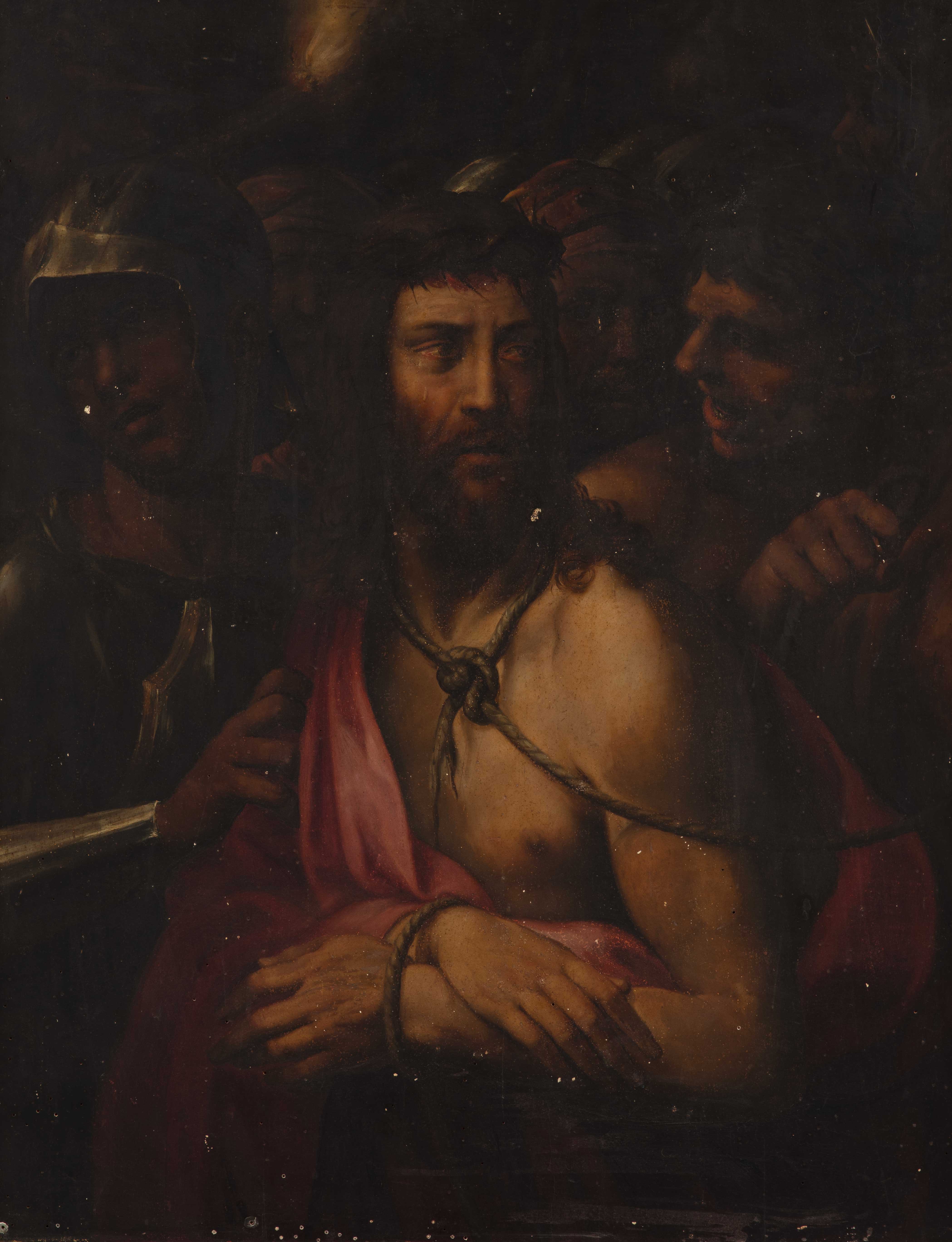
The Mocking of Christ
Restorations Update: The Mocking of Christ - Final Restoration Report
Restoration Procedures
The cleaning was conducted by diversifying the methodologies and the materials to respond to the different natures of the various superimposed substances.
The removal of restoration varnishes and the repainting, while revealing the numerous losses and abrasions of the pictorial film, allowed the recovery of the delicate chromatics, with the soft tonal passages, that define the anatomy of Christ's body, as well as to restore the perspective depth of the scene by bringing out the strokes of light that skilfully mark the contours of the figures in the background.
The accurate pictorial reintegration performed with paint colors allowed the correct legibility of the image by eliminating all the distortions caused by the falls of the pictorial film.
The realization of a careful and punctual scientific research campaign made it possible to obtain information on both the execution technique and the state of conservation of the artwork, essential data to identify the correct restoration intervention methodology.
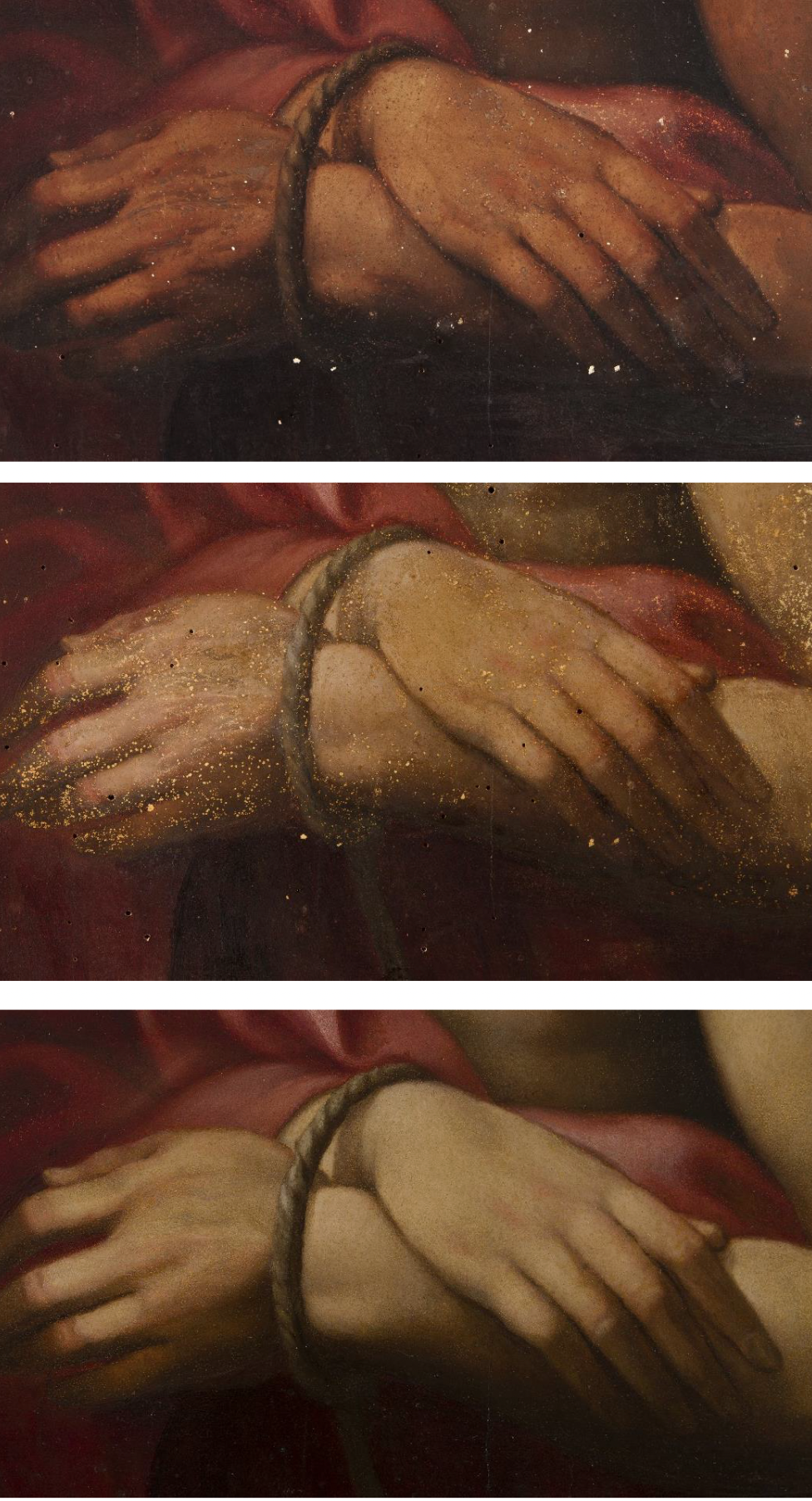
Restorations Update: The Mocking of Christ - Restoration Update
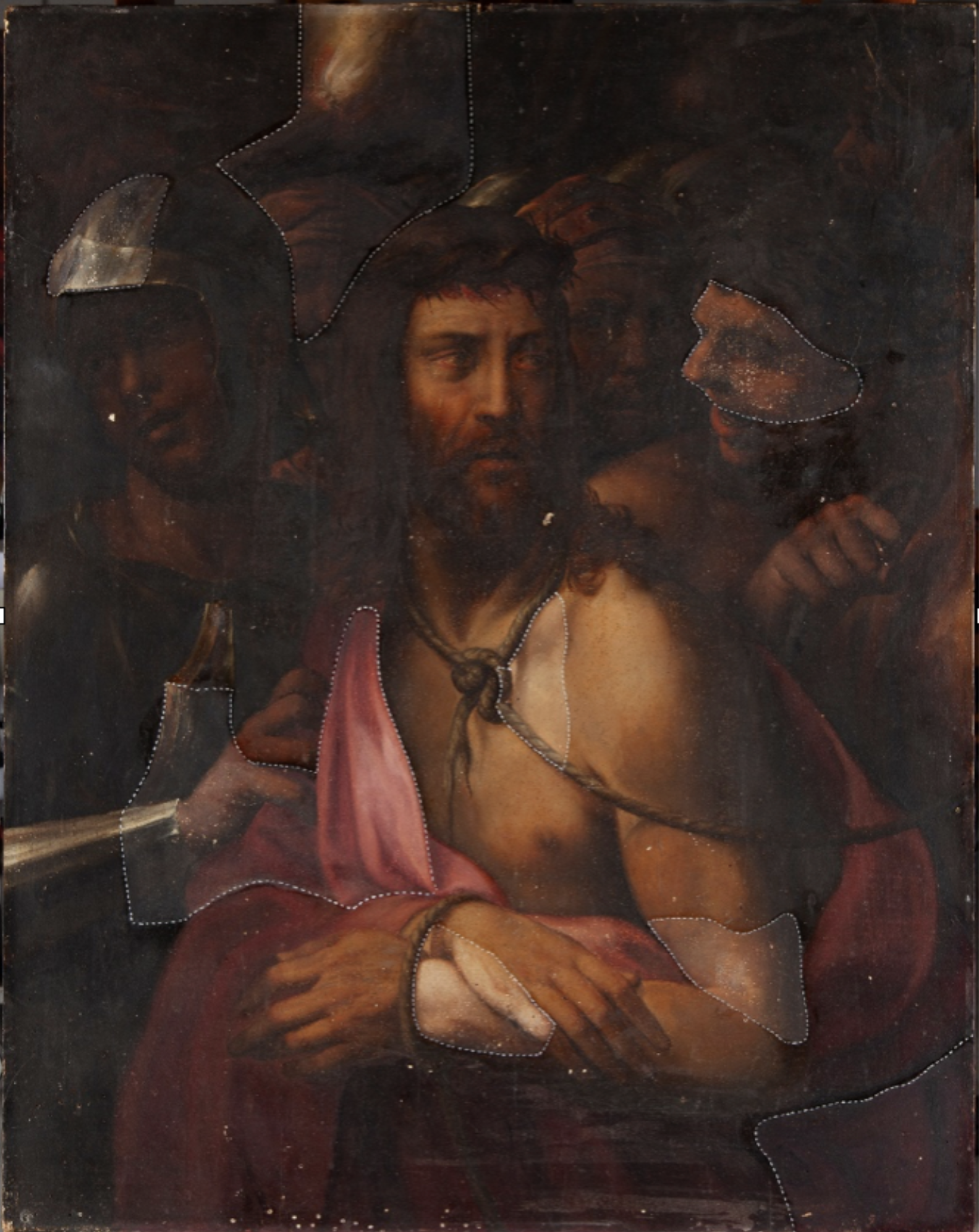
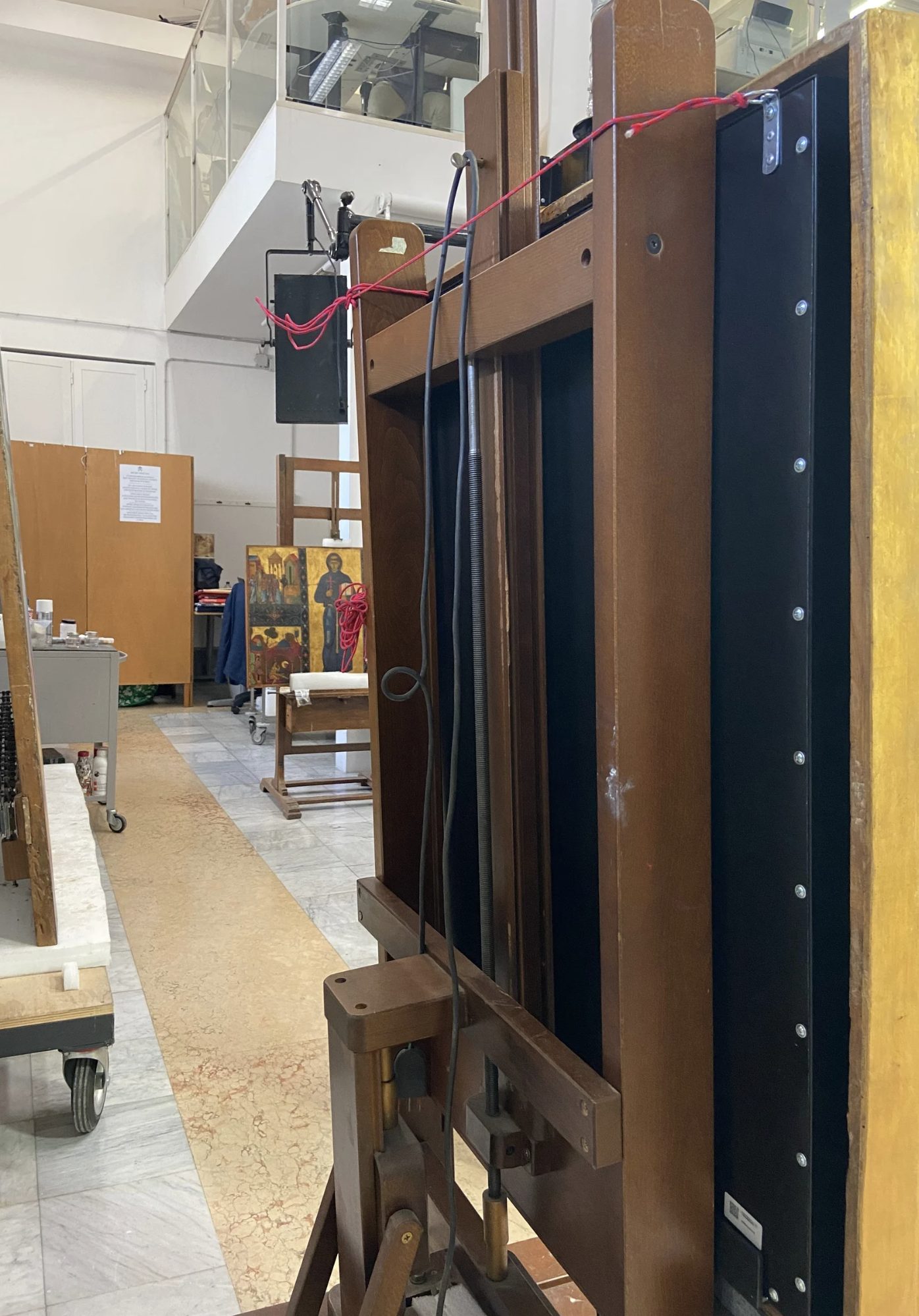
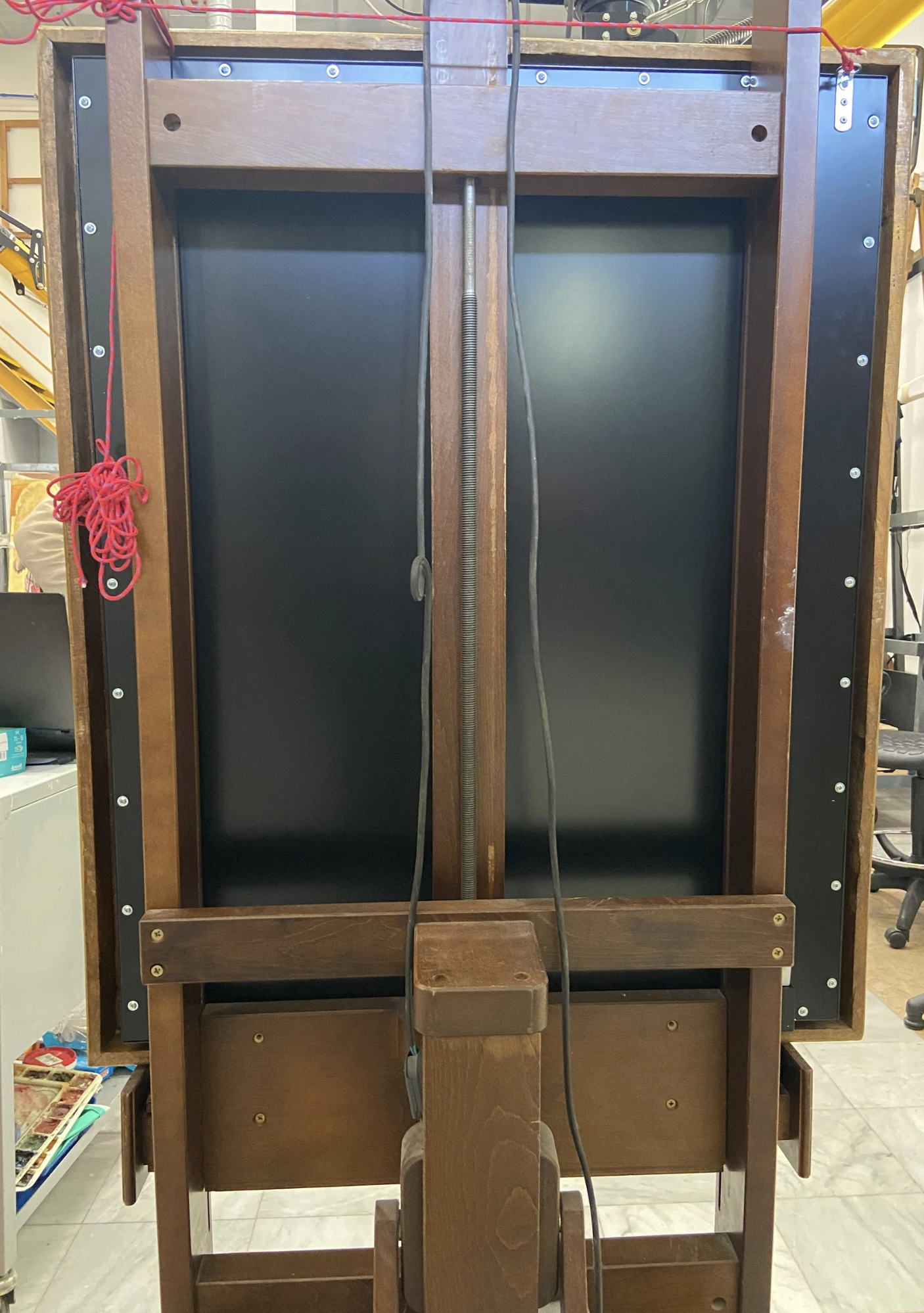
The recent cracks can be attributed to the two fir crossbeams, which are no longer functional. The restorers inserted the two crossbeams into two channels with dovetail profiles. After vailing the painting with Japanese paper, restorers began the conservation processes by gluing wedge-shaped inserts made of poplar wood. The housings for the new inserts were made by using a chisel. The old plaster and glue fillings have been removed with laponite in water. The two crossbeams were removed, straightened, and repositioned with Teflon bonding along all points of contact, reducing the coefficient of friction of the wood.
Upon completion of the described operations, all the wooden inserts included were chromatically matched to the surface with a walnut-colored water-based pigment dye.
- Photographic campaign before the restoration
- Diagnostic investigations such as the U.V, I.R.F.C., X.R.F., and reflectography performed by the Scientific Research Laboratory
The first restoration meeting was held on September 6 attended by representatives of the various departments involved in the project. The curator in charge of the project, Dr. Fabrizio Biferali, introduced some art historical aspects of the painter that led back to a more certain attribution to Giovanni Antonio Bazzi, known as Sodoma.
The restorers in charge of the intervention then explained the expected conservation procedures. This intervention's primary purpose is stabilizing the wooden support by restoring the cracks and checking the dovetailed crossbars, reestablishing their mobility.
Concerning the pictorial surface, restorers performed cleaning tests to verify the nature of the substances used and thus evaluate the most suitable cleaning techniques.
The interventions carried out, so far, on the painting are following what was planned during the first restoration meeting.
The painting, made of 4 tangentially cut poplar wood planks with an average thickness of 3 cm, shows cracks along the plank joints that were already consolidated with plaster and glue in a previous restoration.
© 2026 Patrons of the Arts
in the Vatican Museums
Vatican Museums V-00120,
Vatican City State (Europe)
+39 0669864499