The Denial of the Apostle Peter

Artist: Pensionante dei Saraceni

Date: 1615-1620

Classification: Painting

Dimensions: 250 x 170 cm

Materials: Oil on canvas

Adopted By: The New York Chapter

Description

HIGH PRIORITY PROJECT

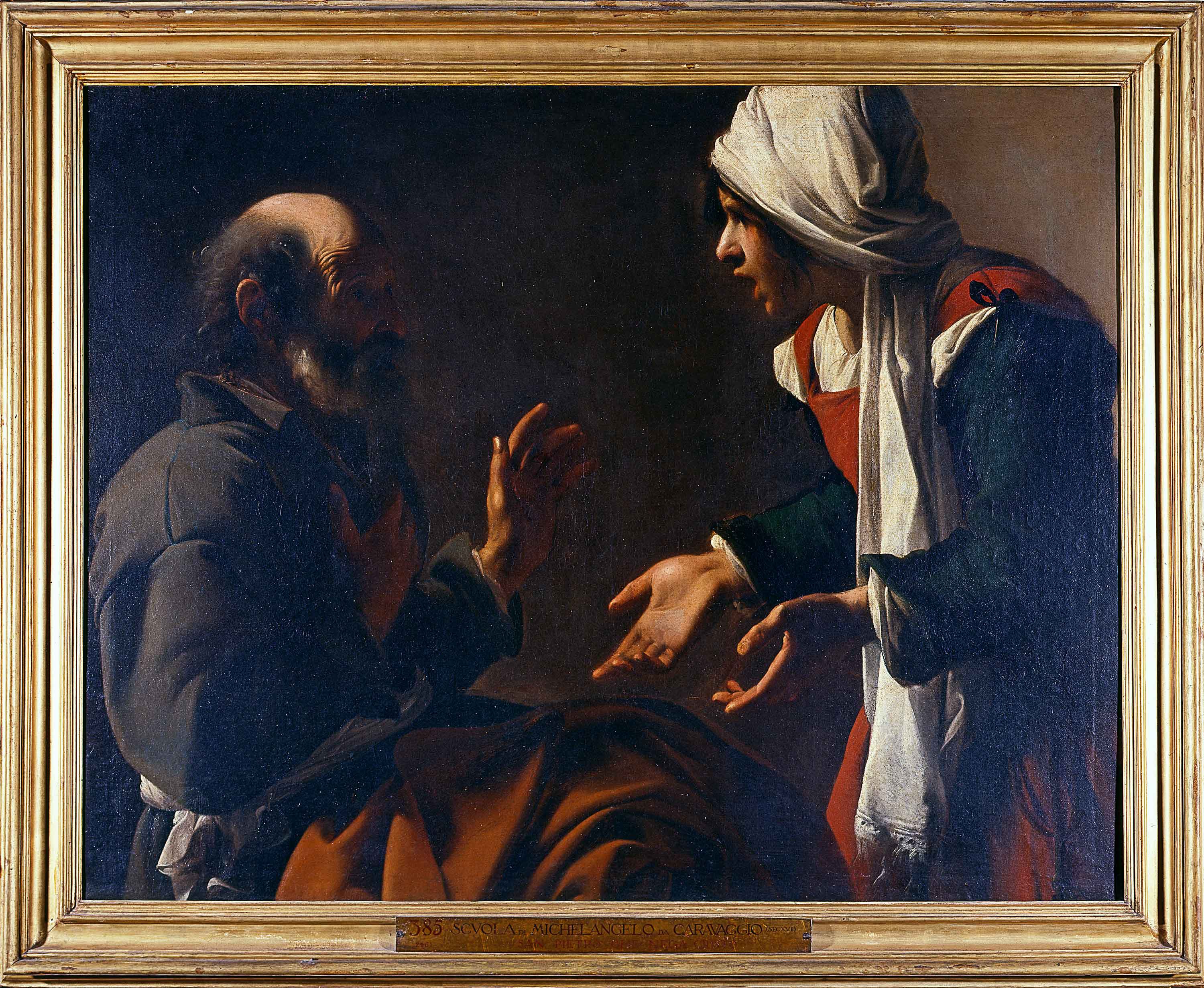
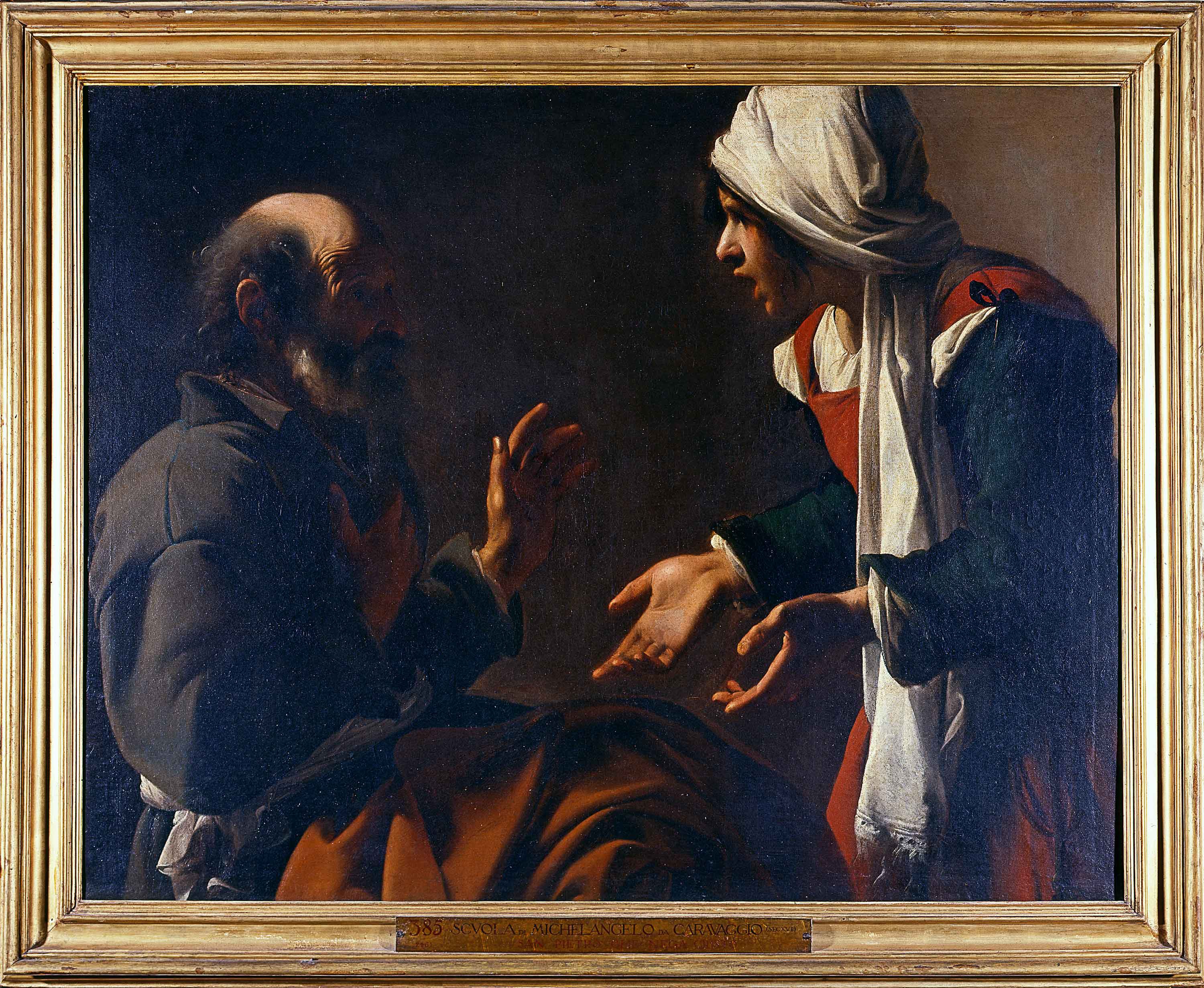
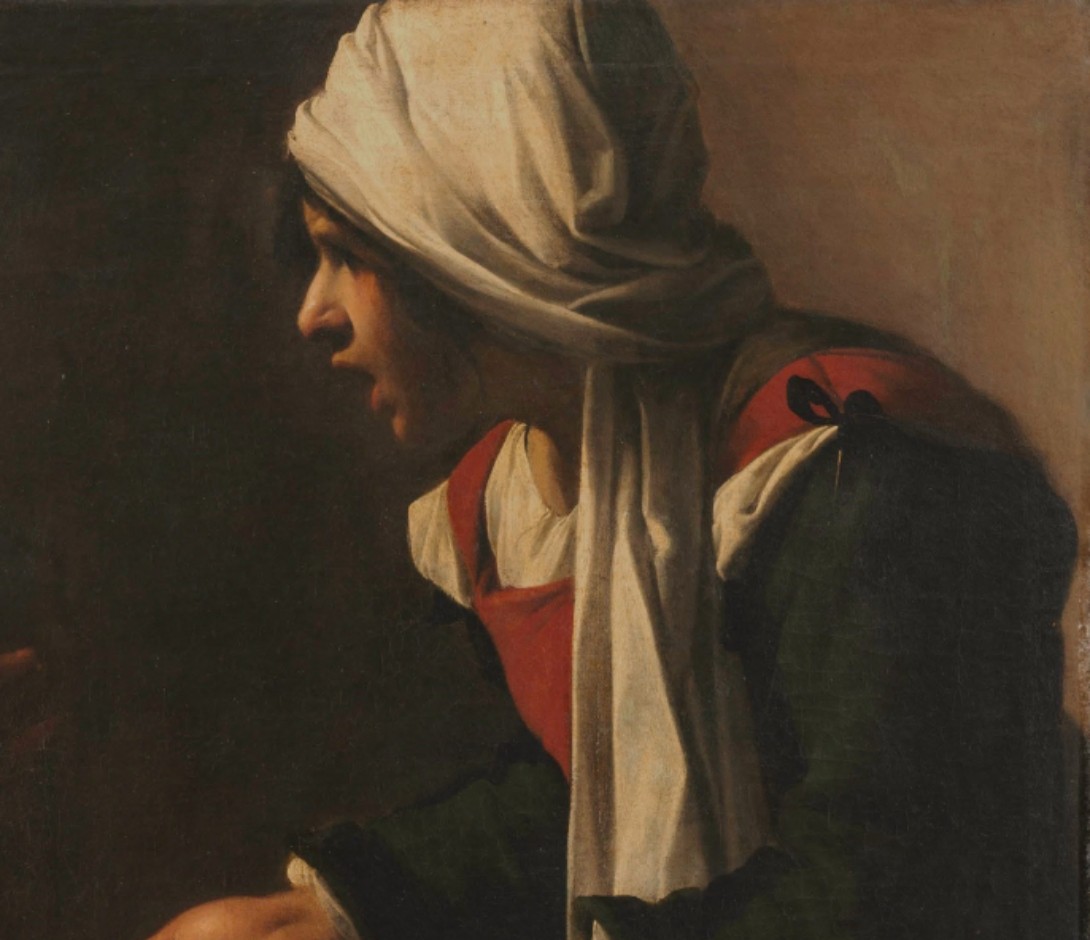
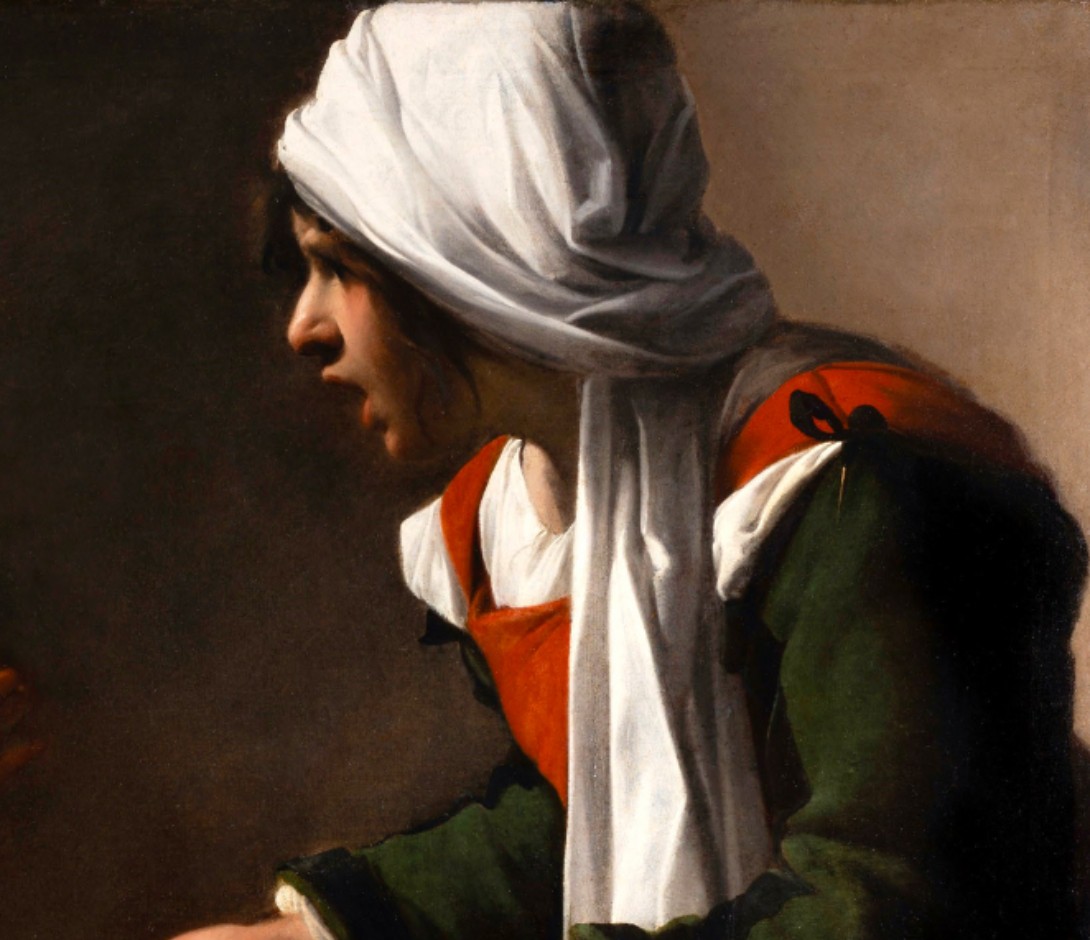
The striking canvas shows the dramatic moment when the Apostle Peter denied Jesus, recounting the Gospel episode. The composition is an intimate narrative through close cropping and the skillful use of chiaroscuro, a contrast of light and shadow. The painting, now on display in the prestigious Room XII of the Vatican Pinacoteca, is from the mysterious painter often referred to by the pseudonym Pensionante del Saraceni, stylistically close to the Caravaggio circle. Given the very high quality of the work, cleaning the canvas could offer a surprise by possibly validating the fascinating hypothesis that the painting might be the work of the excellent Venetian painter Carlo Saraceni.

TOTAL COST: € 22.382,96 ($ 21,877.10)

Restoration Procedures

  • Possible re-adjustment of the fixed frame (given the stability of the canvas, the placement of corner extenders would require cutting the frame)

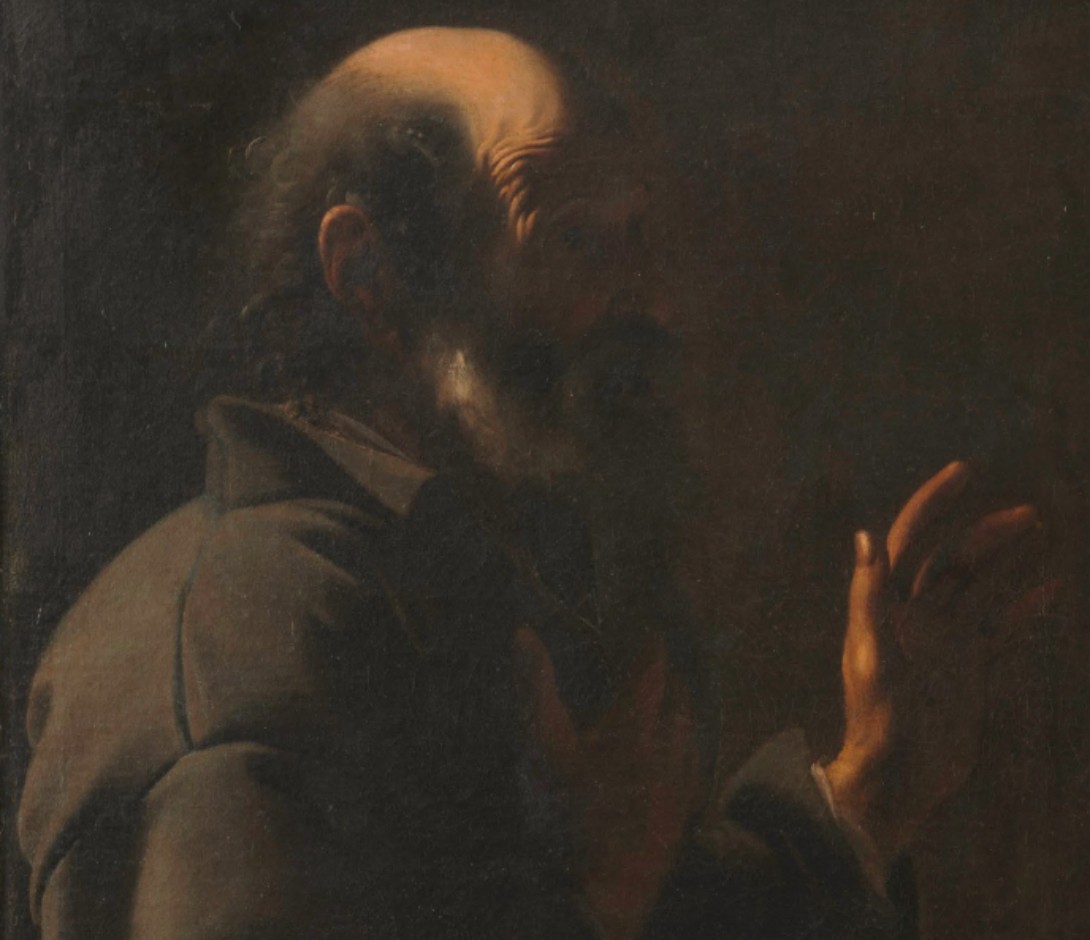
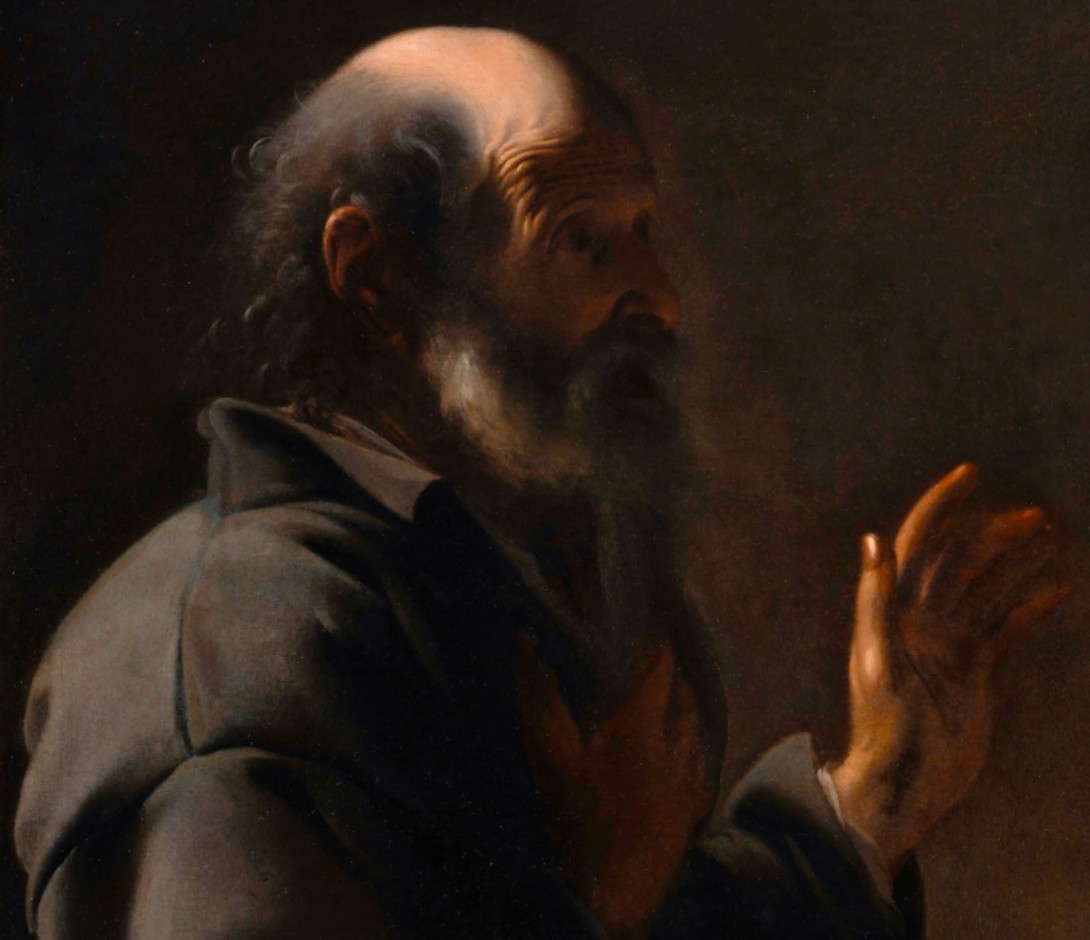
  • Cleaning of the pictorial film covered by thick, heavily oxidized, and opaque varnish, as well as the removal of altered retouches

  • Grouting of the gaps

  • Pictorial reintegration

Detail

Adopted By:

The New York Chapter

Patrons:

Antony McLaughlin

Inventory N°: 40385

Artist: Pensionante dei Saraceni

Date: 1615-1620

Dimensions: 250 x 170 cm

Materials: Oil on canvas

Department:

XV-XVI Century Art

Laboratories:

Painting & Wood

Wishbook year: 2023

Painting
Pensionante dei Saraceni
1615-1620
Oil on canvas
Share Project
01

The Denial of the Apostle Peter - Before & After Restoration

The Denial of the  Apostle Peter before 1The Denial of the  Apostle Peter before 2
02

The Denial of the Apostle Peter - Restoration Update

The Denial of the Apostle Peter-restoration-update
The painting, coming from the Sacchetti collection, is today in the Vatican Museums in the prestigious Room XII of the Vatican Pinacoteca, a grand octagonal room designed by Luca Beltrami in the first half of the last century to house some of the most significant and celebrated works of the 17th century. In 1943 the great art historian Roberto Longhi coined the mysterious and fascinating painter the Pensionante del Saraceni. A fictitious name that brought together a small group of paintings similar to the Vatican canvas.
 
The Vatican painting is a singular representation of the Denial of Peter. The painter chooses to use the Gospel of Matthew as a source but in an unusual way (26, 69-70), the only one of the biblical texts that concentrate only on the description of Peter sitting in the courtyard, without mentioning further details described in the other Gospels at the presence of the high priest, guards or the burning fire. The synthetic choice translates into an enhancement of the dramatic narrative. Having eliminated the description of the surrounding environment, the painter immerses the characters in metaphysical darkness in which they meet in an intimate dialogue that focuses on the inner drama of the apostle and his feelings.
 
STATE OF PRESERVATION
The underframe is a fixed wooden structure and is not expanding with an additional vertical central crossbar of a different wood species. The proper tension of the canvas shows, however, that it is a system that still performs its function. Despite the fixed frame, the tension of the support is good. The canvas has a lining. In the past, restorers used linen textile support on the back to reinforce the original. Usually, the so-called paste glue made of flour, animal glue, turpentine, and fungicide assists in the execution of this operation. Even though, today restorers tend to use thermoplastic adhesives that are easily reversible because they soften with a modicum of heat. They also will not remove the added cloth because it is still functional. In the Laboratory Archive, the last documented restoration was in 1953 by Micozzi. The pictorial film has a thick varnish that is strongly oxidized and opaque. The reaction with light caused a change in tone and an alteration. This effect disrupts the visual perception of the work, affecting its original message. There is an ongoing discussion about the attribution of the painting, and for this reason, it is relevant to recover the original chromatics. The previous restoration also involved some retouches. Lastly, the frame is in a good state of conservation.
 
RESTORATION PROCEDURES
 
Given the stability of the canvas, it is best to avoid the readjustment of the frame because it would require the placement of corner extenders that would cut the frame. Restorers will still need to discuss this topic. Since the canvas is stable and has good tension, it is best to leave the 1950's lining. In today's era, dated interventions that still perform their correct function remain untouched. The cleaning of the pictorial film is the fulcrum of this intervention. It is a request of the curator, not so much for conservation, but for study reasons. This tactic will involve not only the removal of the altered layers but also of the altered retouches. Restorers will fill the gaps with Bolognese plaster and rabbit glue and reintegrate paint using watercolors on the fillings. In the end, restorers will apply a new varnish to protect and revive the chromatic effect.
 
pavm logo

The Denial of the Apostle Peter

Details

Adopted by: The New York Chapter

Patrons: Antony McLaughlin

Inventory: 40385

Artist: Pensionante dei Saraceni

Date: 1615-1620

Classification: Painting

Materials: Oil on canvas

Dimensions: 250 x 170 cm

Department: XV-XVI Century Art

Laboratory: Painting & Wood

Wishbook year: 2023

Description

HIGH PRIORITY PROJECT

The striking canvas shows the dramatic moment when the Apostle Peter denied Jesus, recounting the Gospel episode. The composition is an intimate narrative through close cropping and the skillful use of chiaroscuro, a contrast of light and shadow. The painting, now on display in the prestigious Room XII of the Vatican Pinacoteca, is from the mysterious painter often referred to by the pseudonym Pensionante del Saraceni, stylistically close to the Caravaggio circle. Given the very high quality of the work, cleaning the canvas could offer a surprise by possibly validating the fascinating hypothesis that the painting might be the work of the excellent Venetian painter Carlo Saraceni.

TOTAL COST: € 22.382,96 ($ 21,877.10)

Restoration Procedures

  • Possible re-adjustment of the fixed frame (given the stability of the canvas, the placement of corner extenders would require cutting the frame)

  • Cleaning of the pictorial film covered by thick, heavily oxidized, and opaque varnish, as well as the removal of altered retouches

  • Grouting of the gaps

  • Pictorial reintegration

Media

The Denial of St. Peter

The Denial of St. Peter

The Denial of the  Apostle Peter before 1

The Denial of the Apostle Peter before 1

The Denial of the  Apostle Peter after 1

The Denial of the Apostle Peter after 1

The Denial of the  Apostle Peter before 2

The Denial of the Apostle Peter before 2

The Denial of the  Apostle Peter after 2

The Denial of the Apostle Peter after 2

Restorations Update: The Denial of the Apostle Peter - Before & After Restoration

The Denial of the  Apostle Peter before 2

Restorations Update: The Denial of the Apostle Peter - Restoration Update

The painting, coming from the Sacchetti collection, is today in the Vatican Museums in the prestigious Room XII of the Vatican Pinacoteca, a grand octagonal room designed by Luca Beltrami in the first half of the last century to house some of the most significant and celebrated works of the 17th century. In 1943 the great art historian Roberto Longhi coined the mysterious and fascinating painter the Pensionante del Saraceni. A fictitious name that brought together a small group of paintings similar to the Vatican canvas.
 
The Vatican painting is a singular representation of the Denial of Peter. The painter chooses to use the Gospel of Matthew as a source but in an unusual way (26, 69-70), the only one of the biblical texts that concentrate only on the description of Peter sitting in the courtyard, without mentioning further details described in the other Gospels at the presence of the high priest, guards or the burning fire. The synthetic choice translates into an enhancement of the dramatic narrative. Having eliminated the description of the surrounding environment, the painter immerses the characters in metaphysical darkness in which they meet in an intimate dialogue that focuses on the inner drama of the apostle and his feelings.
 
STATE OF PRESERVATION
The underframe is a fixed wooden structure and is not expanding with an additional vertical central crossbar of a different wood species. The proper tension of the canvas shows, however, that it is a system that still performs its function. Despite the fixed frame, the tension of the support is good. The canvas has a lining. In the past, restorers used linen textile support on the back to reinforce the original. Usually, the so-called paste glue made of flour, animal glue, turpentine, and fungicide assists in the execution of this operation. Even though, today restorers tend to use thermoplastic adhesives that are easily reversible because they soften with a modicum of heat. They also will not remove the added cloth because it is still functional. In the Laboratory Archive, the last documented restoration was in 1953 by Micozzi. The pictorial film has a thick varnish that is strongly oxidized and opaque. The reaction with light caused a change in tone and an alteration. This effect disrupts the visual perception of the work, affecting its original message. There is an ongoing discussion about the attribution of the painting, and for this reason, it is relevant to recover the original chromatics. The previous restoration also involved some retouches. Lastly, the frame is in a good state of conservation.
 
RESTORATION PROCEDURES
 
Given the stability of the canvas, it is best to avoid the readjustment of the frame because it would require the placement of corner extenders that would cut the frame. Restorers will still need to discuss this topic. Since the canvas is stable and has good tension, it is best to leave the 1950's lining. In today's era, dated interventions that still perform their correct function remain untouched. The cleaning of the pictorial film is the fulcrum of this intervention. It is a request of the curator, not so much for conservation, but for study reasons. This tactic will involve not only the removal of the altered layers but also of the altered retouches. Restorers will fill the gaps with Bolognese plaster and rabbit glue and reintegrate paint using watercolors on the fillings. In the end, restorers will apply a new varnish to protect and revive the chromatic effect.