

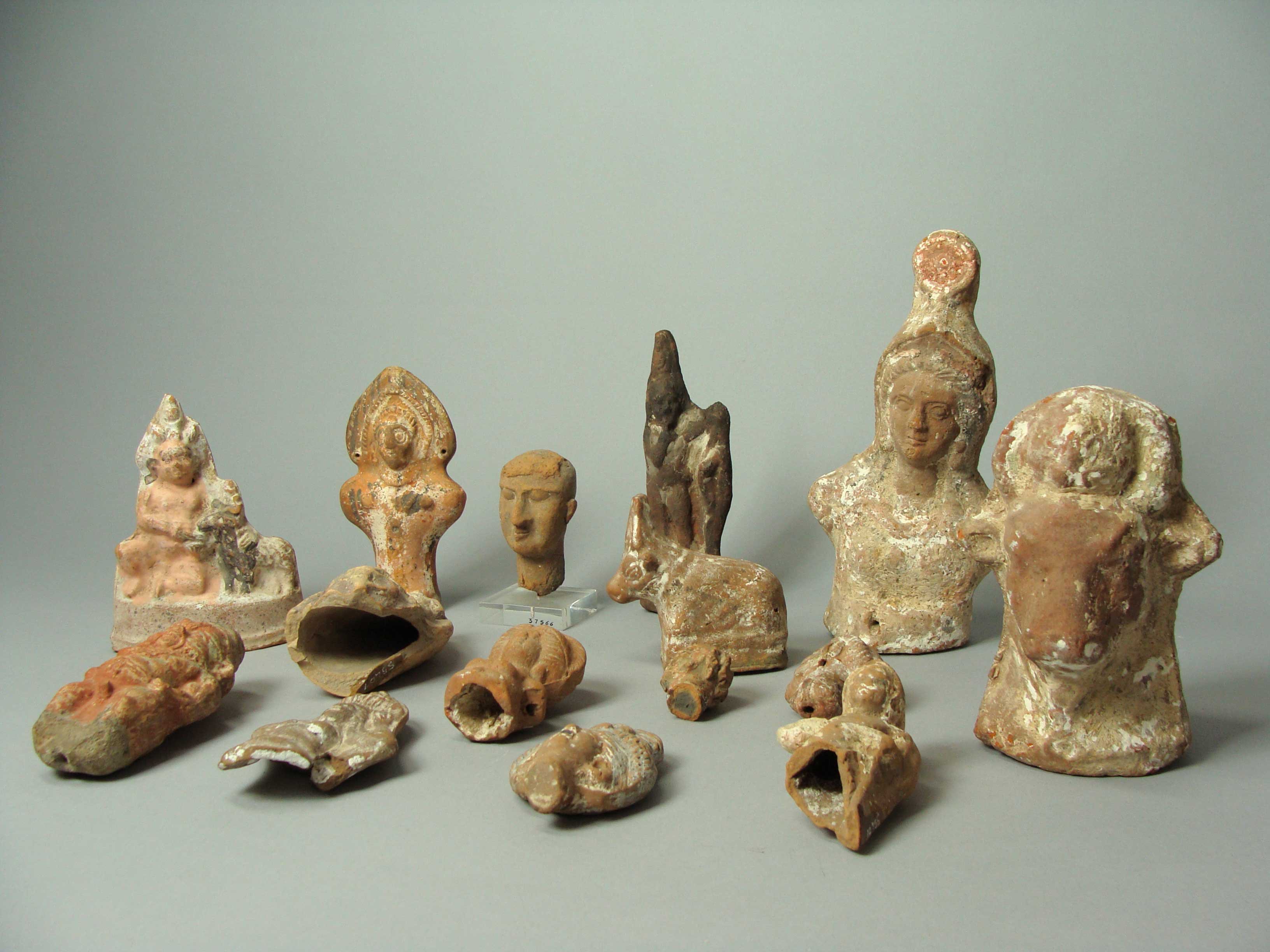
Seventy figurines in terracotta from the Egyptian collection
Artist: Unknown
Classification: Figurines
Dimensions: Various
Materials: Terracotta, Ceramic
Adopted By: The New York Chapter
Total Cost: € 15,747
Description
The figure statuettes in the terracotta of this restoration and study consist of a collection of around 120 artifacts in the exposition of room VII of the Gregorian Egyptian Museum.
State of Preservation
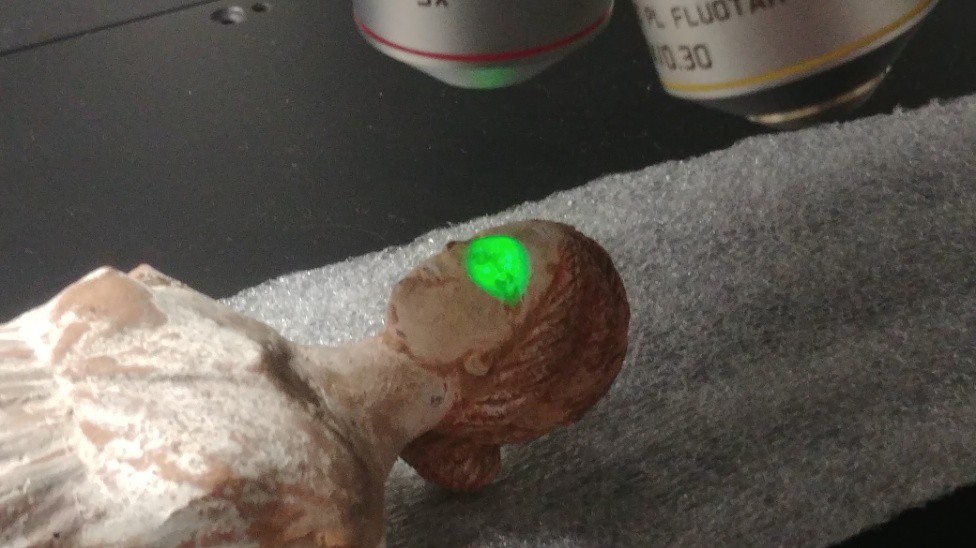
Most of these artifacts preserve important traces of polychrome decoration. For this reason, in recent months, the Cabinet of Scientific Research of the Vatican Museums has begun an appropriate campaign aimed at the characteristics of the preparatory layers of the color white (laid on the surface of the ceramic body) and of the polychrome pigments, found as color variations in the shades of the ochre, red, pink, black and green. In particular, restorers found pigments based on Egyptian figurative details from the use of lacquer.
Research has been deepened in the current study of the ceramic body, which is a composition of clays. Fundamental data will identify the areas of manufacture and production of these artifacts from ancient Egypt and the Near East. The study will be carried by collecting analysis and data. Once appropriately selected and verified, the artifacts will be subject to treatment. The conservative restoration has not started yet because restorers are waiting for the results of the technical-scientific investigation campaign. Only a few specimens had a delicate removal of the superficial dust, which restorers carried out to optimize the investigation operations. For each statuette, detailed cards are being compiled to collect and compare all the data and observations obtained during the research and restoration work. Specifically, to date, this documentation includes the in-depth study of the techniques used to create the statuette, the preparatory layers of color, the type of polychromy, and the results of the first diagnostic investigations. In collaboration with the Scientific Laboratory and addressing the conservation of the artifacts, the identification or innovative formulation of a product that can be safely used on the statuettes is being studied.
Restoration Procedures
The restoration work involved a group of figurative terracotta figurines, preserved in the Gregorian Egyptian Museum of the Vatican Museums and dated from the Ptolemaic and Coptic periods (III B.C. - VI A.D.). The state of preservation of these artifacts was very diverse, mainly due to the presence or absence of polychrome decorations and the inadequate reconstructions from recent times. For every specimen, even those that appear without color traces, the restoration intervention included monitoring of he operations by observation under an optical microscope. The principal objective was to remove the materials of previous conservative interventions, such as works of modern damaging materials (pins, adhesives, and stuccos), to treat the forms of alteration of the colors and earthenware mixtures, to clean and consolidate the traces of decoration, and to document and study the construction technique and painting technique together with the identification of the pigments. Among the peculiarities of this collection, a great number of examples belonging to the category of the “Grottesche” revealed the use of colors including lacquer-based colors, used mostly for the preparation of the pink tonality in the complexions. In addition, there are numerous figurines with traces of white for preparing the terracotta surfaces for pictorial decoration, which have been lost in many specimens. In collaboration with the Scientific Research Laboratory, restorers analyzed the pigments used for the pictorial decoration. They detected most of the colors, although present in traces and imperceptible to the naked eye, have been documented and analyzed for their recognition.
Detail
Adopted By:
The New York ChapterInventory N°: CDR 505537
Artist: Unknown
Provenience: Egypt
Dimensions: Various
Materials: Terracotta, Ceramic
Department:
Egyptian and Near Eastern AntiquitiesCurators:
Dr. Alessia Amentamuseum:
Gregorian Egyptian MuseumTotal Cost
€ 15,747
Terracotta Statuettes of the Gregorian Egyptian Museum Restoration Report Update
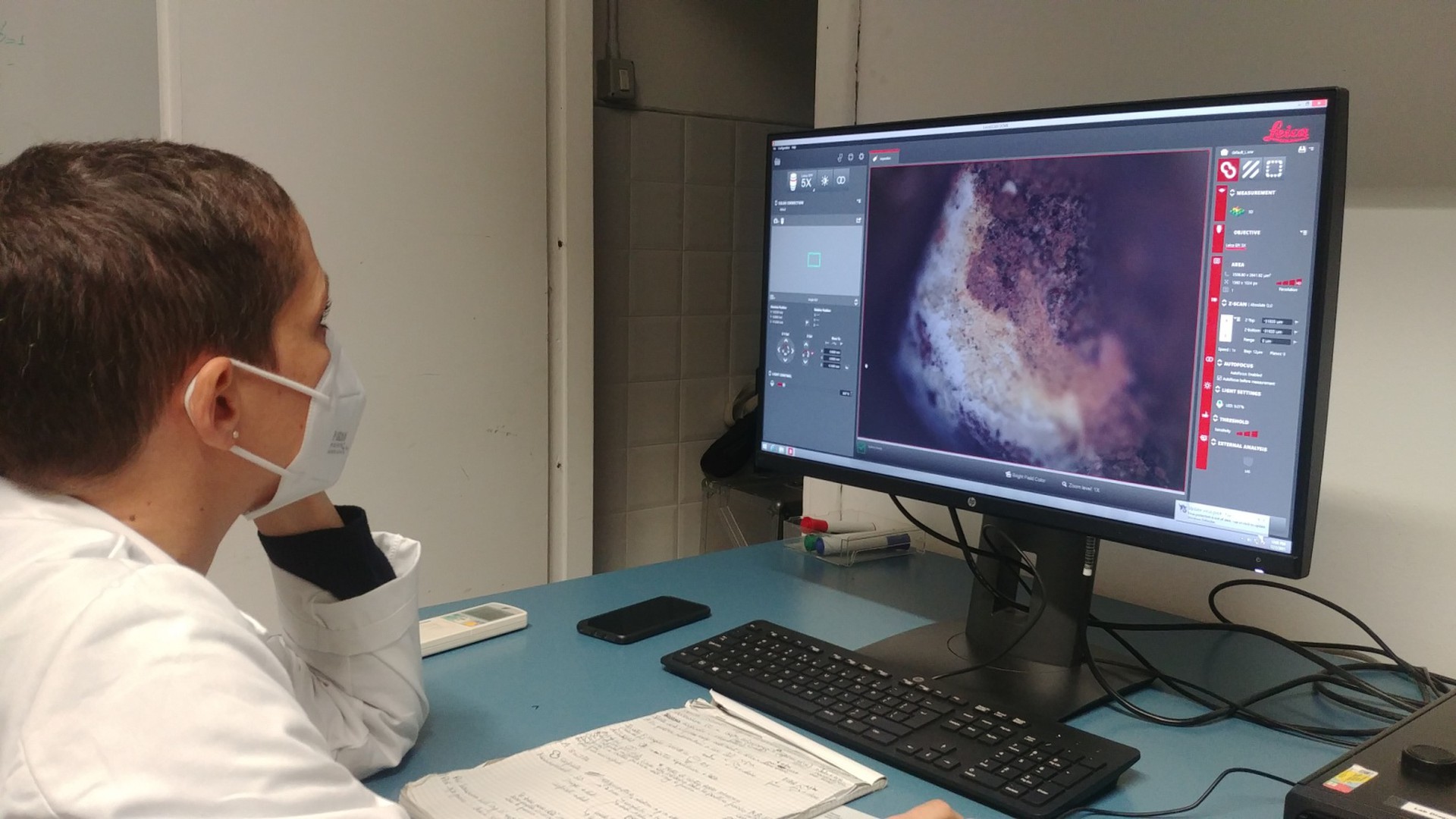
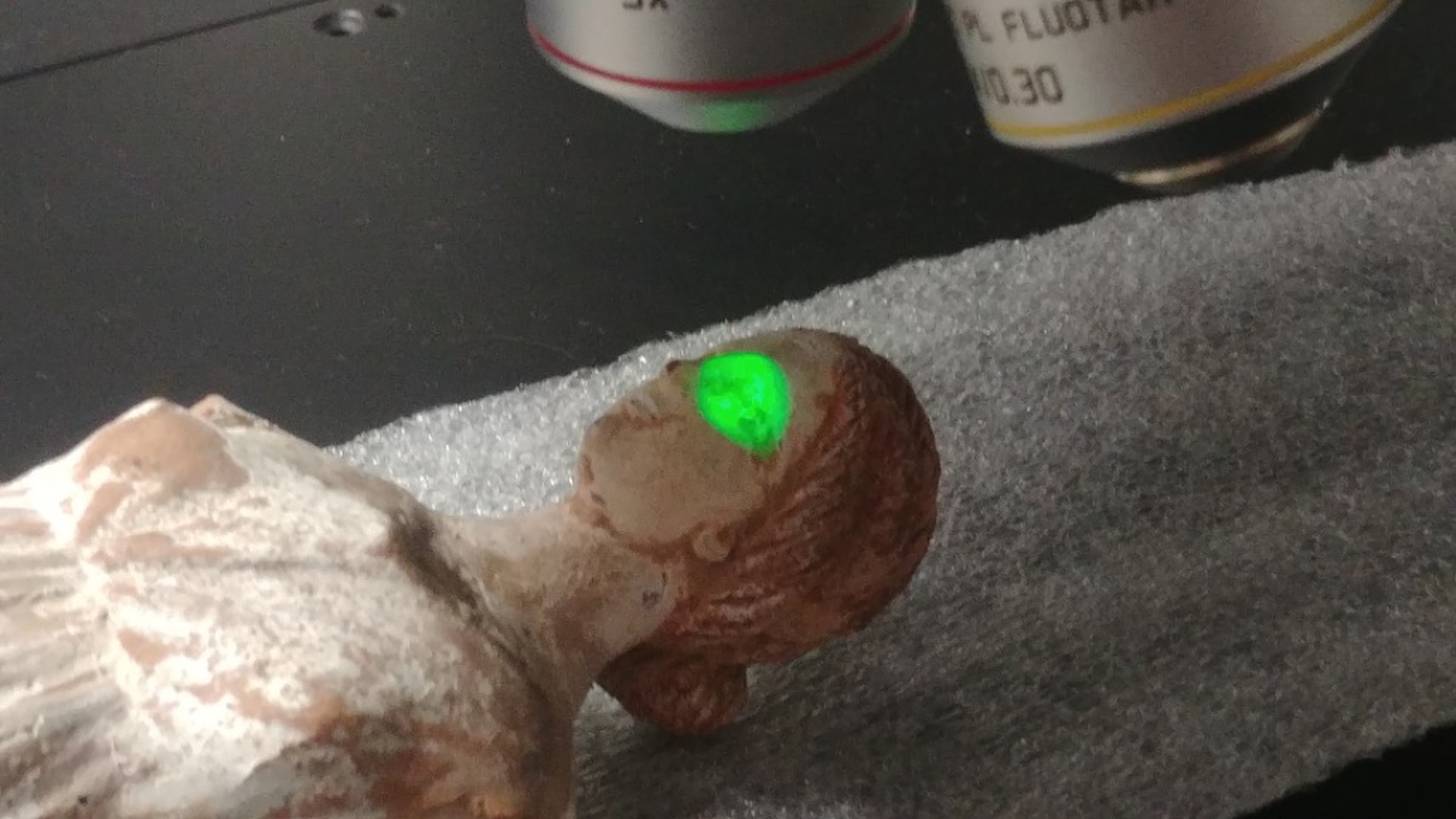
The restoration of the group of statuettes in terracotta, conserved in the Gregorian Egyptian Museum of the Vatican Museums, is in progress. The collection, consisting of materials of archeological provenance, presented numerous statuettes restored in modern times with antiquated techniques that are no longer in line with modern restoration criteria. Many of the statuettes, which appeared in private collections in the past, were displayed on exhibition supports using fixed elements made of wood and stucco or by making a hole directly inside the ceramic body for the insertion of iron pins or nails. Currently, the completion of one of the most delicate operations is taking place. It consists of the removal of these foreign materials and, in particular, in the extraction of iron pins. Their degradation caused cracks and loss of ceramic material. Thank you to the collaboration of the Scientific Laboratory for the Diagnostic and Restoration of the Museum. Restorers are dedicating part of the work to the reconstruction of the pigments and the study of the technical execution. These operations, preparatory to the restoration works, have highlighted the procedures followed by the coroplast in the realization of these artifacts. The investigations on the nature of pigments and their conservation have been useful to define the methodology of intervention for the restoration of the most delicate and polychromatic objects, allowing us to carry on this project that will be completed soon.

Seventy figurines in terracotta from the Egyptian collection
Details
Adopted by: The New York Chapter
Inventory: CDR 505537
Artist: Unknown
Provenience: Egypt
Classification: Figurines
Materials: Terracotta, Ceramic
Dimensions: Various
Museum: Gregorian Egyptian Museum
Department: Egyptian and Near Eastern Antiquities
Laboratory: Metals & Ceramics, Scientific Research
Description
The figure statuettes in the terracotta of this restoration and study consist of a collection of around 120 artifacts in the exposition of room VII of the Gregorian Egyptian Museum.
State of Preservation
Most of these artifacts preserve important traces of polychrome decoration. For this reason, in recent months, the Cabinet of Scientific Research of the Vatican Museums has begun an appropriate campaign aimed at the characteristics of the preparatory layers of the color white (laid on the surface of the ceramic body) and of the polychrome pigments, found as color variations in the shades of the ochre, red, pink, black and green. In particular, restorers found pigments based on Egyptian figurative details from the use of lacquer.
Research has been deepened in the current study of the ceramic body, which is a composition of clays. Fundamental data will identify the areas of manufacture and production of these artifacts from ancient Egypt and the Near East. The study will be carried by collecting analysis and data. Once appropriately selected and verified, the artifacts will be subject to treatment. The conservative restoration has not started yet because restorers are waiting for the results of the technical-scientific investigation campaign. Only a few specimens had a delicate removal of the superficial dust, which restorers carried out to optimize the investigation operations. For each statuette, detailed cards are being compiled to collect and compare all the data and observations obtained during the research and restoration work. Specifically, to date, this documentation includes the in-depth study of the techniques used to create the statuette, the preparatory layers of color, the type of polychromy, and the results of the first diagnostic investigations. In collaboration with the Scientific Laboratory and addressing the conservation of the artifacts, the identification or innovative formulation of a product that can be safely used on the statuettes is being studied.
Restoration Procedures
The restoration work involved a group of figurative terracotta figurines, preserved in the Gregorian Egyptian Museum of the Vatican Museums and dated from the Ptolemaic and Coptic periods (III B.C. - VI A.D.). The state of preservation of these artifacts was very diverse, mainly due to the presence or absence of polychrome decorations and the inadequate reconstructions from recent times. For every specimen, even those that appear without color traces, the restoration intervention included monitoring of he operations by observation under an optical microscope. The principal objective was to remove the materials of previous conservative interventions, such as works of modern damaging materials (pins, adhesives, and stuccos), to treat the forms of alteration of the colors and earthenware mixtures, to clean and consolidate the traces of decoration, and to document and study the construction technique and painting technique together with the identification of the pigments. Among the peculiarities of this collection, a great number of examples belonging to the category of the “Grottesche” revealed the use of colors including lacquer-based colors, used mostly for the preparation of the pink tonality in the complexions. In addition, there are numerous figurines with traces of white for preparing the terracotta surfaces for pictorial decoration, which have been lost in many specimens. In collaboration with the Scientific Research Laboratory, restorers analyzed the pigments used for the pictorial decoration. They detected most of the colors, although present in traces and imperceptible to the naked eye, have been documented and analyzed for their recognition.
Media
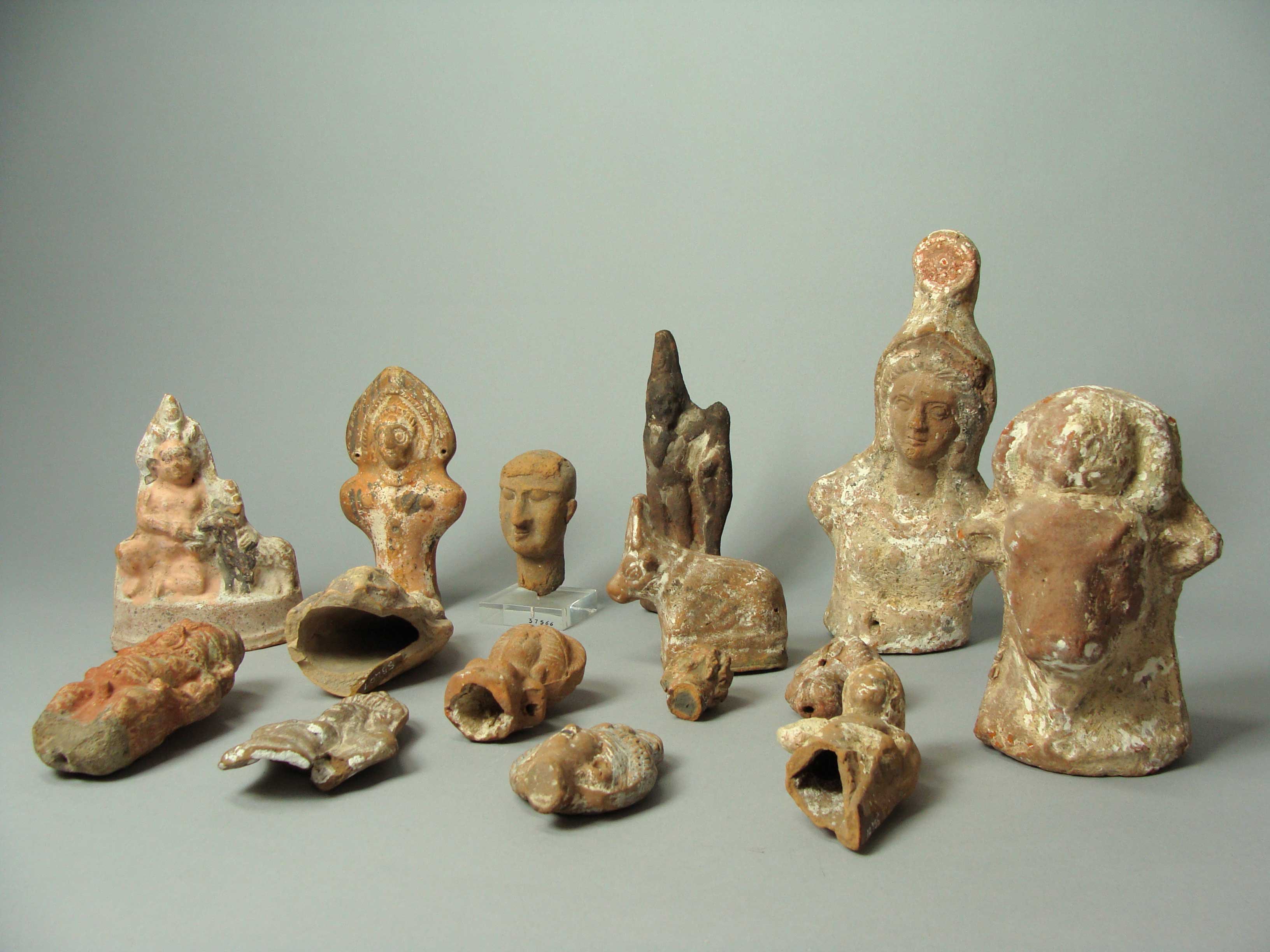
Seventy figurines in terracotta from the Egyptian collection
Restorations Update: Terracotta Statuettes of the Gregorian Egyptian Museum Restoration Report Update
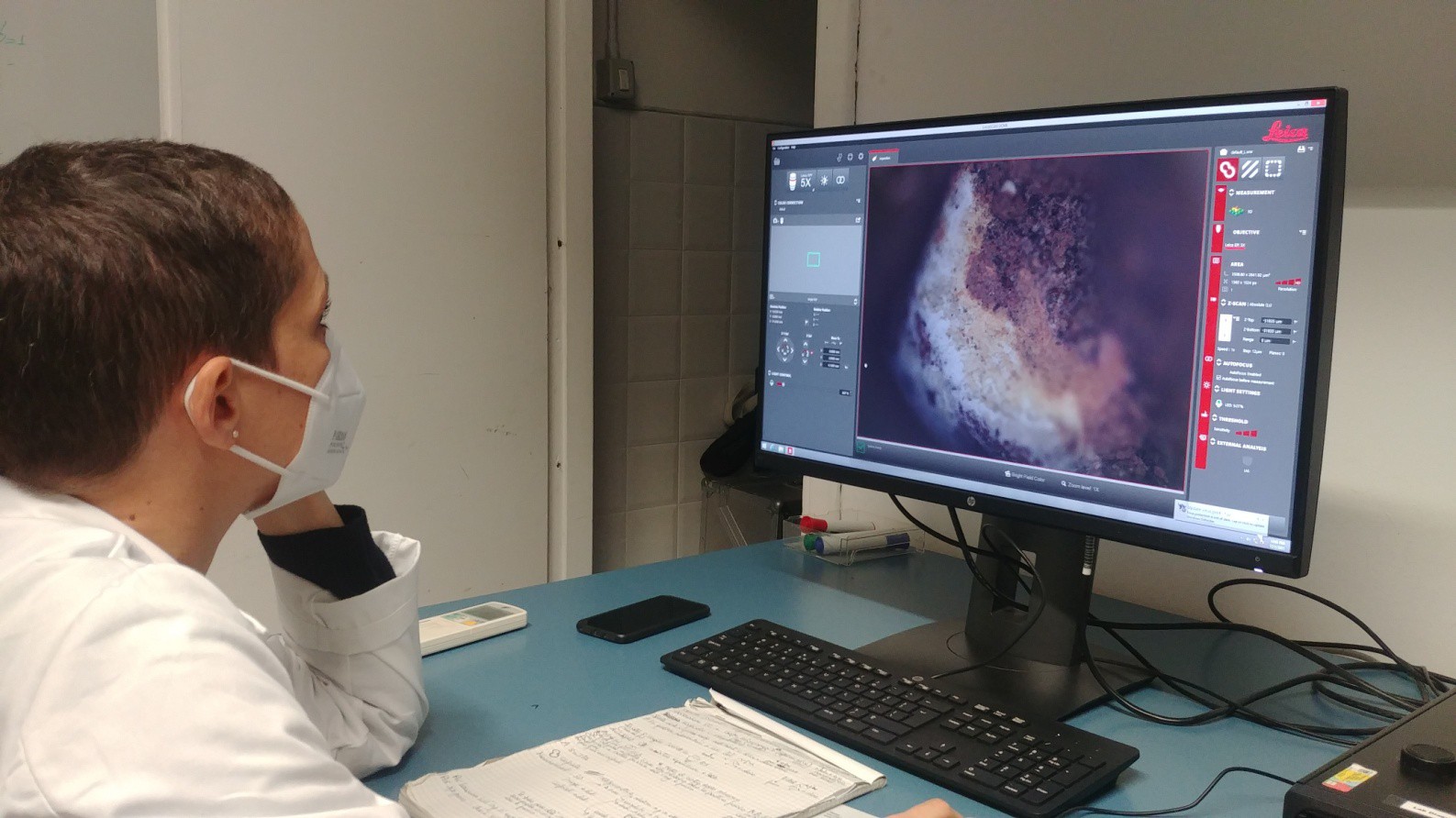
The restoration of the group of statuettes in terracotta, conserved in the Gregorian Egyptian Museum of the Vatican Museums, is in progress. The collection, consisting of materials of archeological provenance, presented numerous statuettes restored in modern times with antiquated techniques that are no longer in line with modern restoration criteria. Many of the statuettes, which appeared in private collections in the past, were displayed on exhibition supports using fixed elements made of wood and stucco or by making a hole directly inside the ceramic body for the insertion of iron pins or nails. Currently, the completion of one of the most delicate operations is taking place. It consists of the removal of these foreign materials and, in particular, in the extraction of iron pins. Their degradation caused cracks and loss of ceramic material. Thank you to the collaboration of the Scientific Laboratory for the Diagnostic and Restoration of the Museum. Restorers are dedicating part of the work to the reconstruction of the pigments and the study of the technical execution. These operations, preparatory to the restoration works, have highlighted the procedures followed by the coroplast in the realization of these artifacts. The investigations on the nature of pigments and their conservation have been useful to define the methodology of intervention for the restoration of the most delicate and polychromatic objects, allowing us to carry on this project that will be completed soon.
© 2026 Patrons of the Arts
in the Vatican Museums
Vatican Museums V-00120,
Vatican City State (Europe)
+39 0669864499