

Fourteen statues in the Atrium of Quattro Cancelli
Artist: Unknown
Date: 1st-2nd century A.D.
Classification: Statues
Dimensions: Various
Materials: Marble
Adopted By: The Florida Chapter
Description
HIGH PRIORITY PROJECT
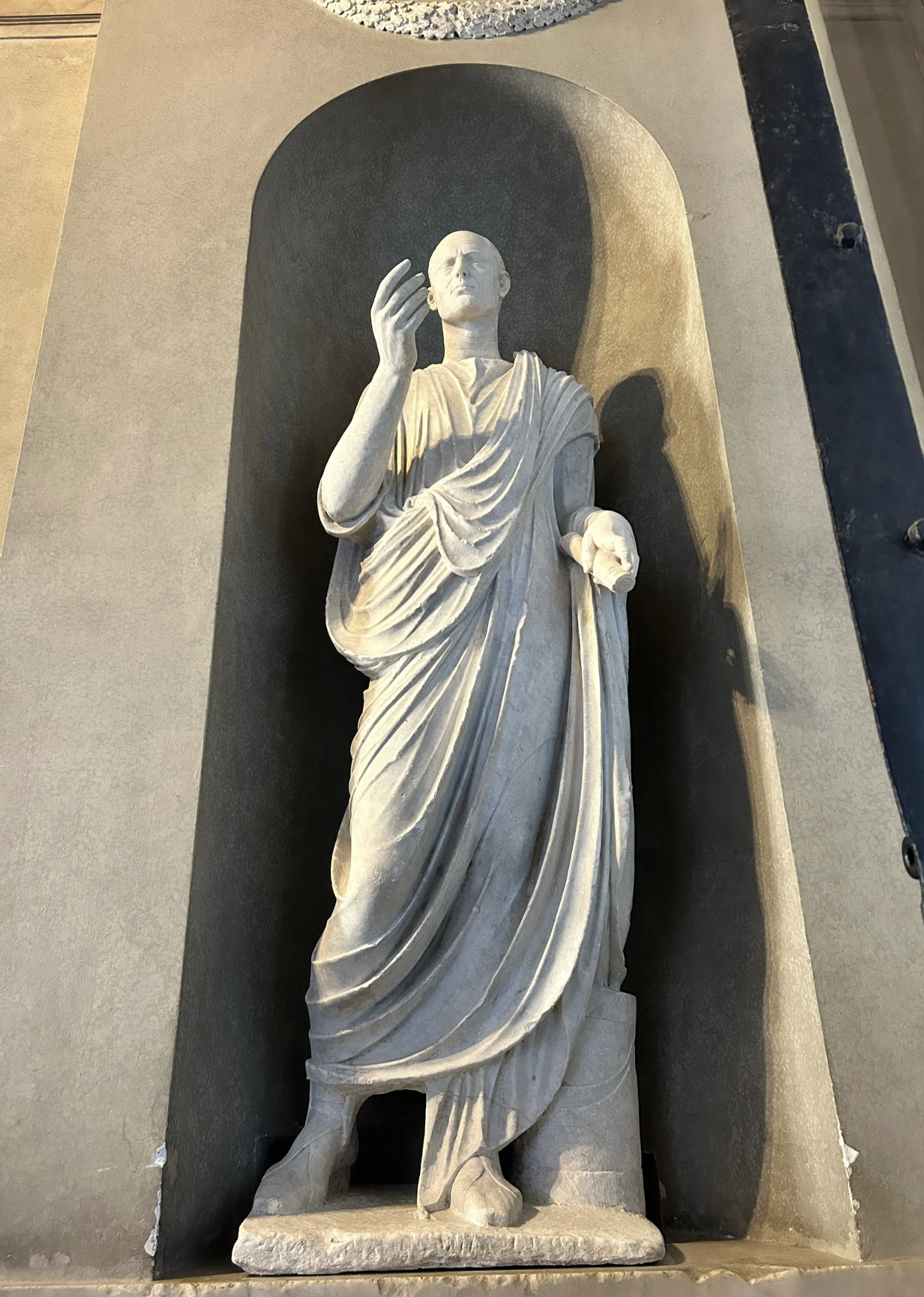
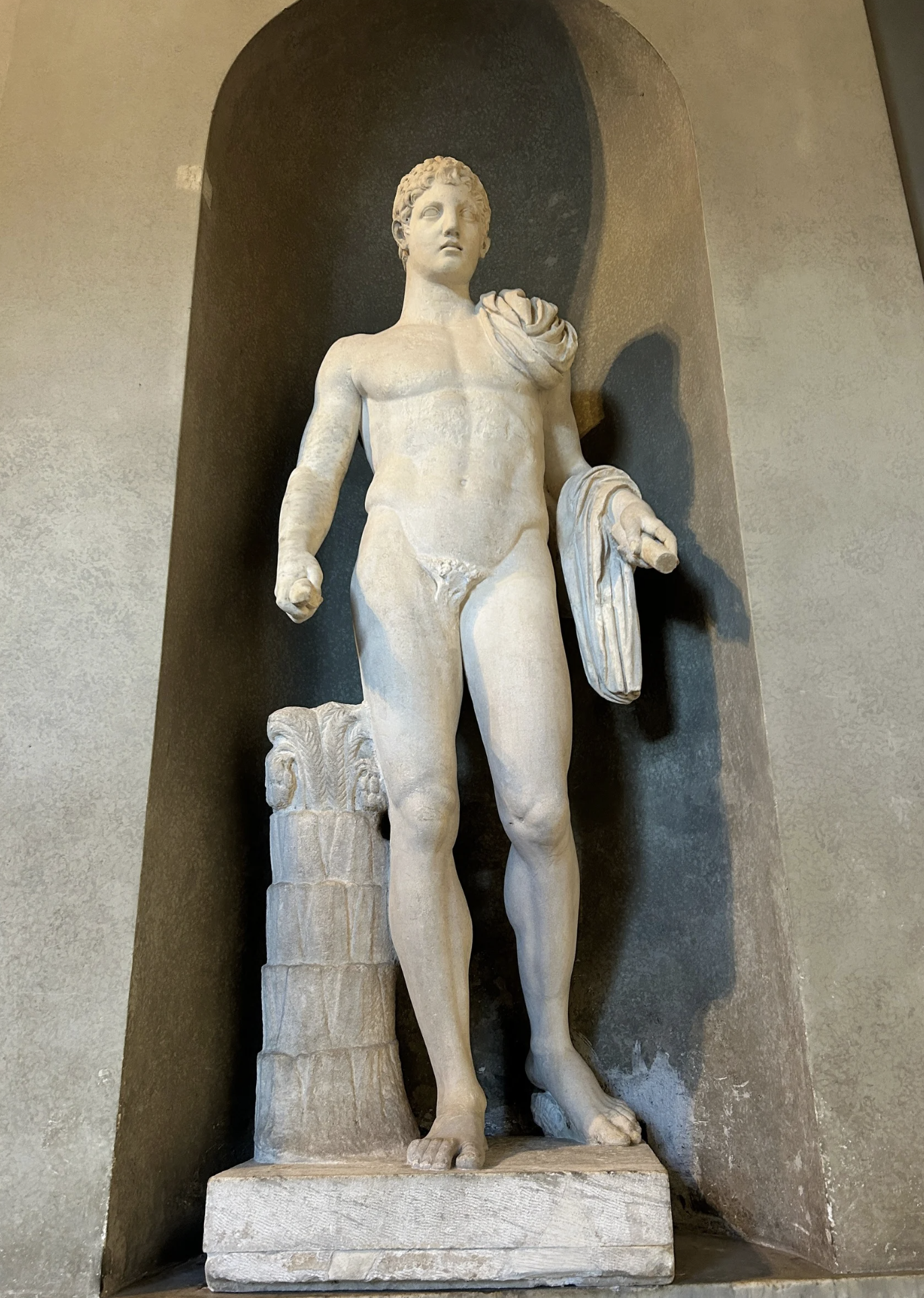
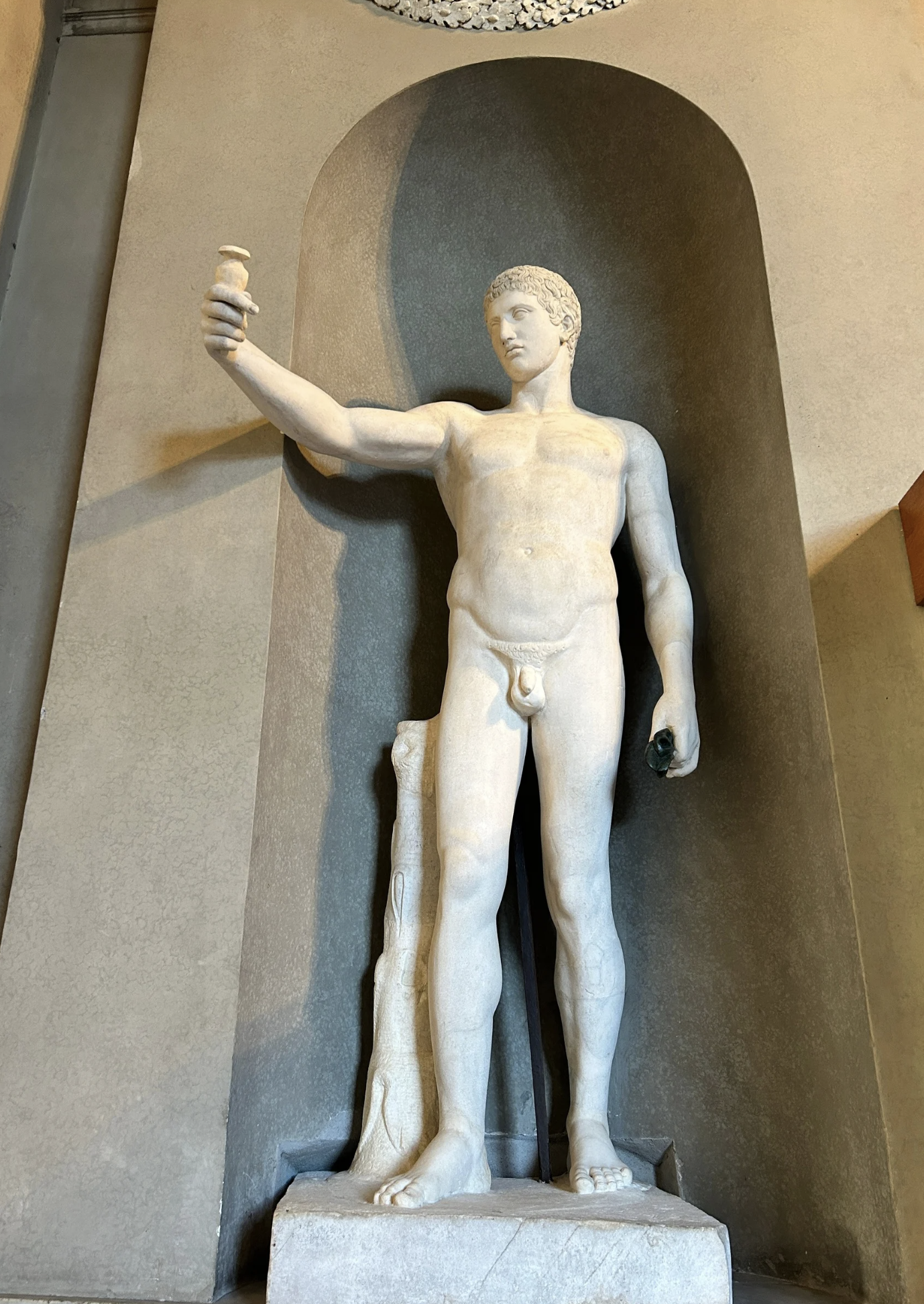
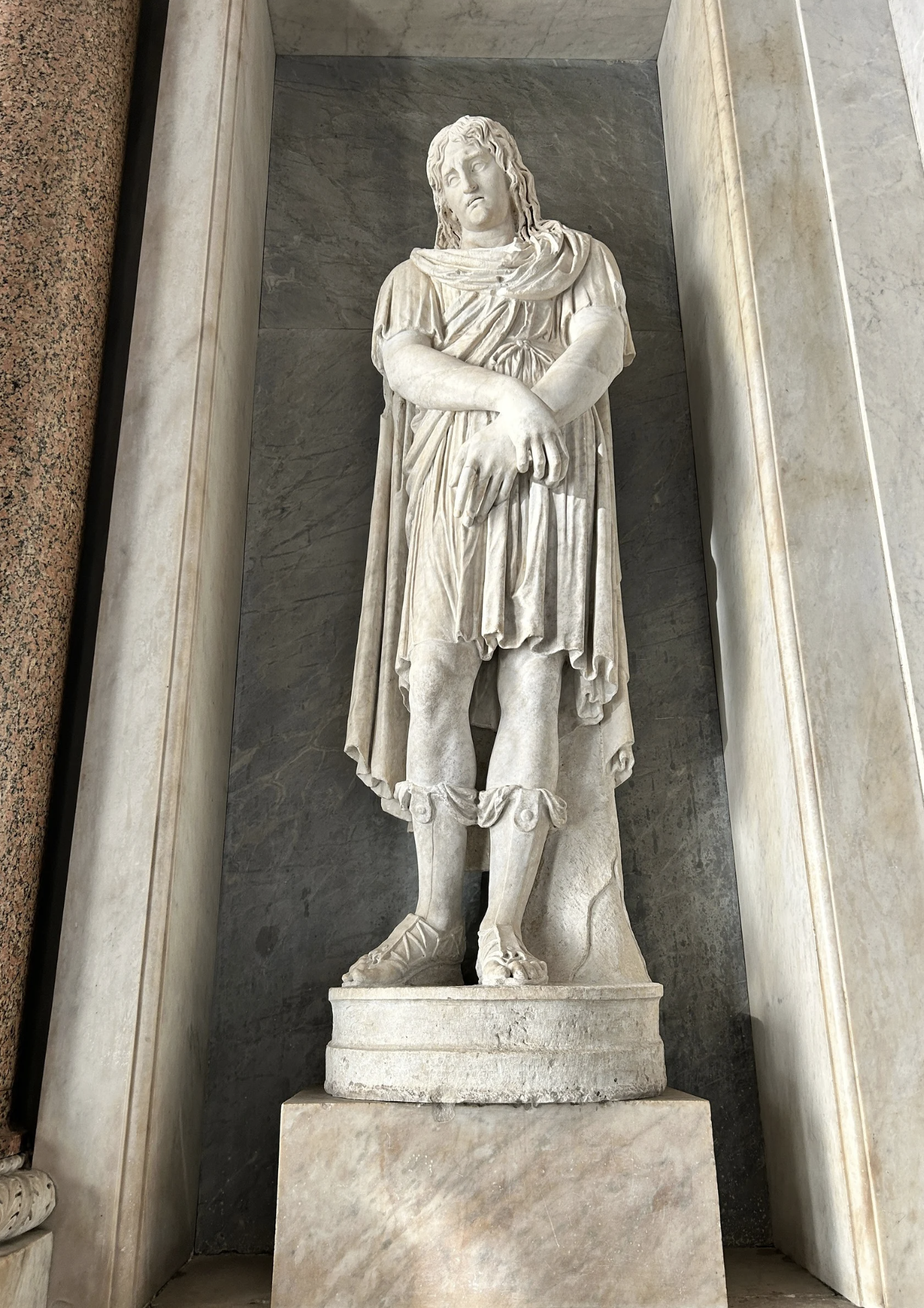
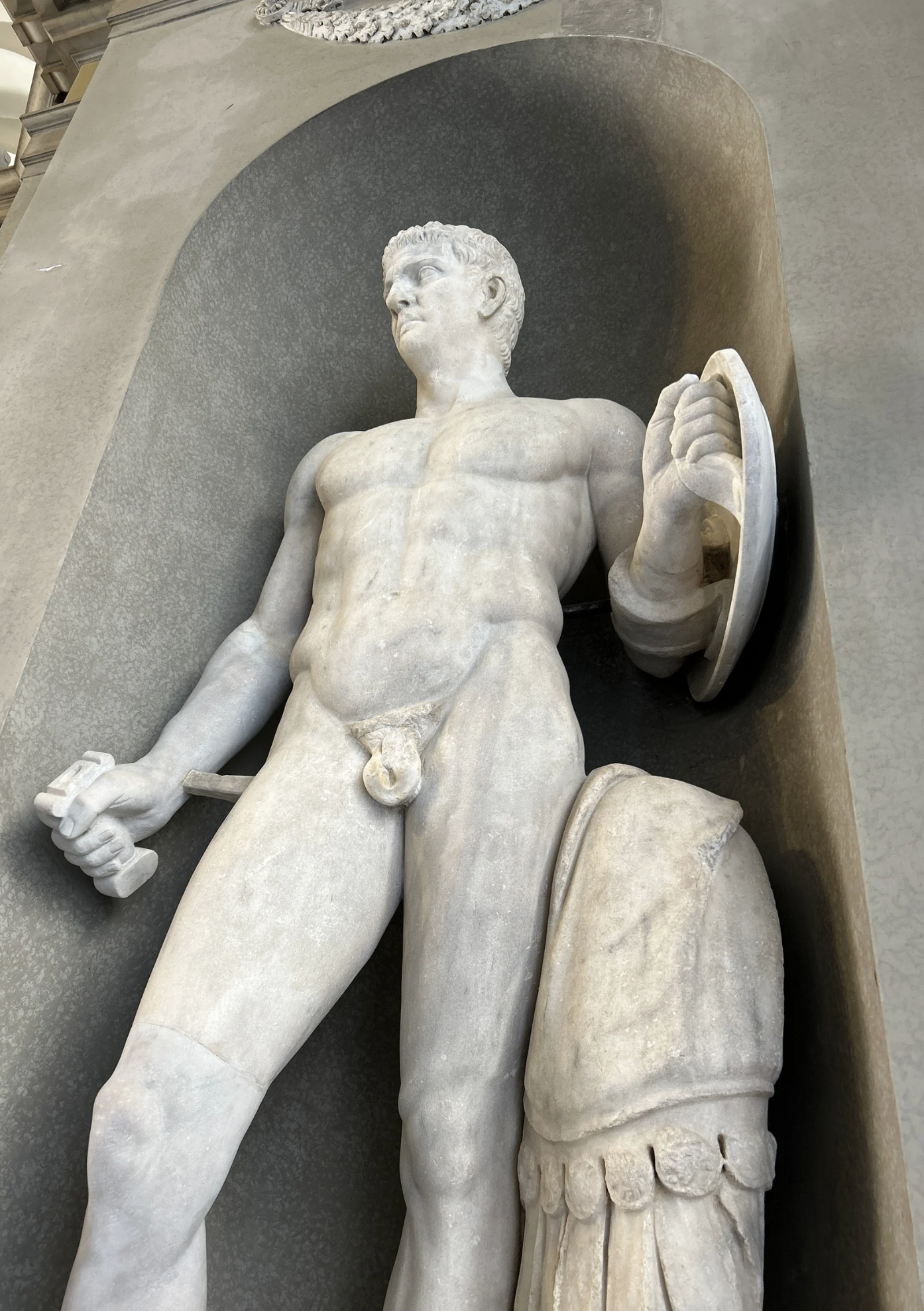
In 1786, Giuseppe Camporese created 12 sculptures and the compartment at the base of the Simonetti Staircase. They are in the niches that animate the façade of the Atrium of the Quattro Cancelli. Additionally, there are two sarcophagi next to the foot of the staircase. They are an acquisition of marble from the end of the 1700s and the start of the 1800s. They include additions and reworkings by various sculptor restorers of that time. Many have not received work for numerous decades, and there are obvious and serious repercussions to their state of preservation. These are idealistic sculptures in style, mostly athletic figures and portrait statues with a valuable and unique statue of a barbarian warrior from the Aldobrandini collection. One of the sarcophagi with a lid has various decorations including a pair of mythical griffins (a creature with the body, tail, and back legs of a lion and the head and wings of an eagle) with clusters of plant finials.
TOTAL COST: € 190.274,35 ($ 185,974.15)
State of Preservation
- Moving the works in the laboratory
- Cleaning of the surfaces
- Removal of the previous restorations considered unsuitable
- Partial disassembly of some elements (where necessary)
- Reassembly of detached parts and static verification
- Grouting and pictorial retouching
Detail
Adopted By:
The Florida ChapterInventory N°: Various
Artist: Unknown
Date: 1st-2nd century A.D.
Dimensions: Various
Materials: Marble
Department:
Greek and Roman AntiquitiesLaboratories:
Stone MaterialsWishbook year: 2023
Fourteen statues in the Atrium of Quattro Cancelli - Final Restoration Report
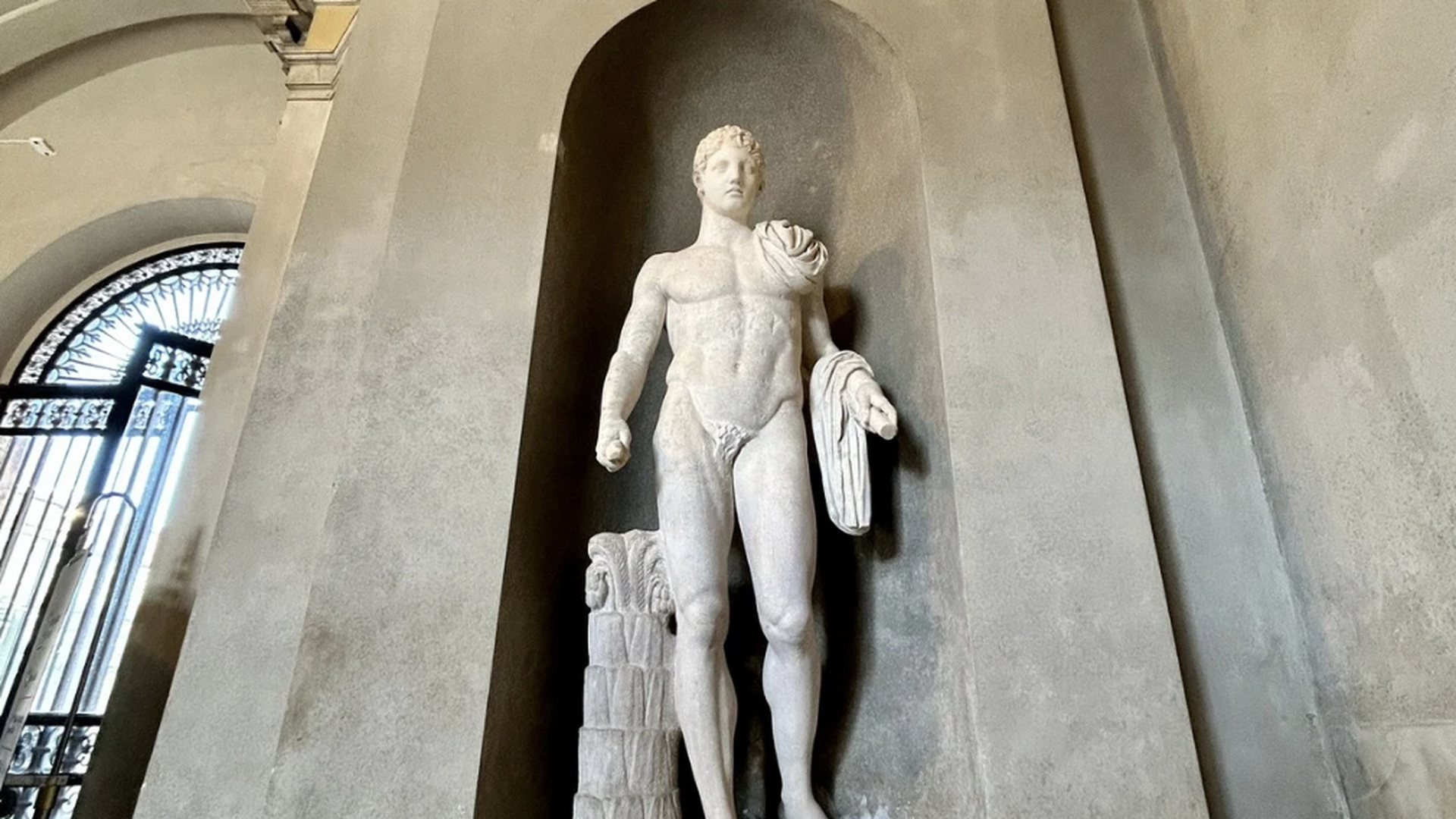
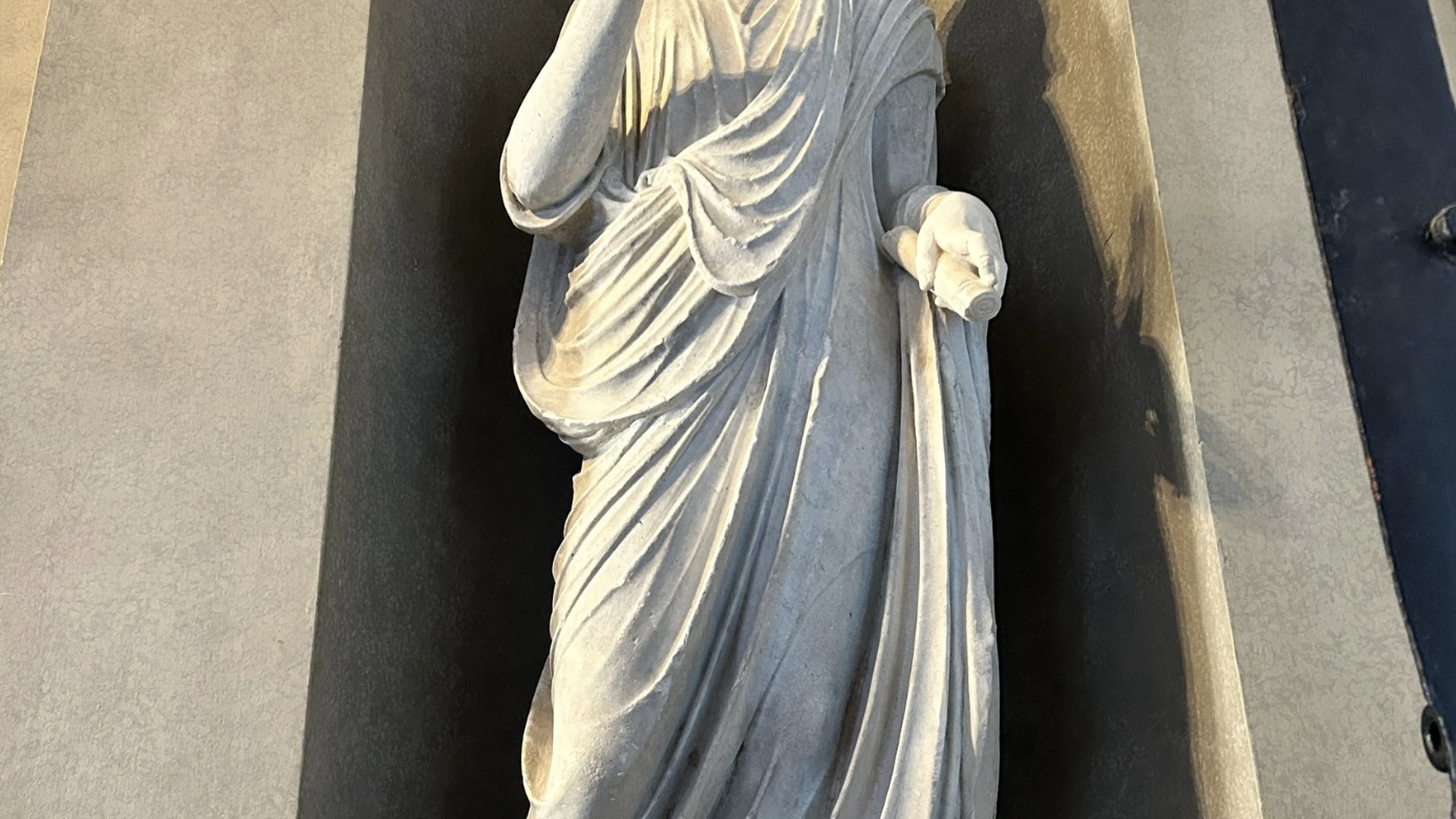
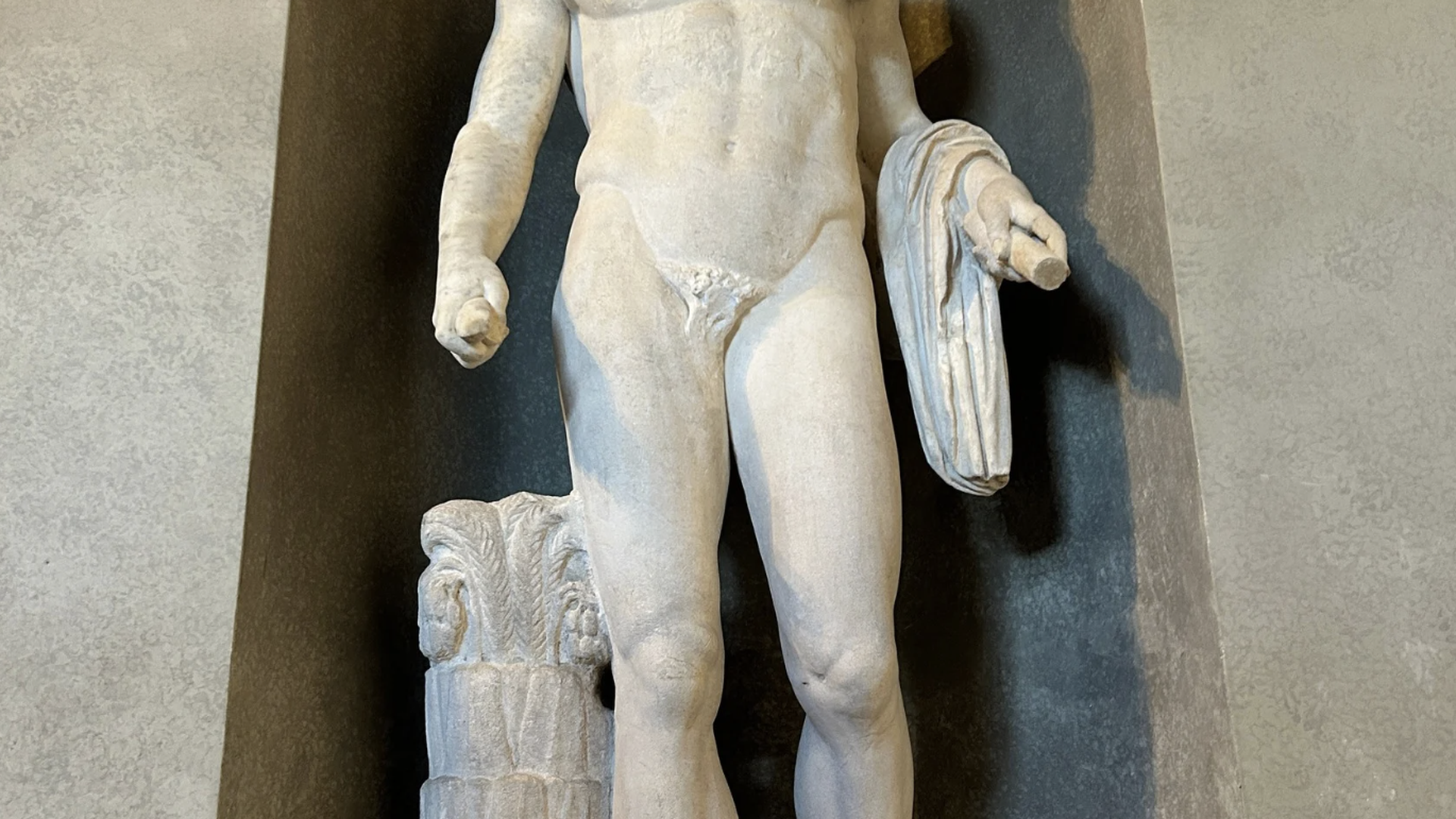
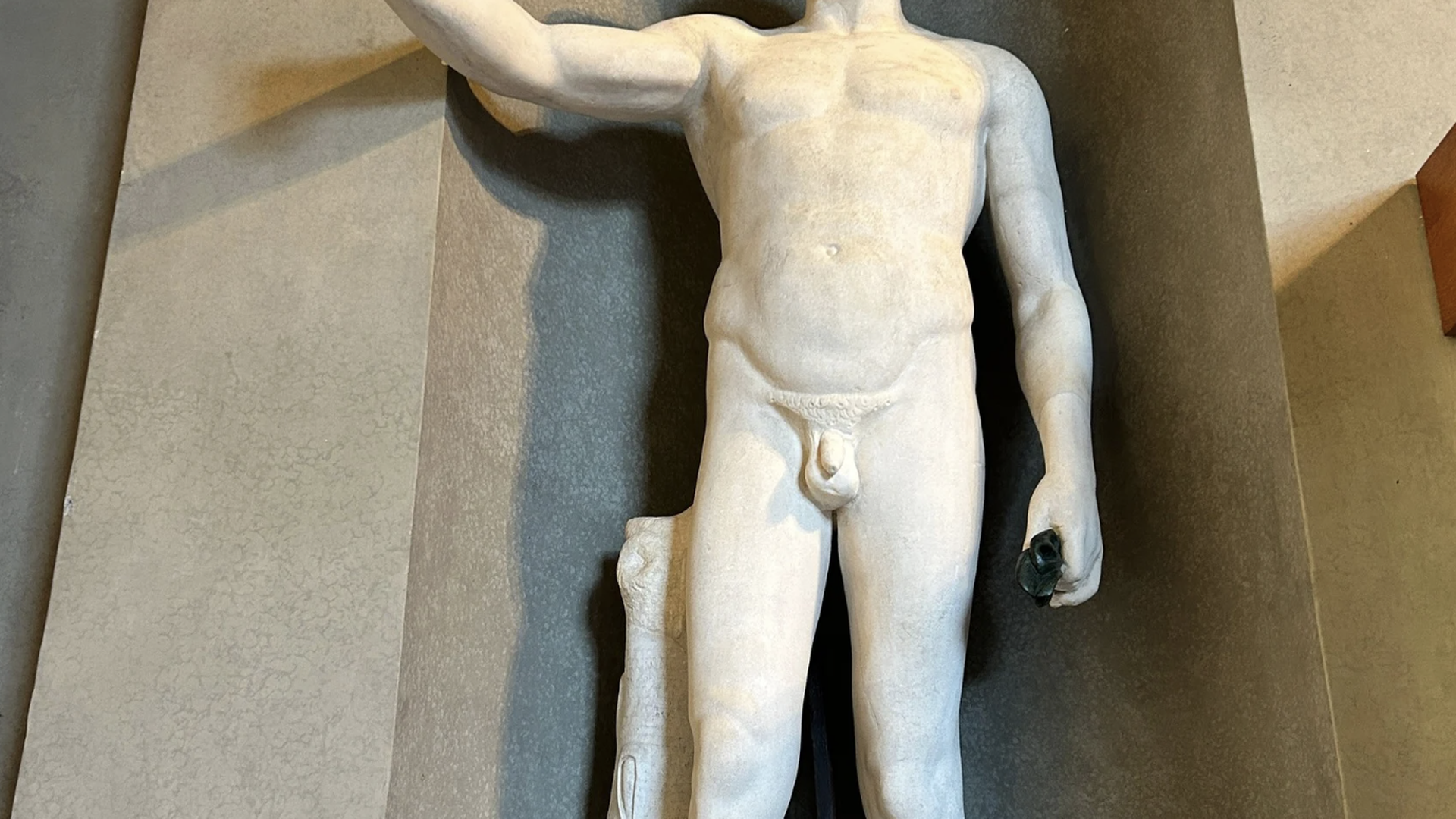
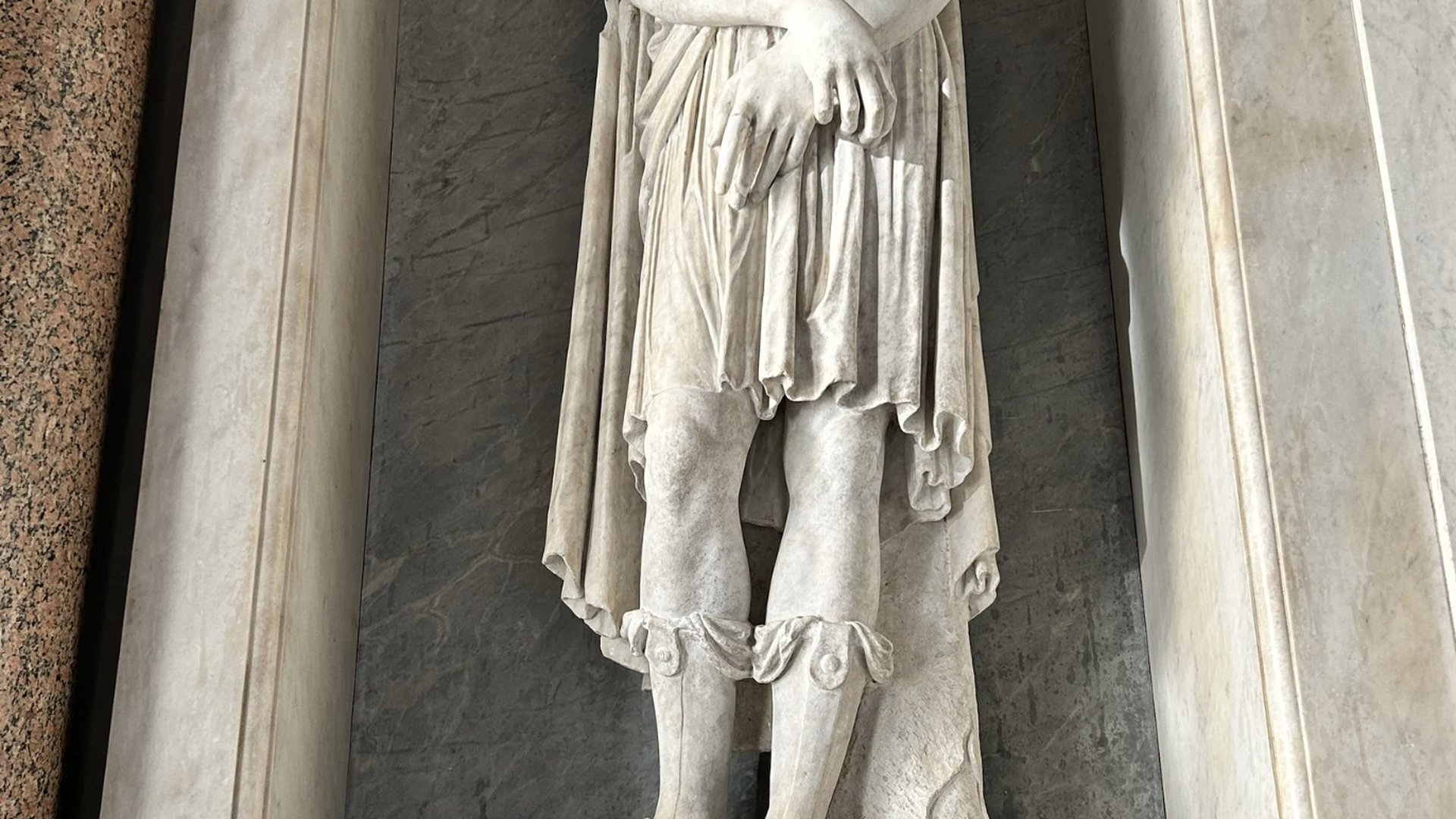
The restoration of the marble sculptures and sarcophagi in the niches of the Atrium of Quattro Cancelli and at the foot of the Simonetti Staircase was completed in February 2025.
The plastering and retouching of the works, which were already at an advanced stage, were completed: the statues of the Statue of a Roman Togatus and of the Statue of an Athlete were relocated to their niches in the Atrium of Quattro Cancelli. At the same time, the Sarcophagus with Puti and Clypeus remained temporarily in the Mithras Room of the Gregorian Profane Museum, awaiting the new arrangement of the Simonetti Staircase.
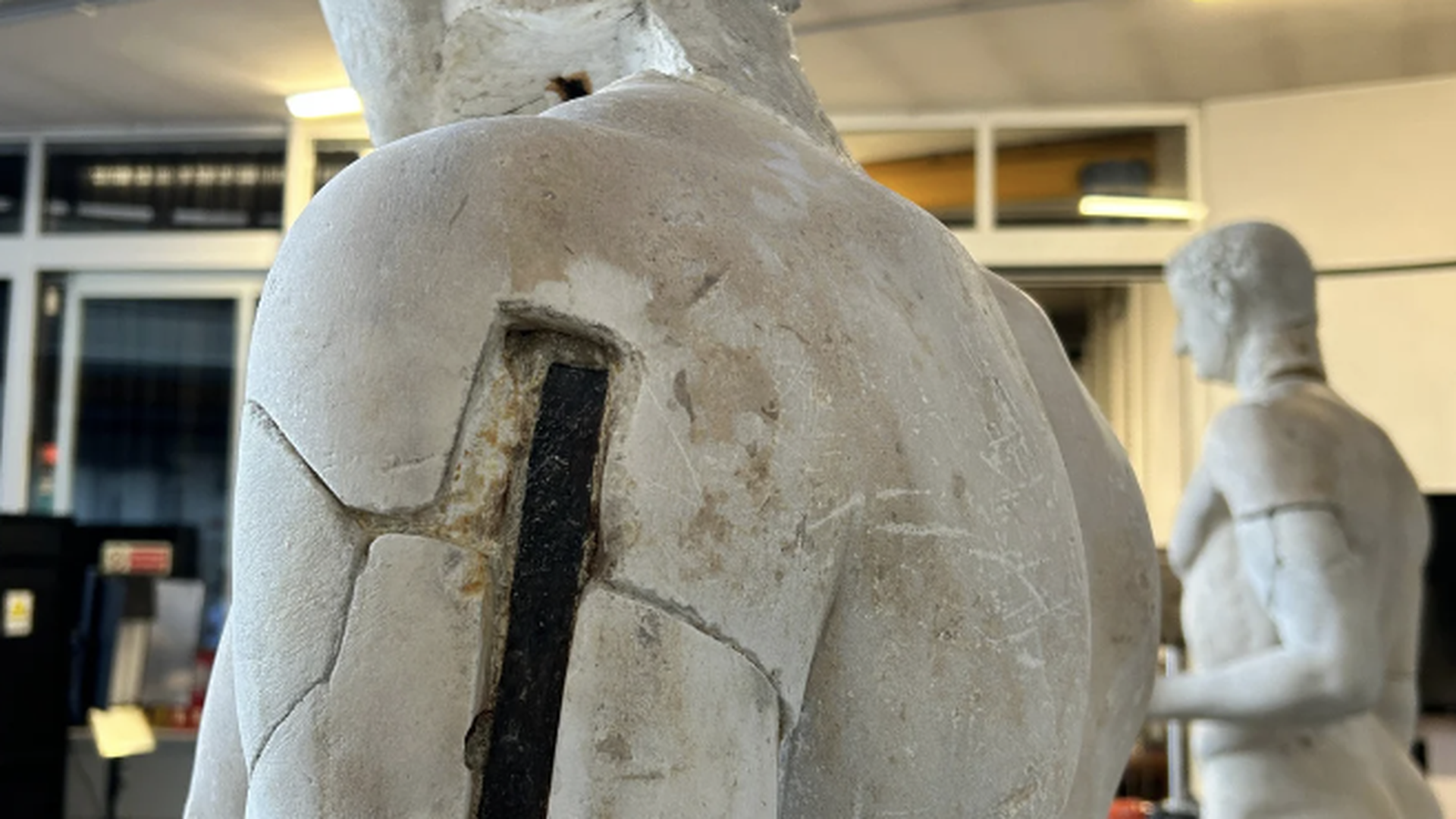
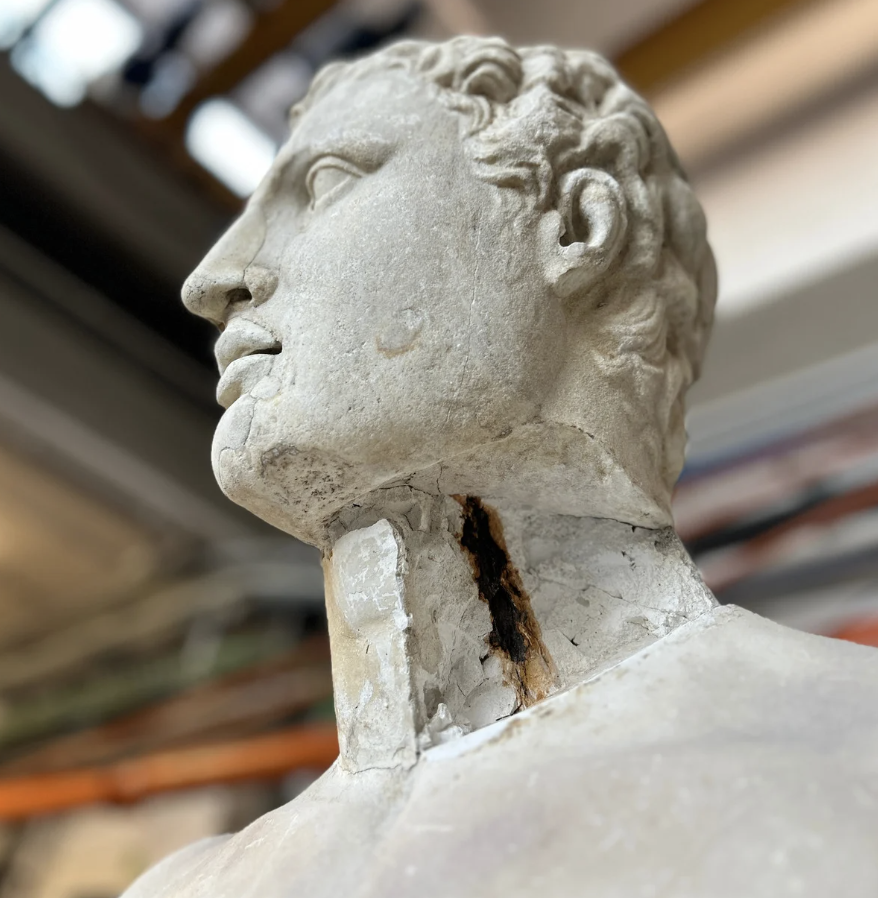
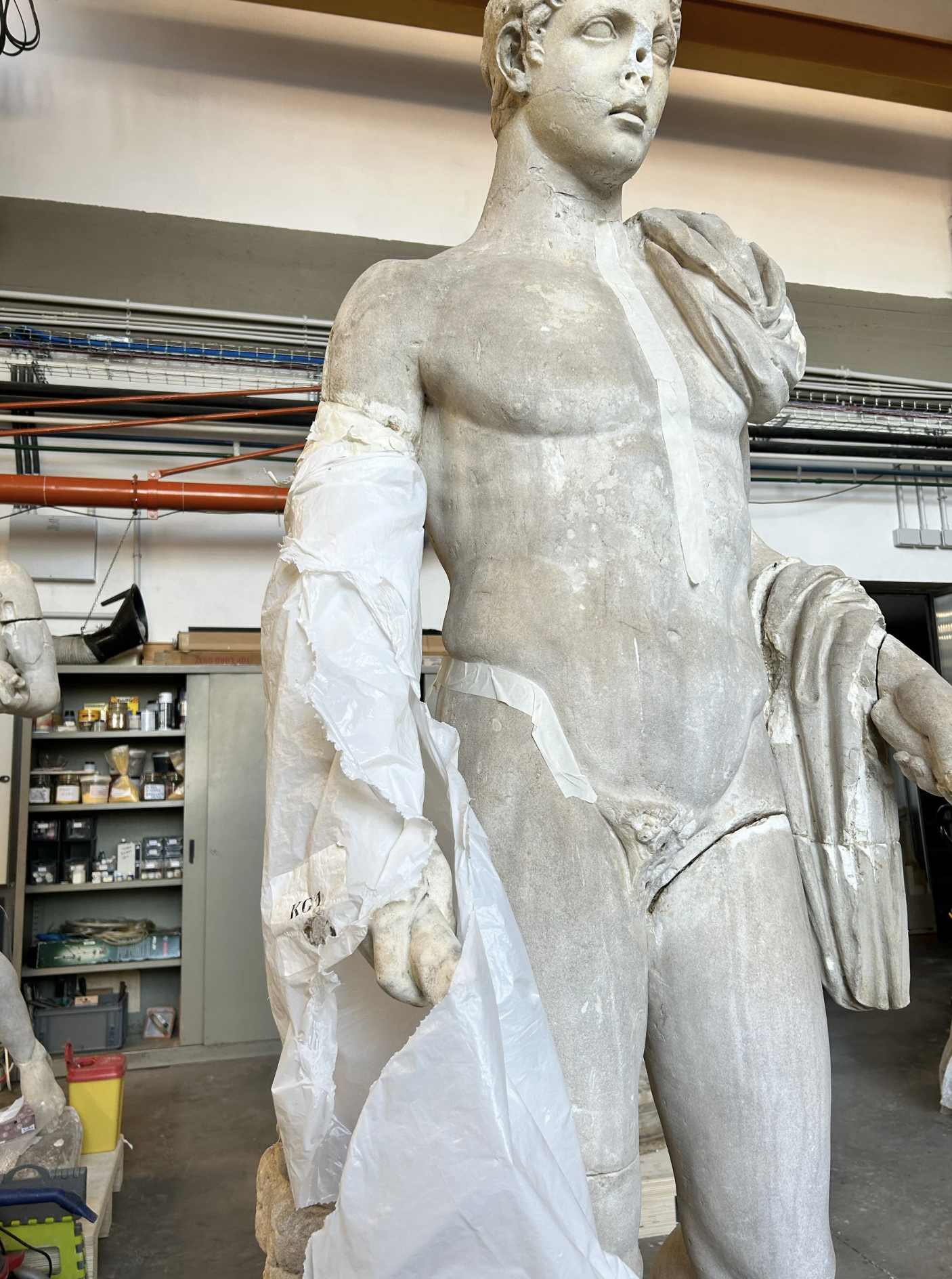
The restorers carefully calibrated the cleaning of the Hercules at rest to avoid any color discrepancies of the various added fragments and inlays in different marbles. For this reason, they combined several chemical cleanings with laser finishing according to white shades. After cleaning, the right arm, which had come loose during handling, was reassembled.
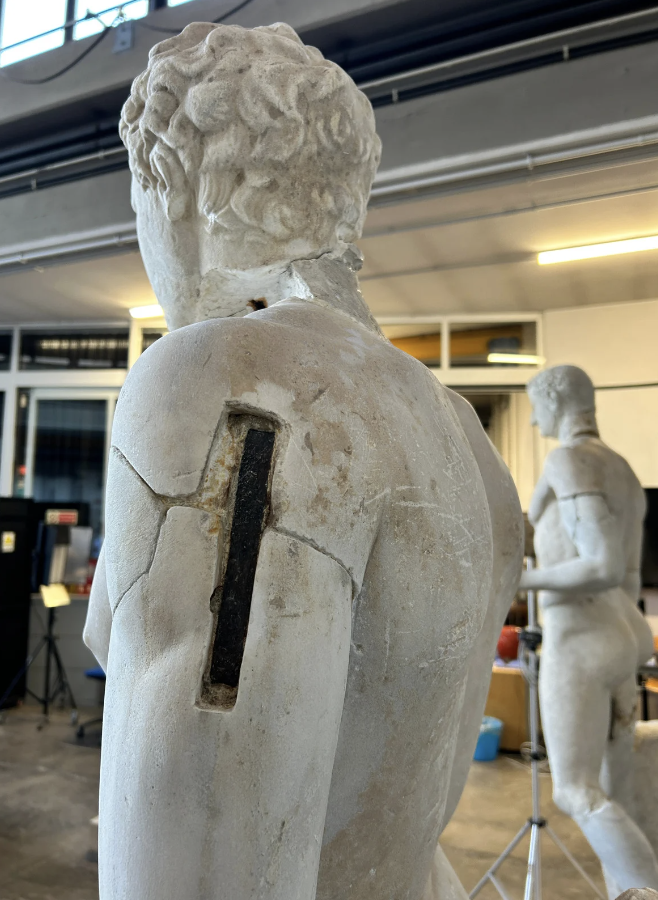
Given the good preservation of the previous pins - wrought-iron pins anchored in the torso by lead - restorers decided to reuse them.
The restorers prepared the surface and then applied the glue only to the contact surfaces, while the pins were used as mechanical supports to prevent the arm from falling in the event of a bonding failure, thus ensuring the full reversibility of the intervention. To reduce the visual impact, restorers retouched the plaster and some more prominent marks on the stone surfaces.
Fourteen statues in the Atrium of Quattro Cancelli - Restoration Update
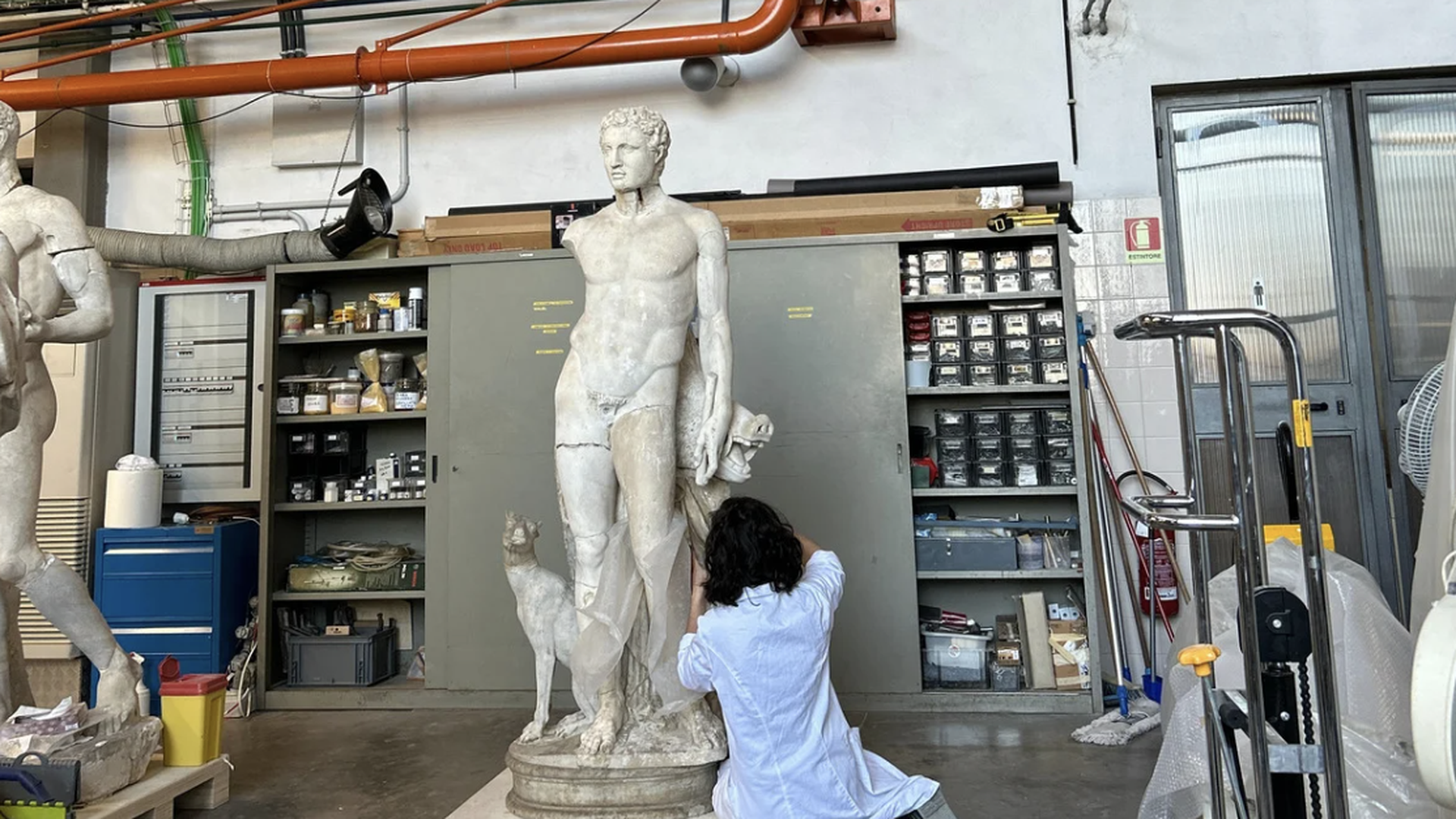
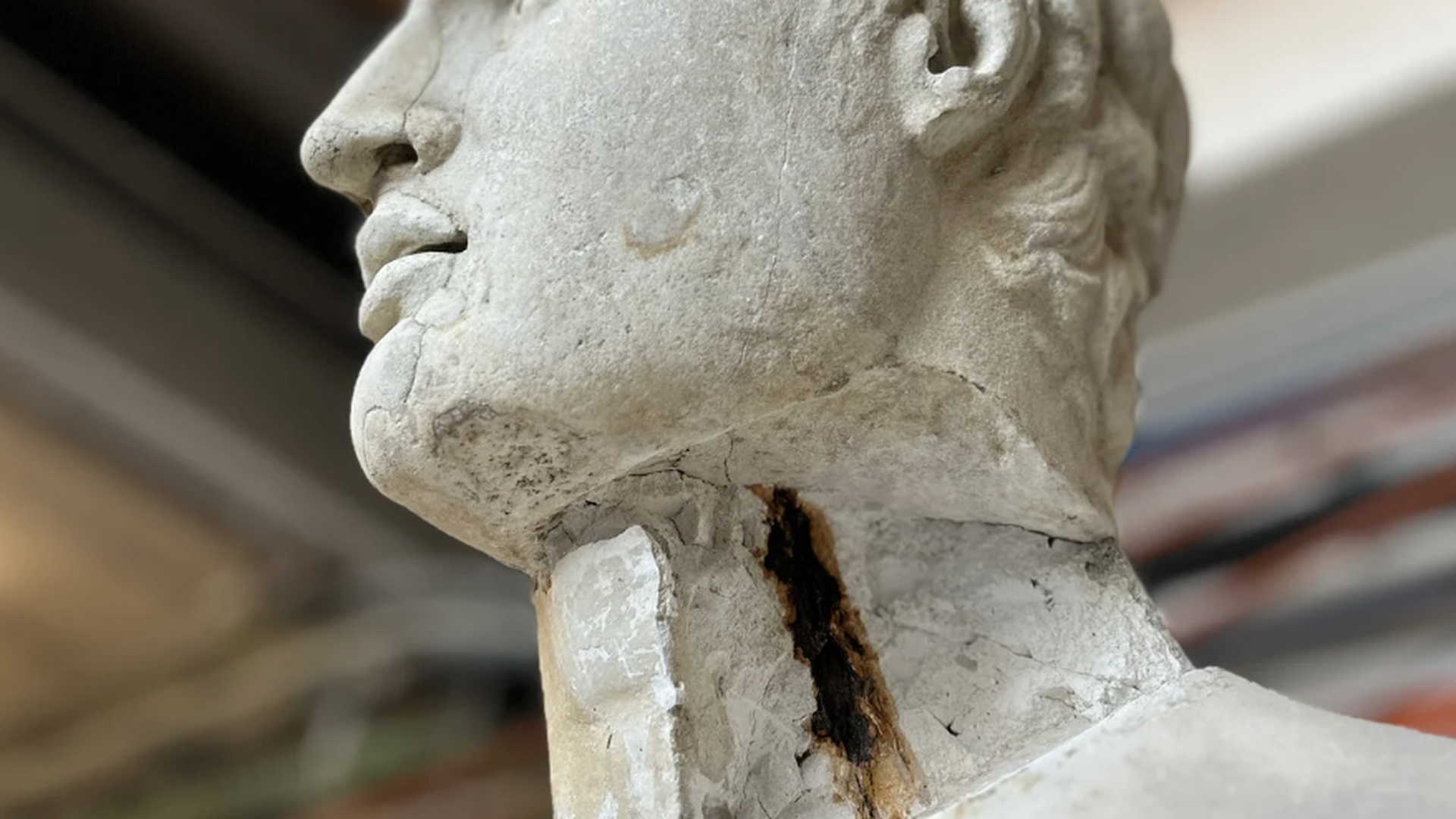
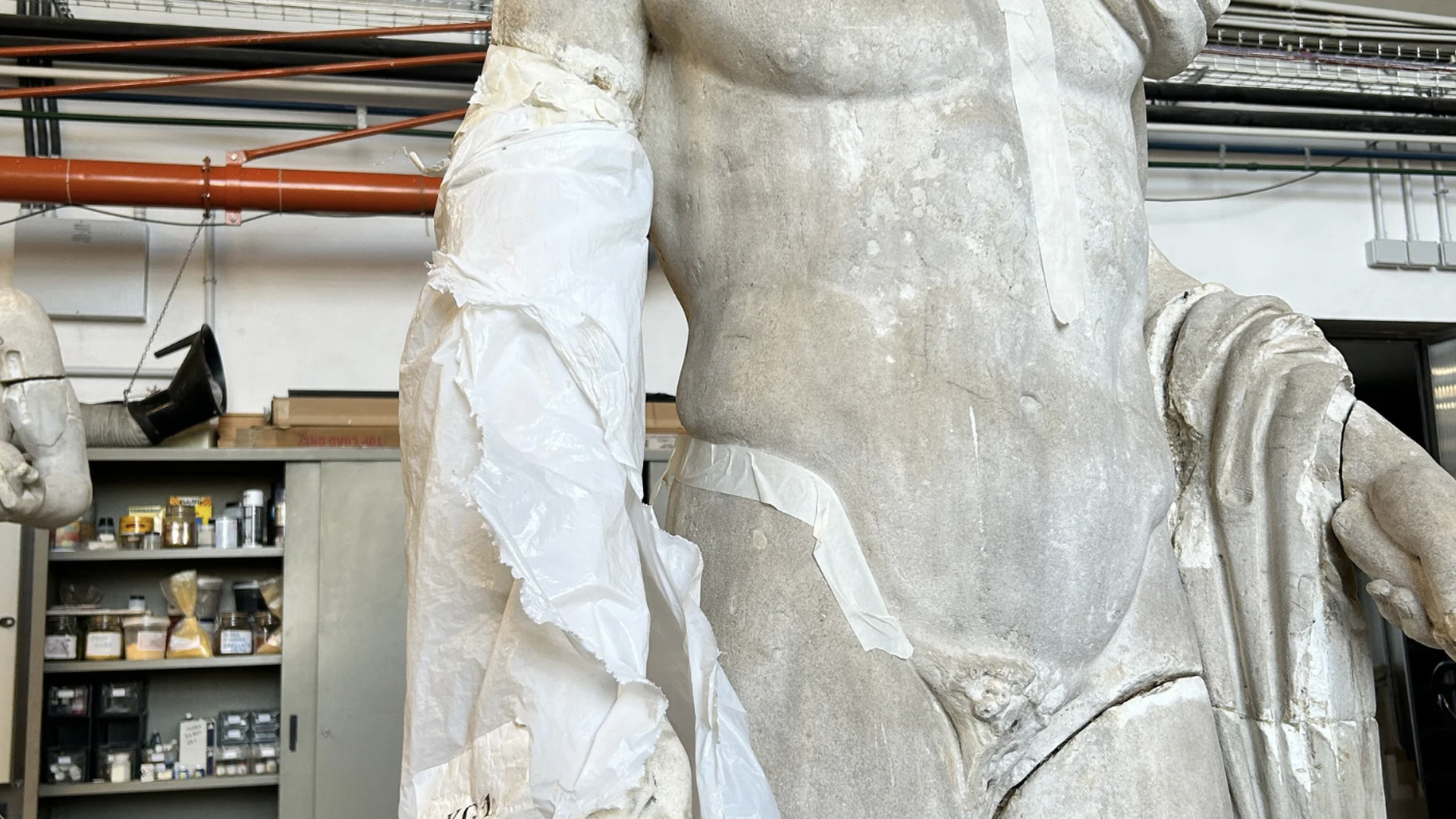
After the statues were transferred from the Atrium of the Quattro Cancelli (Four Gates) to the Stone Materials Laboratory, restorers began the necessary restoration procedures, which currently consist of:
- Cleaning of the surfaces
- Removal of the previous restorations considered unsuitable
- Partial disassembly of some elements (where necessary)

Fourteen statues in the Atrium of Quattro Cancelli
Details
Adopted by: The Florida Chapter
Inventory: Various
Artist: Unknown
Date: 1st-2nd century A.D.
Classification: Statues
Materials: Marble
Dimensions: Various
Department: Greek and Roman Antiquities
Laboratory: Stone Materials
Wishbook year: 2023
Description
HIGH PRIORITY PROJECT
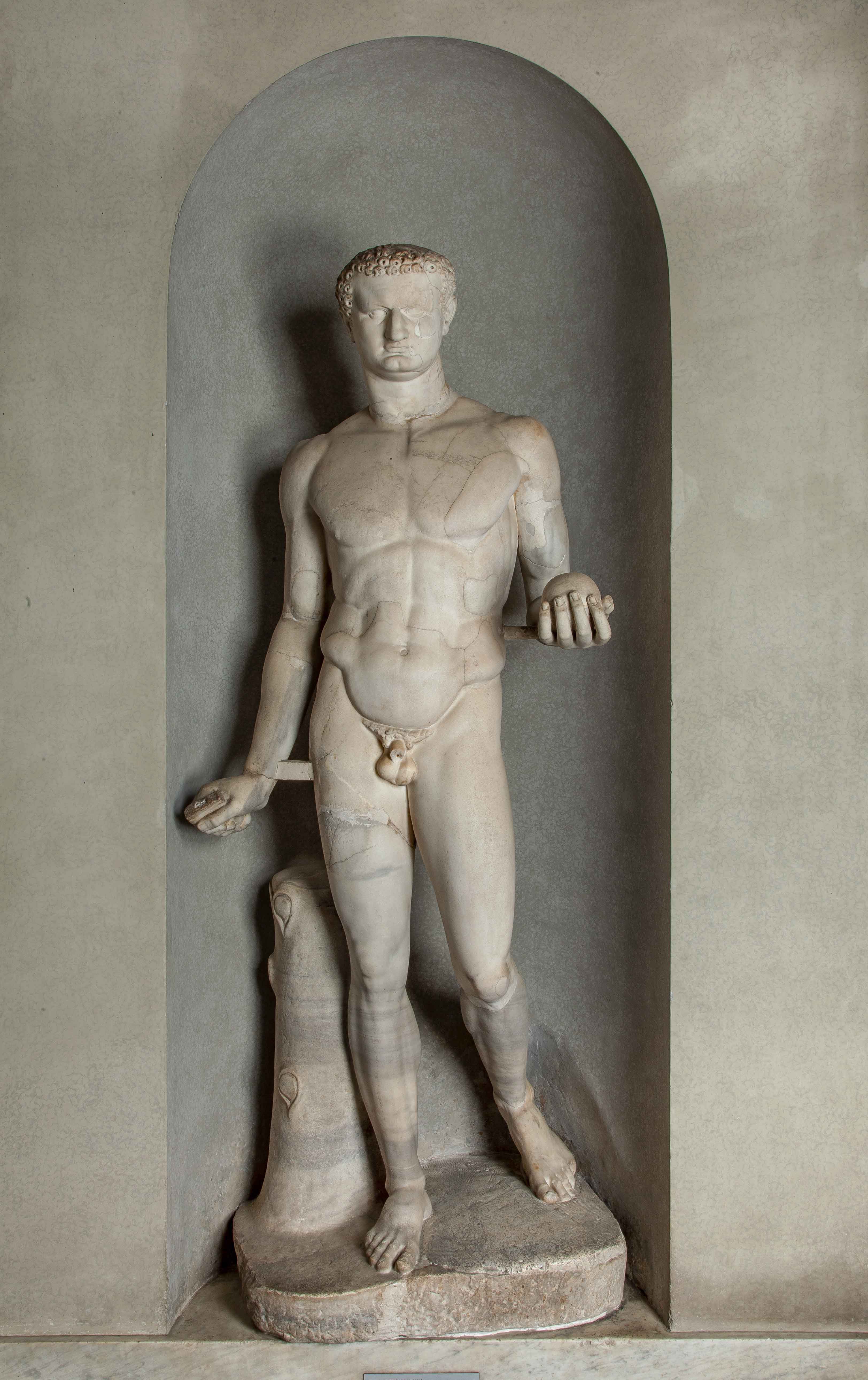
In 1786, Giuseppe Camporese created 12 sculptures and the compartment at the base of the Simonetti Staircase. They are in the niches that animate the façade of the Atrium of the Quattro Cancelli. Additionally, there are two sarcophagi next to the foot of the staircase. They are an acquisition of marble from the end of the 1700s and the start of the 1800s. They include additions and reworkings by various sculptor restorers of that time. Many have not received work for numerous decades, and there are obvious and serious repercussions to their state of preservation. These are idealistic sculptures in style, mostly athletic figures and portrait statues with a valuable and unique statue of a barbarian warrior from the Aldobrandini collection. One of the sarcophagi with a lid has various decorations including a pair of mythical griffins (a creature with the body, tail, and back legs of a lion and the head and wings of an eagle) with clusters of plant finials.
TOTAL COST: € 190.274,35 ($ 185,974.15)
State of Preservation
- Moving the works in the laboratory
- Cleaning of the surfaces
- Removal of the previous restorations considered unsuitable
- Partial disassembly of some elements (where necessary)
- Reassembly of detached parts and static verification
- Grouting and pictorial retouching
Media
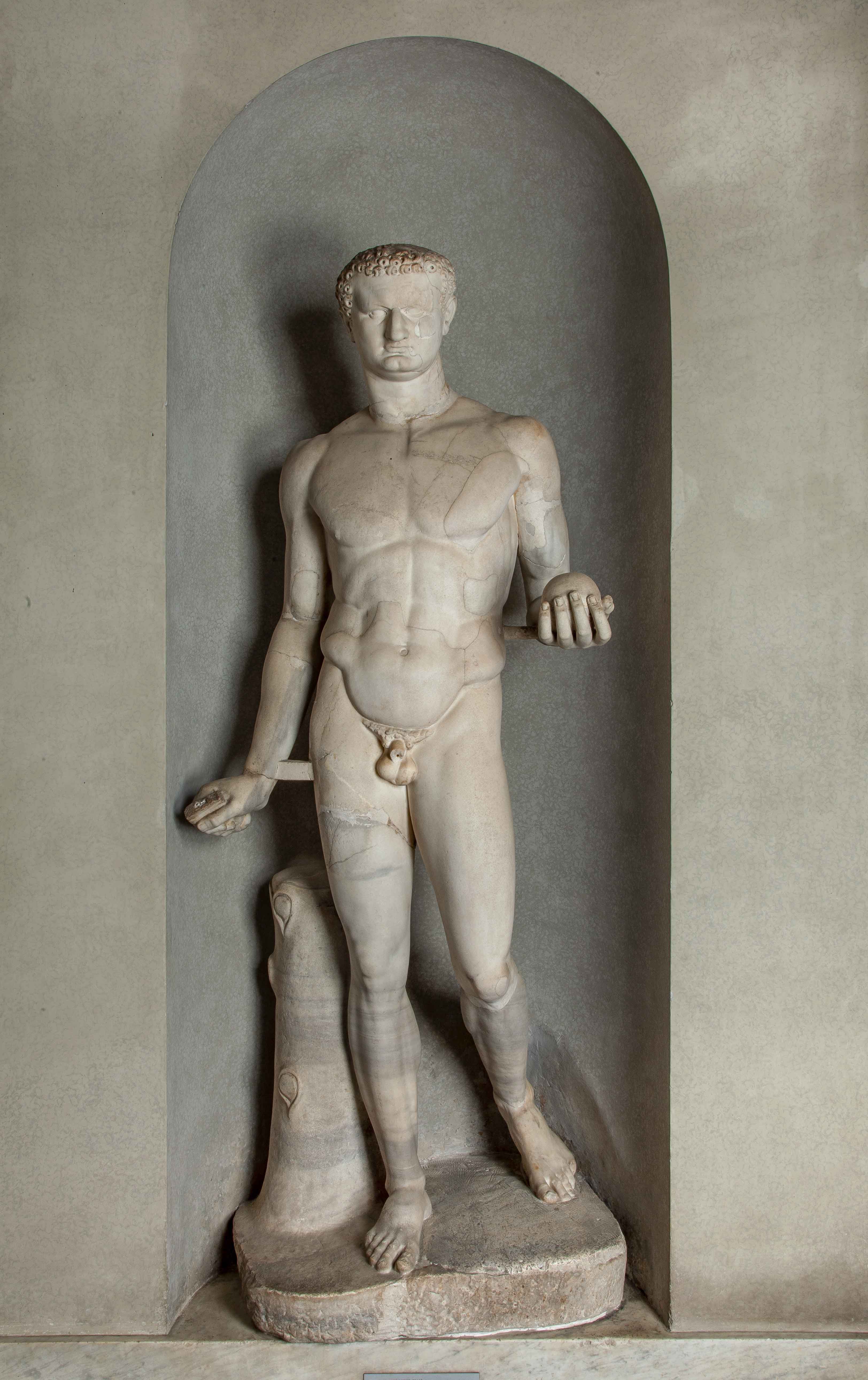
Statue.- inv. 153
Restorations Update: Fourteen statues in the Atrium of Quattro Cancelli - Final Restoration Report
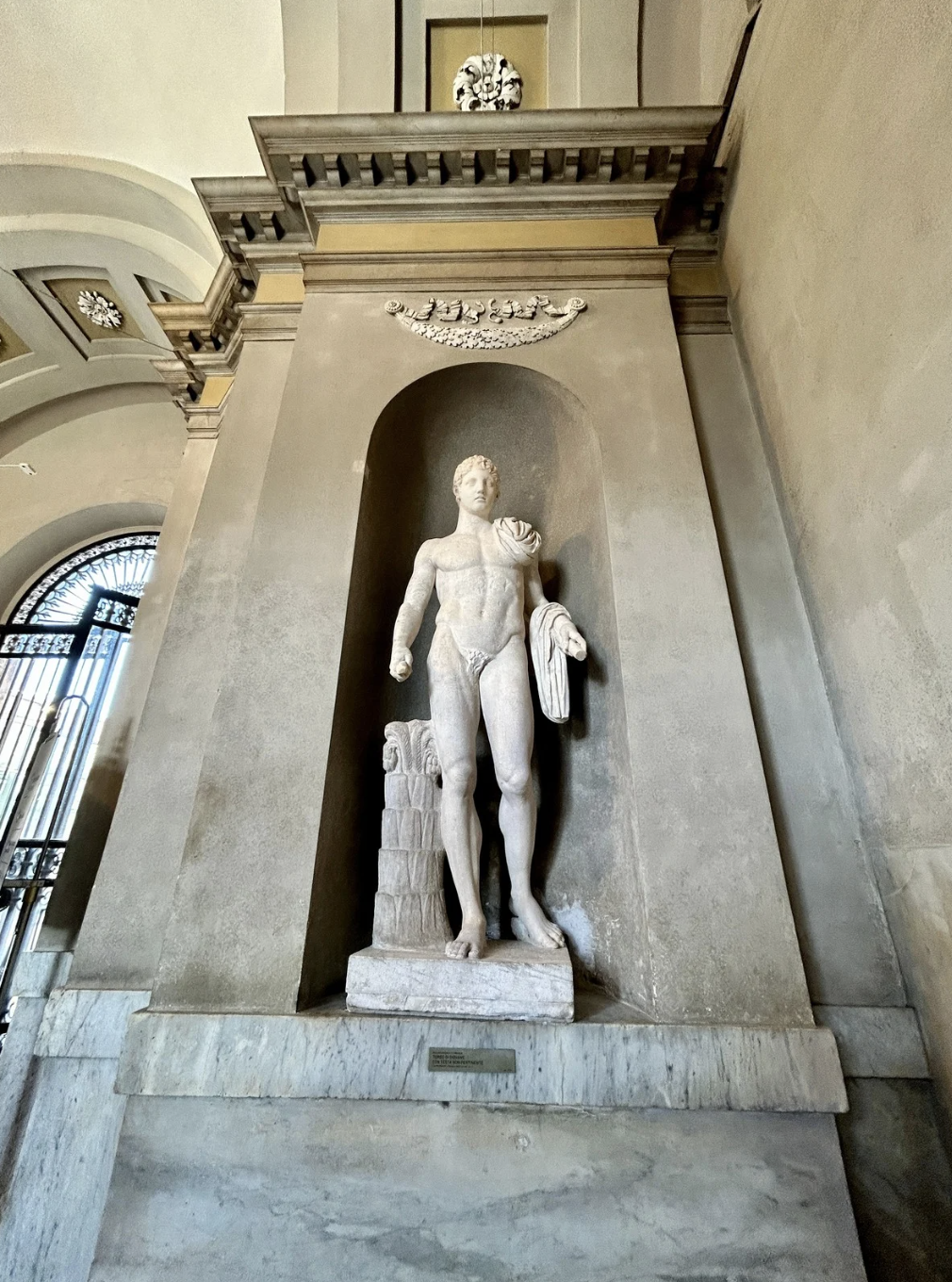
The restoration of the marble sculptures and sarcophagi in the niches of the Atrium of Quattro Cancelli and at the foot of the Simonetti Staircase was completed in February 2025.
The plastering and retouching of the works, which were already at an advanced stage, were completed: the statues of the Statue of a Roman Togatus and of the Statue of an Athlete were relocated to their niches in the Atrium of Quattro Cancelli. At the same time, the Sarcophagus with Puti and Clypeus remained temporarily in the Mithras Room of the Gregorian Profane Museum, awaiting the new arrangement of the Simonetti Staircase.
The restorers carefully calibrated the cleaning of the Hercules at rest to avoid any color discrepancies of the various added fragments and inlays in different marbles. For this reason, they combined several chemical cleanings with laser finishing according to white shades. After cleaning, the right arm, which had come loose during handling, was reassembled.
Given the good preservation of the previous pins - wrought-iron pins anchored in the torso by lead - restorers decided to reuse them.
The restorers prepared the surface and then applied the glue only to the contact surfaces, while the pins were used as mechanical supports to prevent the arm from falling in the event of a bonding failure, thus ensuring the full reversibility of the intervention. To reduce the visual impact, restorers retouched the plaster and some more prominent marks on the stone surfaces.
Restorations Update: Fourteen statues in the Atrium of Quattro Cancelli - Restoration Update
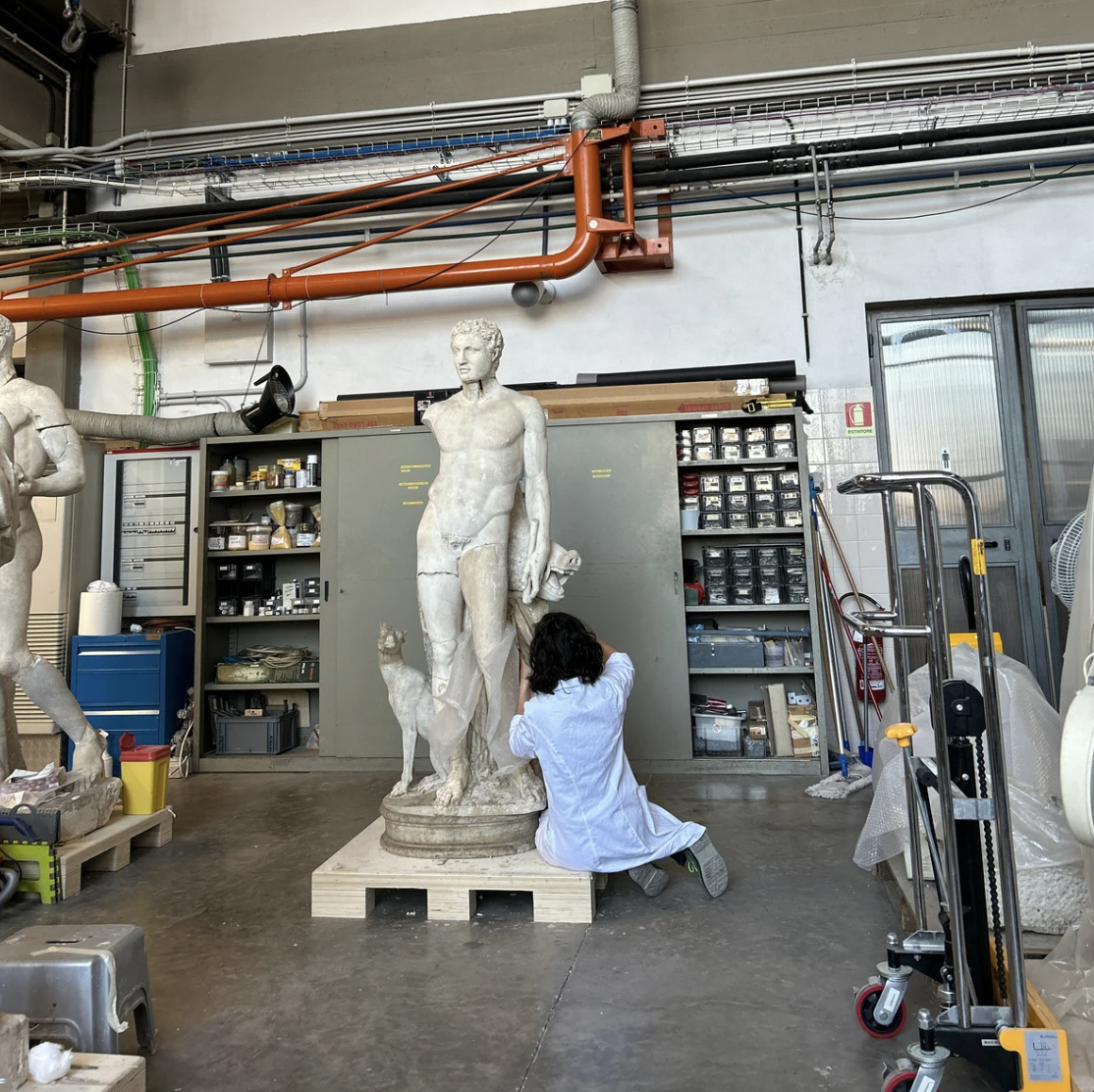
After the statues were transferred from the Atrium of the Quattro Cancelli (Four Gates) to the Stone Materials Laboratory, restorers began the necessary restoration procedures, which currently consist of:
- Cleaning of the surfaces
- Removal of the previous restorations considered unsuitable
- Partial disassembly of some elements (where necessary)
© 2026 Patrons of the Arts
in the Vatican Museums
Vatican Museums V-00120,
Vatican City State (Europe)
+39 0669864499