

Two Pariko Diadems and a Feather Headdress with Cape
Artist: Unknown
Date: Late XIX - early XX century
Classification: Headdress
Dimensions: Various
Materials: Various
Description
MEDIUM PRIORITY PROJECTS
Artifacts: Two Pariko Diadems
Artist Unknown
Period: Late XIX - early XX century
Dimensions: 65.5 x 83.5 x 6 cm
Materials: Macaw feathers, parrot feathers, babaçu palm, cotton
Inventory Numbers: 101431, 101432
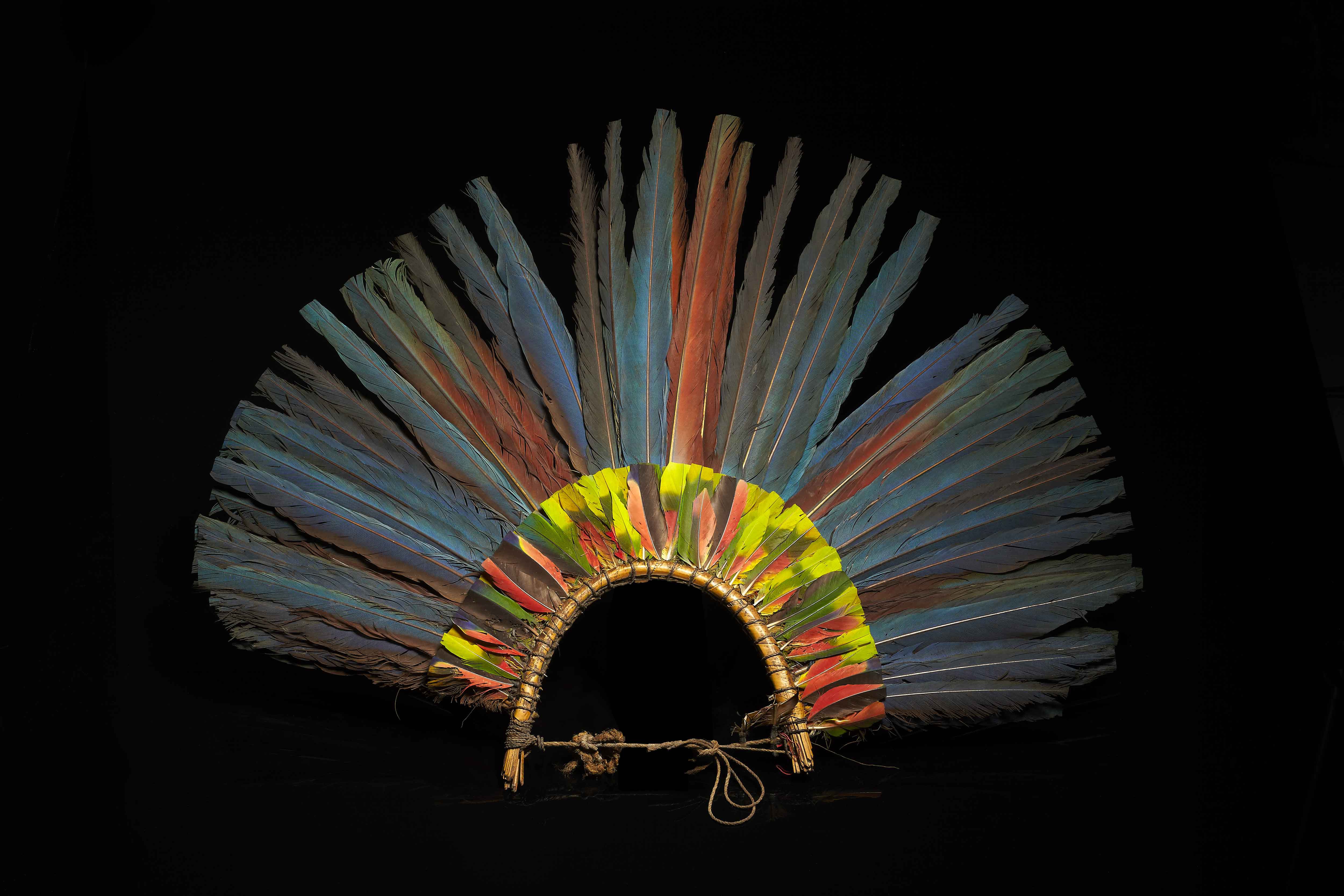
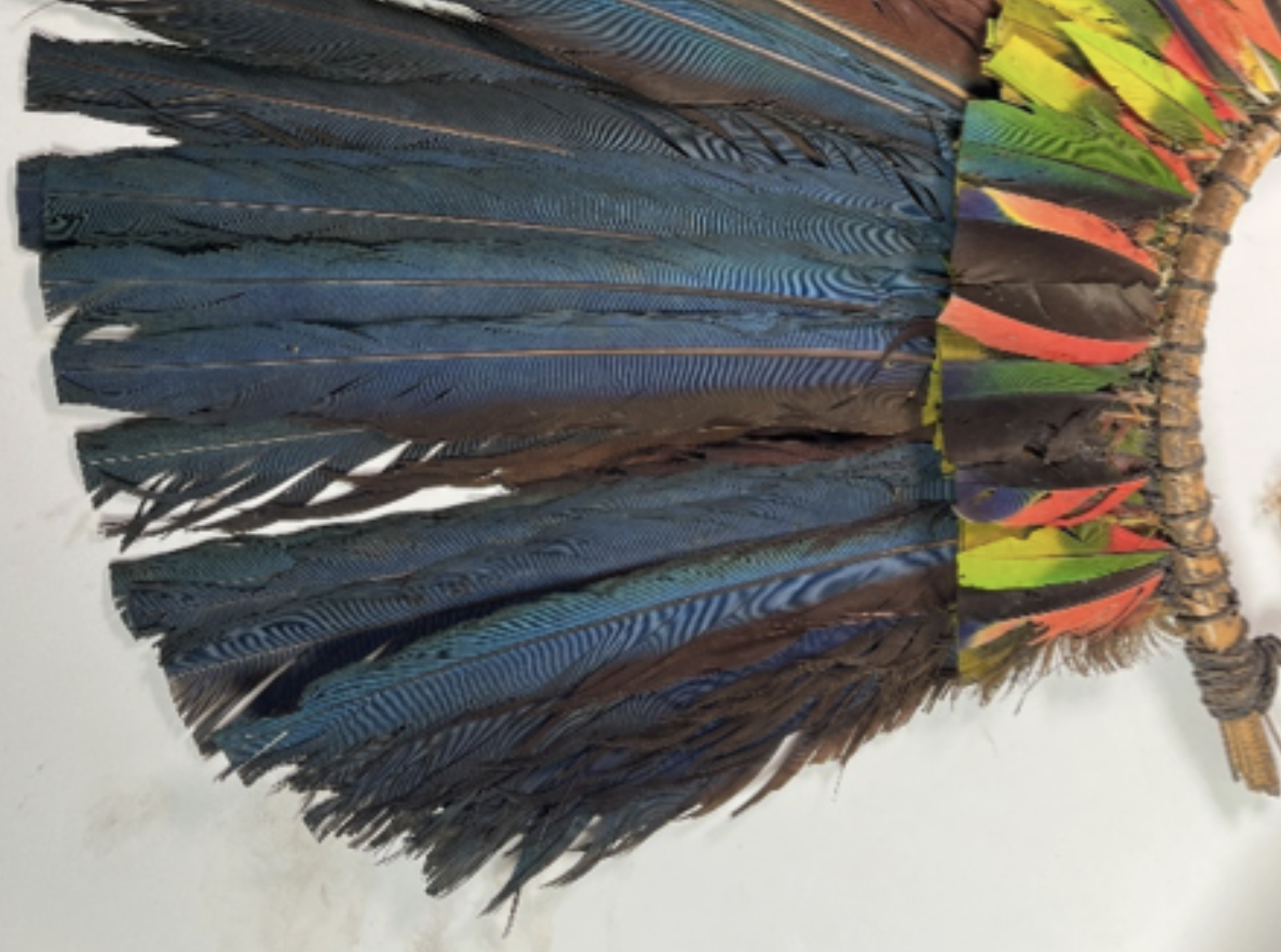
The Pariko diadems are from the Bororo Population, indigenous to Brazil. Pariko diadems are male semicircular crowns composed of two rows of overlapping feathers arranged in descending directions from the center. The first row is made of blue tail feathers of a red macaw (Ara chloroptera). The second row, which acts as a lining of the chain, is made up of multicolored feathers, mainly green, of parrot (Amazona aestiva) and black feathers streaked with white female mutum. All of the feathers have trimmed tips. The spinnerets are placed into a flexible support of leaf veins of the babaçu palm (Orbignya speciosa). The whole is held together with palm fiber rope. Hanging cotton cords tie the ornament to the garment on the sides of the support.
Artifact: Feather Headdress With Cape
Artist: Unknown
Date: Late XIX - early XX century
Dimensions: 113 x 80 x 88 cm
Materials: Feathers, vegetable fibers, wood, cotton
Inventory Number: 101422
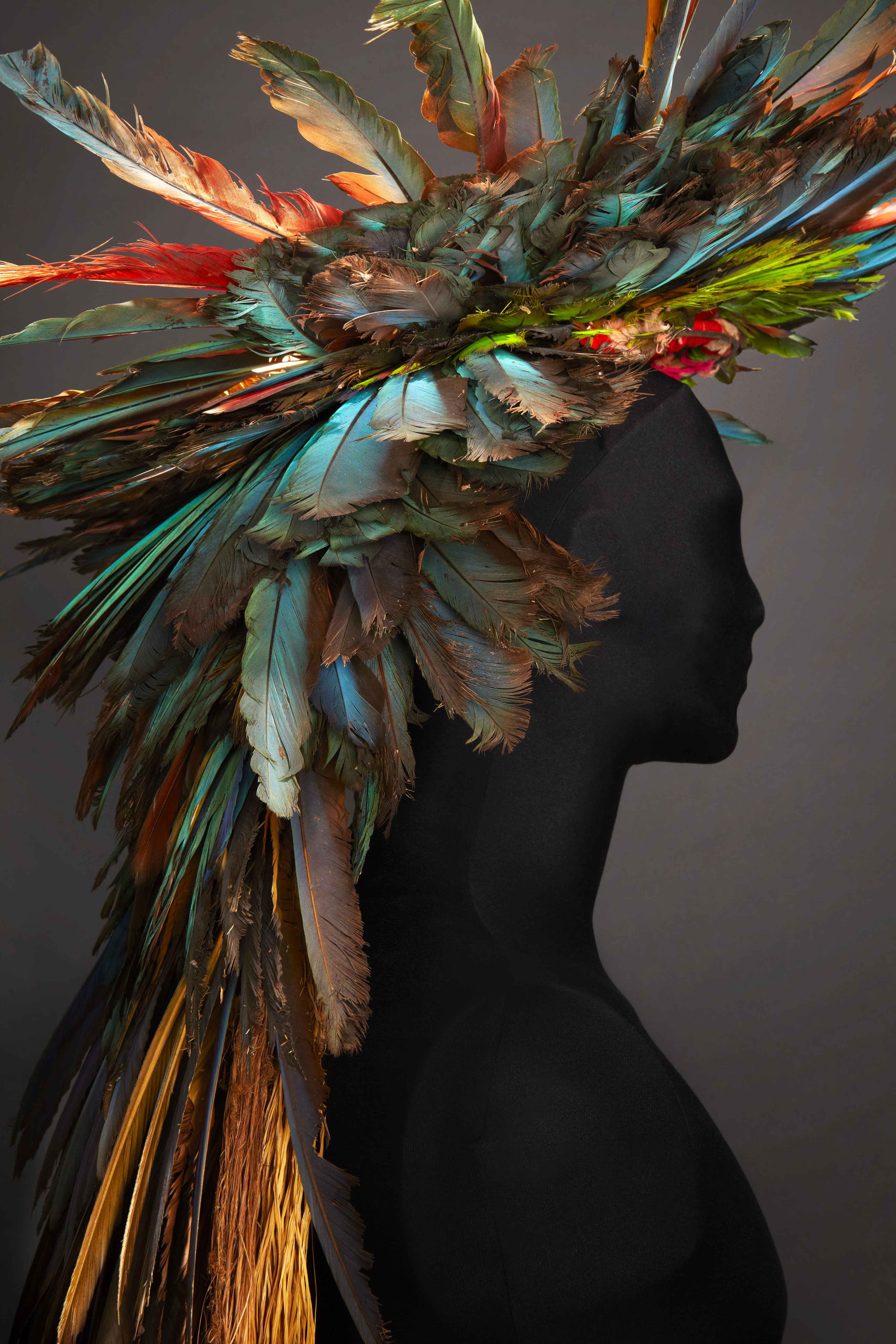
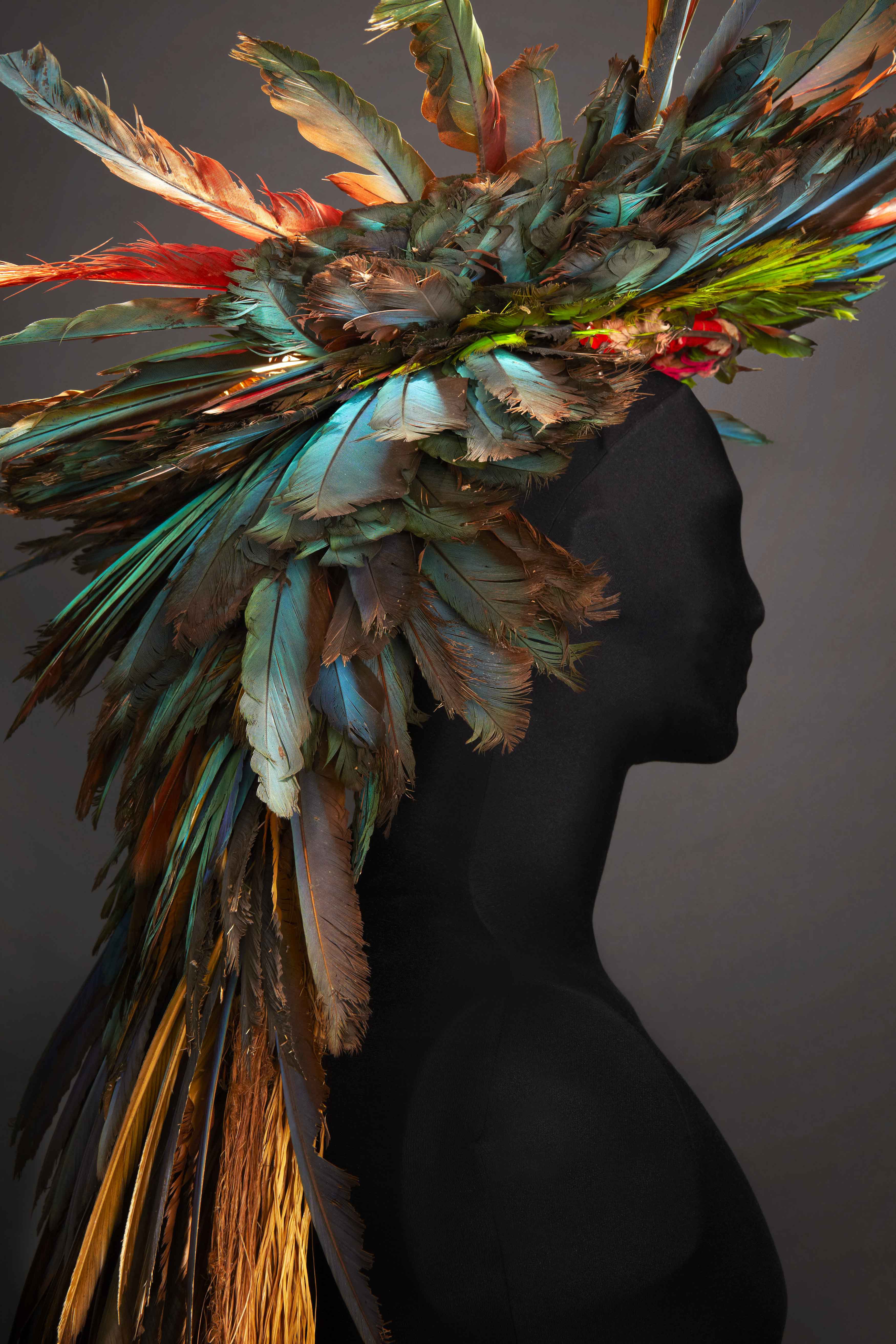
The Toucan headdress includes a neck cape with feathers of different colors. The crown has a structure of two wooden sticks bent into a ring reinforced in the center by two other canes tied in a cross. Along its circumference, yellow, orange, red, and blue feathers are in a radiant position. A long tail of vegetable fibers and feathers with black, blue, and green shades acts as a neck cover and hangs from the crown.
TOTAL COST: € 49.066,29 ($ 47,957.39)
Restoration Procedures
-
Scientific investigations
-
Creation of temporary support for carrying out all phases of the intervention
-
Anoxic disinfestation
-
Experimental phase for the use of lasers in cleaning operations
-
Dry cleaning and chemical cleaning using traditional methods and/or laser technology
-
Revision of plant fiber bindings; consolidation of plant fibers and broken feathers
-
Intervention to restore mechanical order
Detail
Patrons:
Billy Dingman
Inventory N°: 101422, 101431, 101432
Artist: Unknown
Date: Late XIX - early XX century
Provenience: Bororo Population
Dimensions: Various
Materials: Various
Department:
Ethnological Collections Anima Mundimuseum:
Ethnological MuseumLaboratories:
Ethnological MaterialsWishbook year: 2023
Two Pariko Diadems and a Feather Headdress with Cape - Final Restoration Report
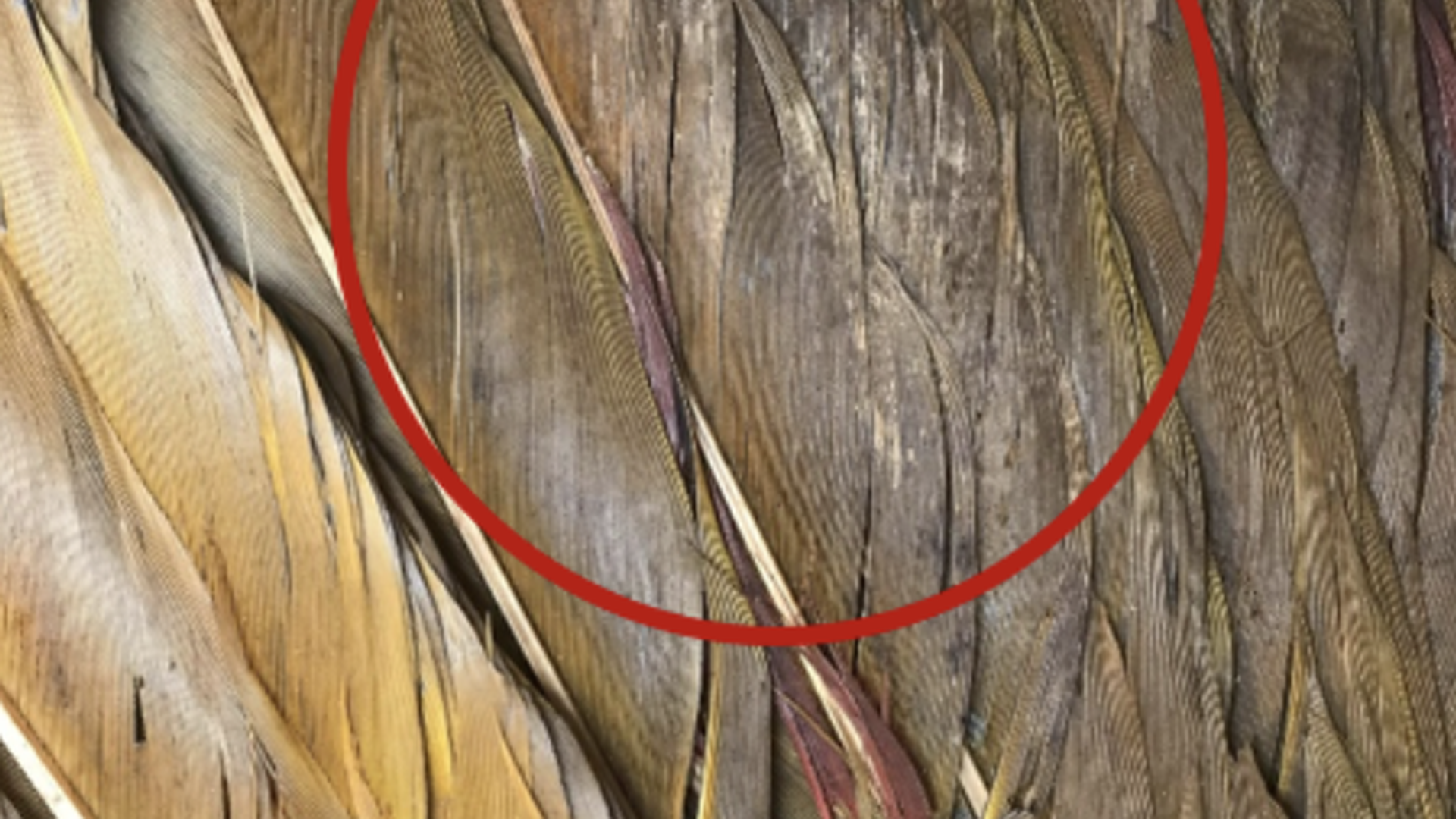
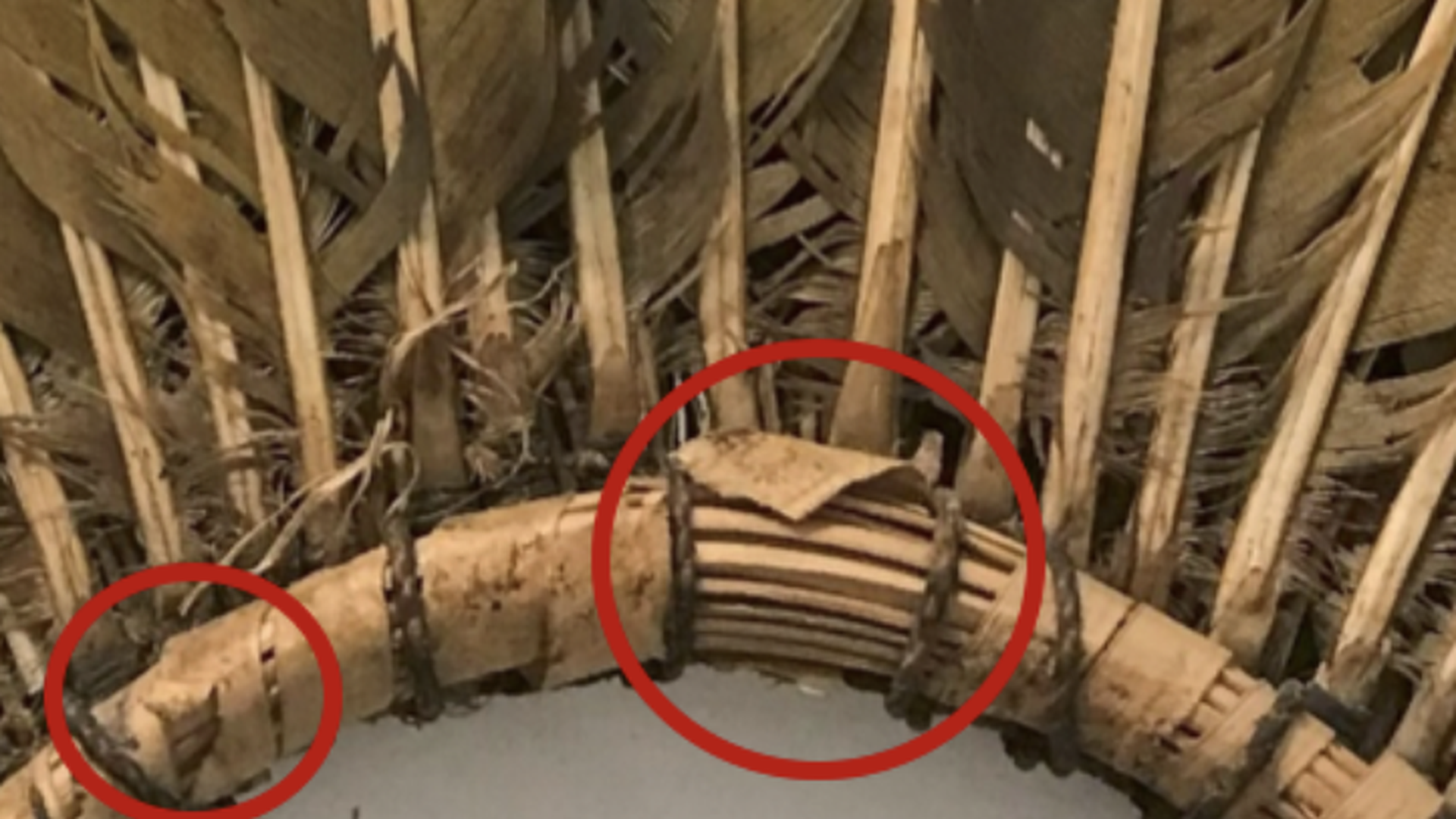
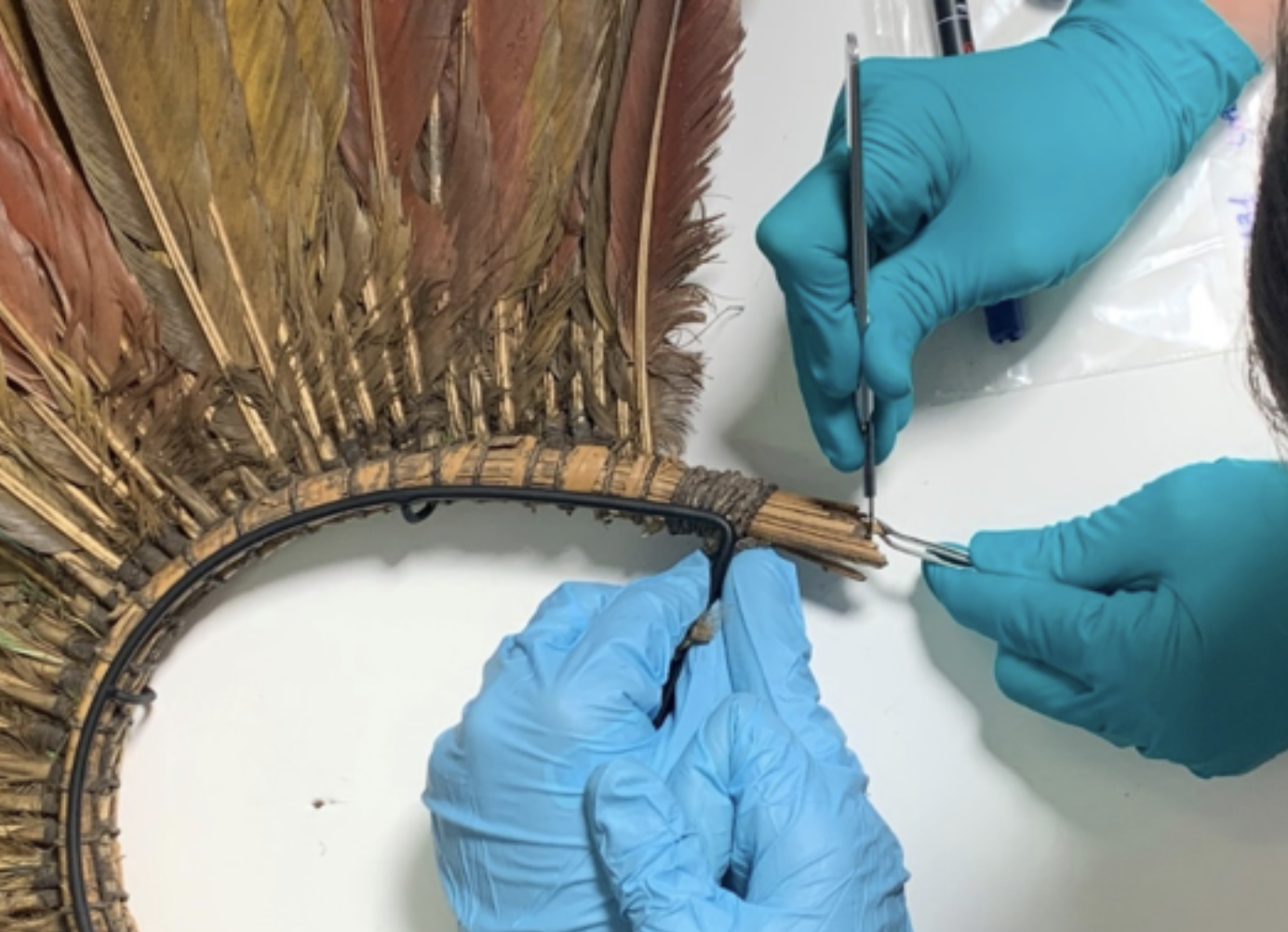
Restorers completed the consolidation of the three artifacts and repaired the lacunose feathers (with embrittled beards and partially detached from the banners) by applying small inserts of silk veil dyed in the colors most suitable for the different needs. The inserts, shaped according to the gaps or detachments, were fixed with Lascaux's Funori diluted at a percentage varying between 0.5 percent and 1 percent in deionized water, applied with a brush always on the verso of the feathers.
Restoration Update - Two Pariko Diadems and a Feather Headdress with Cape
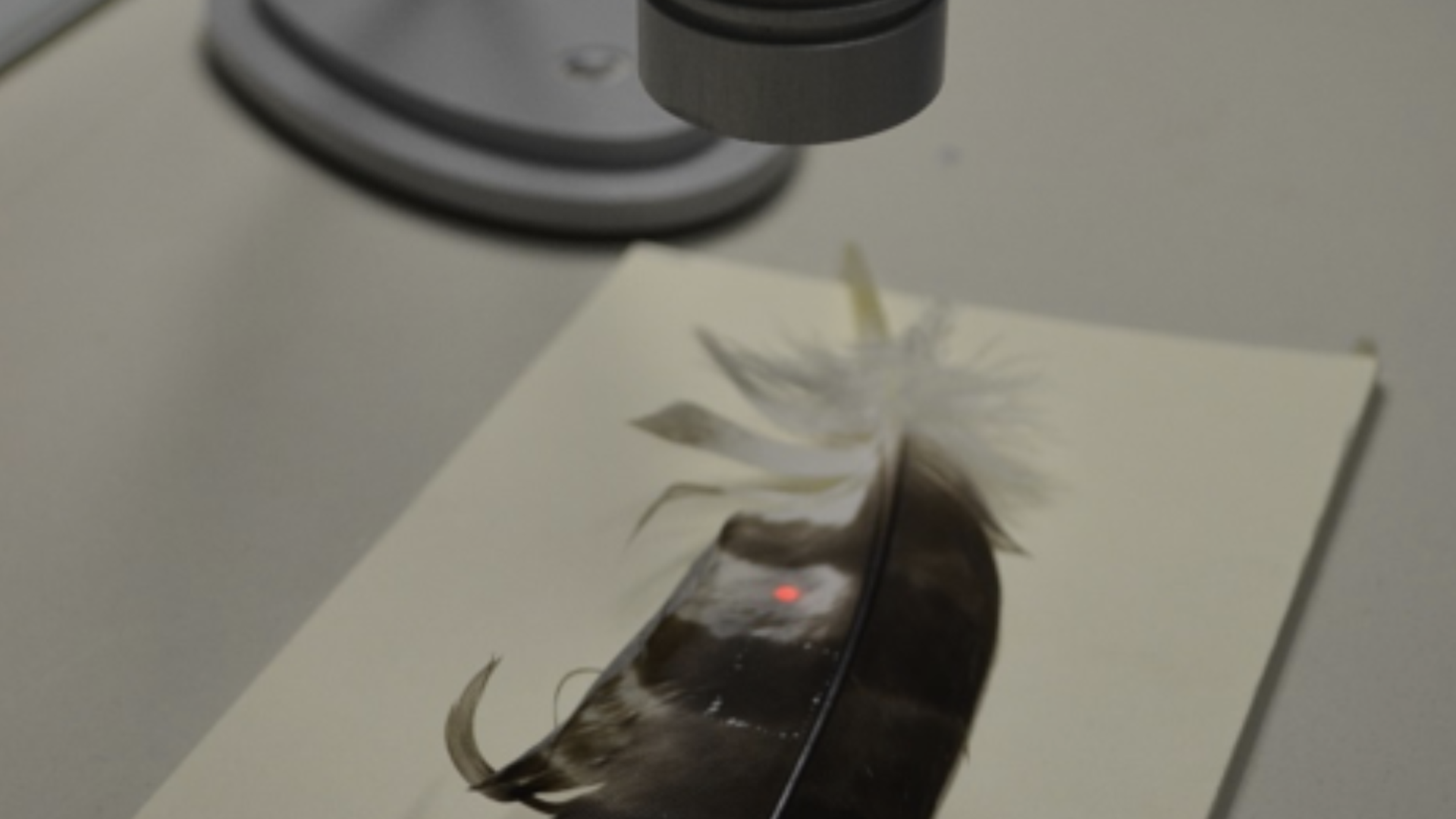
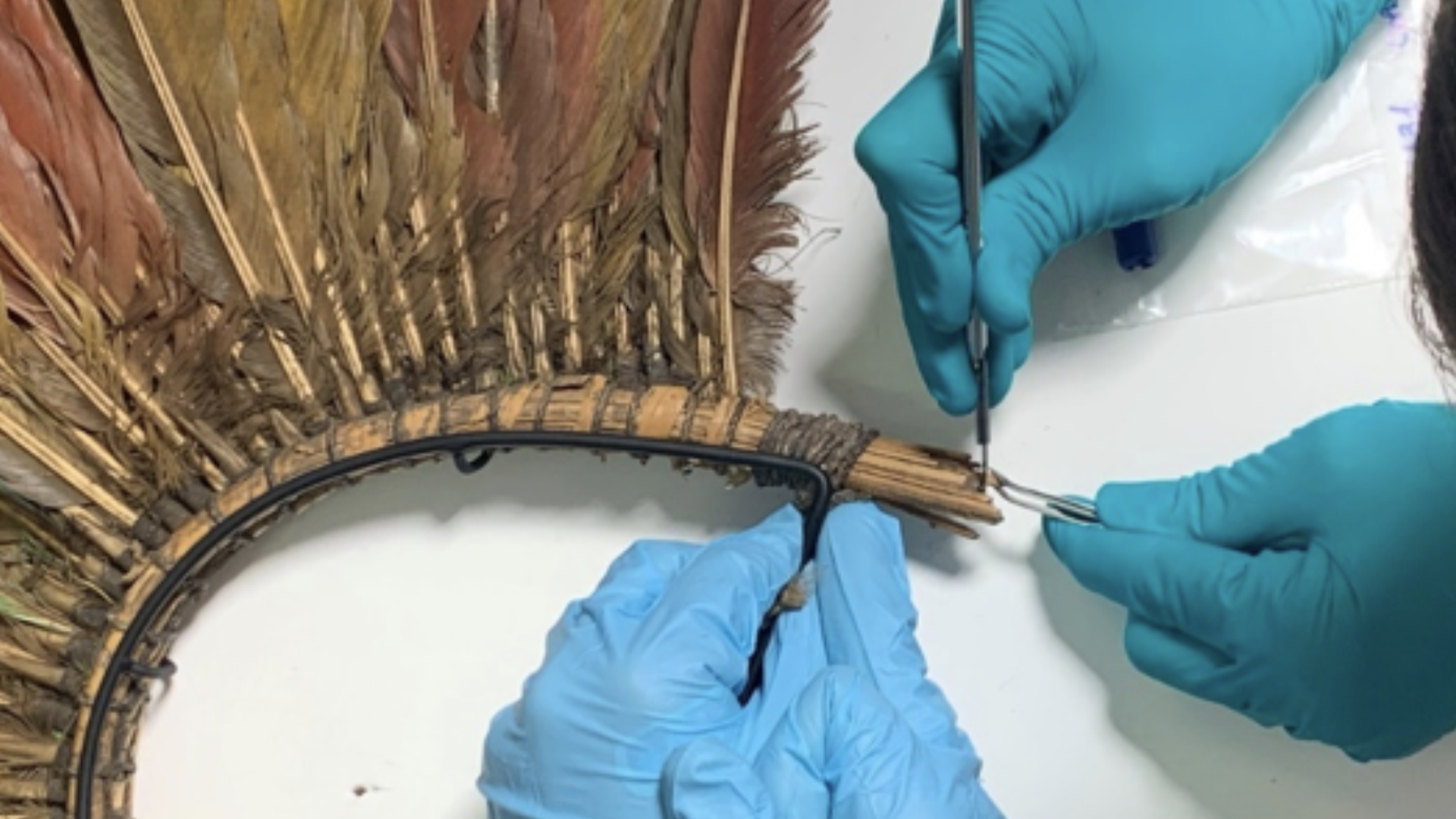
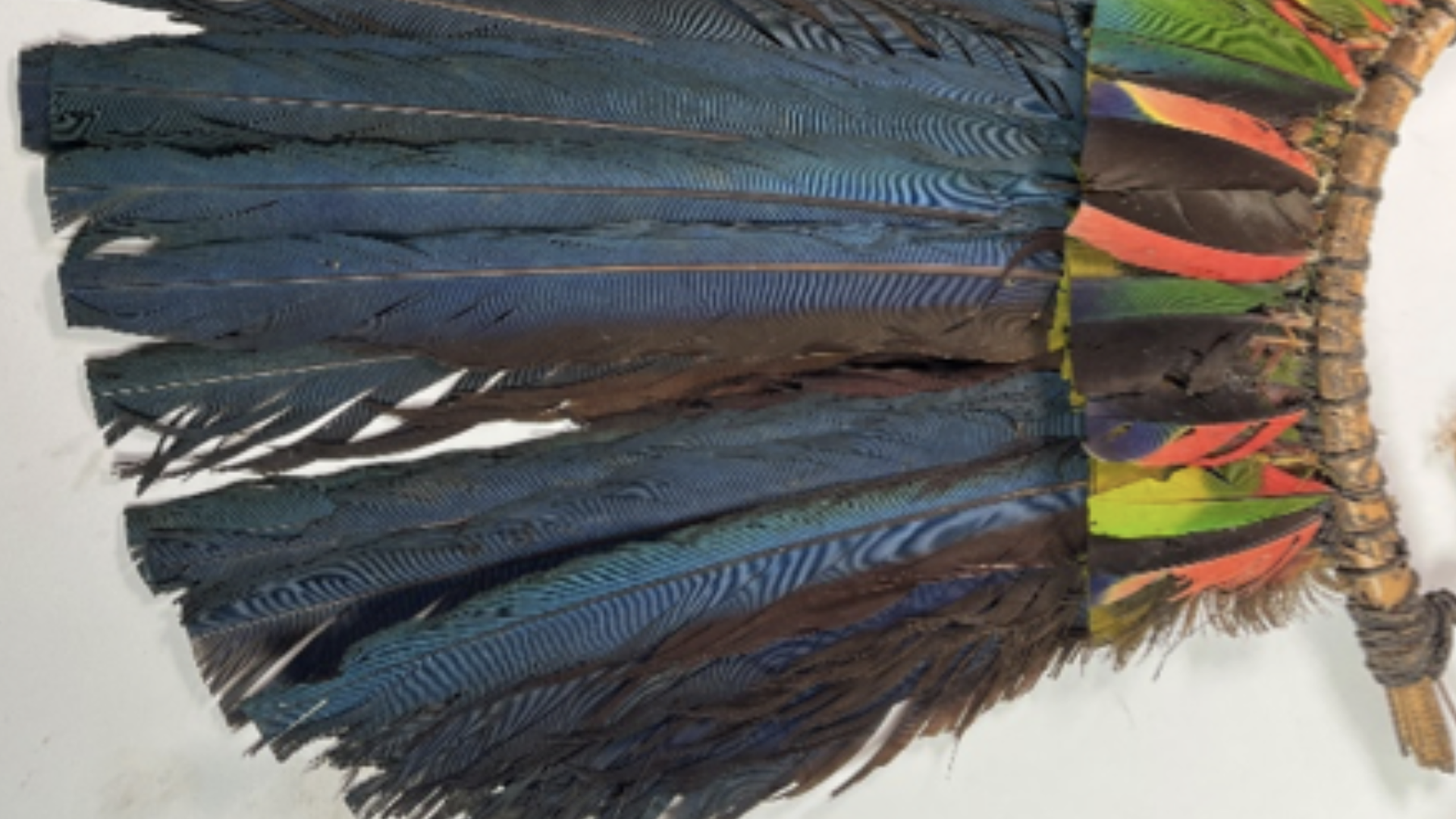
The two diadems and the headdress with cloak from the Americas collection of the Anima Mundi Museum show similar constituent materials and types of alteration. These artifacts are affected by widespread consistent and inconsistent deposition. Large areas of mechanical disorder are evident on the barbs and barbules.
Especially on the decorative feathers and threads of the headgear, restorers found gaps caused by an old biological attack that is no longer active today. There are areas of structural weakening on both the vegetable fiber bindings, which are loose and dehydrated, and on the feathers, which are partly broken, ragged, and brittle.
During March and April, before the first restoration meeting, research was done to deepen the knowledge about the Pariko diadems and the cloak headdress, their respective populations, and their customs and traditions with a focus on the ritual use of the objects, Bororo burial ceremonies, and the cosmogony of the Tucano people related to feathers and the ancestral anaconda.
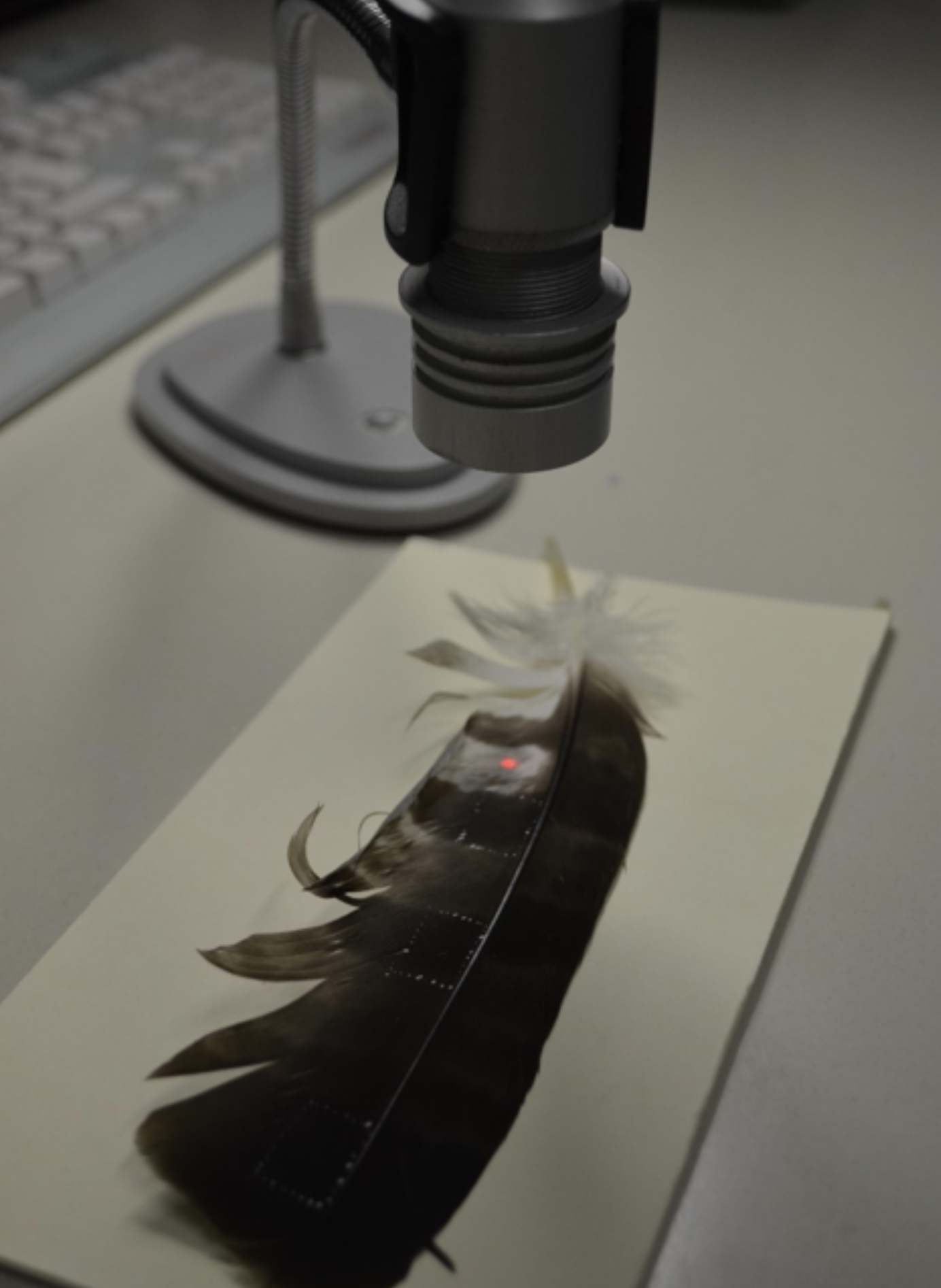
The study on the restoration and conservation of the feathers continued by resuming the experimental work using laser technology for cleaning, which started in 2014 and was conducted by the Ethnological Restoration Laboratory in collaboration with the Scientific Research Laboratory.
Feathers are among the most fragile constituent materials in ethnological collections, and cleaning is a very delicate phase of conservation and restoration work. The physical organization of the various elements that make up the feathers develops into a complex three-dimensional structure that makes particulate removal difficult.

Two Pariko Diadems and a Feather Headdress with Cape
Details
Patrons: Billy Dingman
Inventory: 101422, 101431, 101432
Artist: Unknown
Date: Late XIX - early XX century
Provenience: Bororo Population
Classification: Headdress
Materials: Various
Dimensions: Various
Museum: Ethnological Museum
Department: Ethnological Collections Anima Mundi
Laboratory: Ethnological Materials
Wishbook year: 2023
Description
MEDIUM PRIORITY PROJECTS
Artifacts: Two Pariko Diadems
Artist Unknown
Period: Late XIX - early XX century
Dimensions: 65.5 x 83.5 x 6 cm
Materials: Macaw feathers, parrot feathers, babaçu palm, cotton
Inventory Numbers: 101431, 101432
The Pariko diadems are from the Bororo Population, indigenous to Brazil. Pariko diadems are male semicircular crowns composed of two rows of overlapping feathers arranged in descending directions from the center. The first row is made of blue tail feathers of a red macaw (Ara chloroptera). The second row, which acts as a lining of the chain, is made up of multicolored feathers, mainly green, of parrot (Amazona aestiva) and black feathers streaked with white female mutum. All of the feathers have trimmed tips. The spinnerets are placed into a flexible support of leaf veins of the babaçu palm (Orbignya speciosa). The whole is held together with palm fiber rope. Hanging cotton cords tie the ornament to the garment on the sides of the support.
Artifact: Feather Headdress With Cape
Artist: Unknown
Date: Late XIX - early XX century
Dimensions: 113 x 80 x 88 cm
Materials: Feathers, vegetable fibers, wood, cotton
Inventory Number: 101422
The Toucan headdress includes a neck cape with feathers of different colors. The crown has a structure of two wooden sticks bent into a ring reinforced in the center by two other canes tied in a cross. Along its circumference, yellow, orange, red, and blue feathers are in a radiant position. A long tail of vegetable fibers and feathers with black, blue, and green shades acts as a neck cover and hangs from the crown.
TOTAL COST: € 49.066,29 ($ 47,957.39)
Restoration Procedures
-
Scientific investigations
-
Creation of temporary support for carrying out all phases of the intervention
-
Anoxic disinfestation
-
Experimental phase for the use of lasers in cleaning operations
-
Dry cleaning and chemical cleaning using traditional methods and/or laser technology
-
Revision of plant fiber bindings; consolidation of plant fibers and broken feathers
-
Intervention to restore mechanical order
Media
Feather Headdress
Feather Headdress with Cape
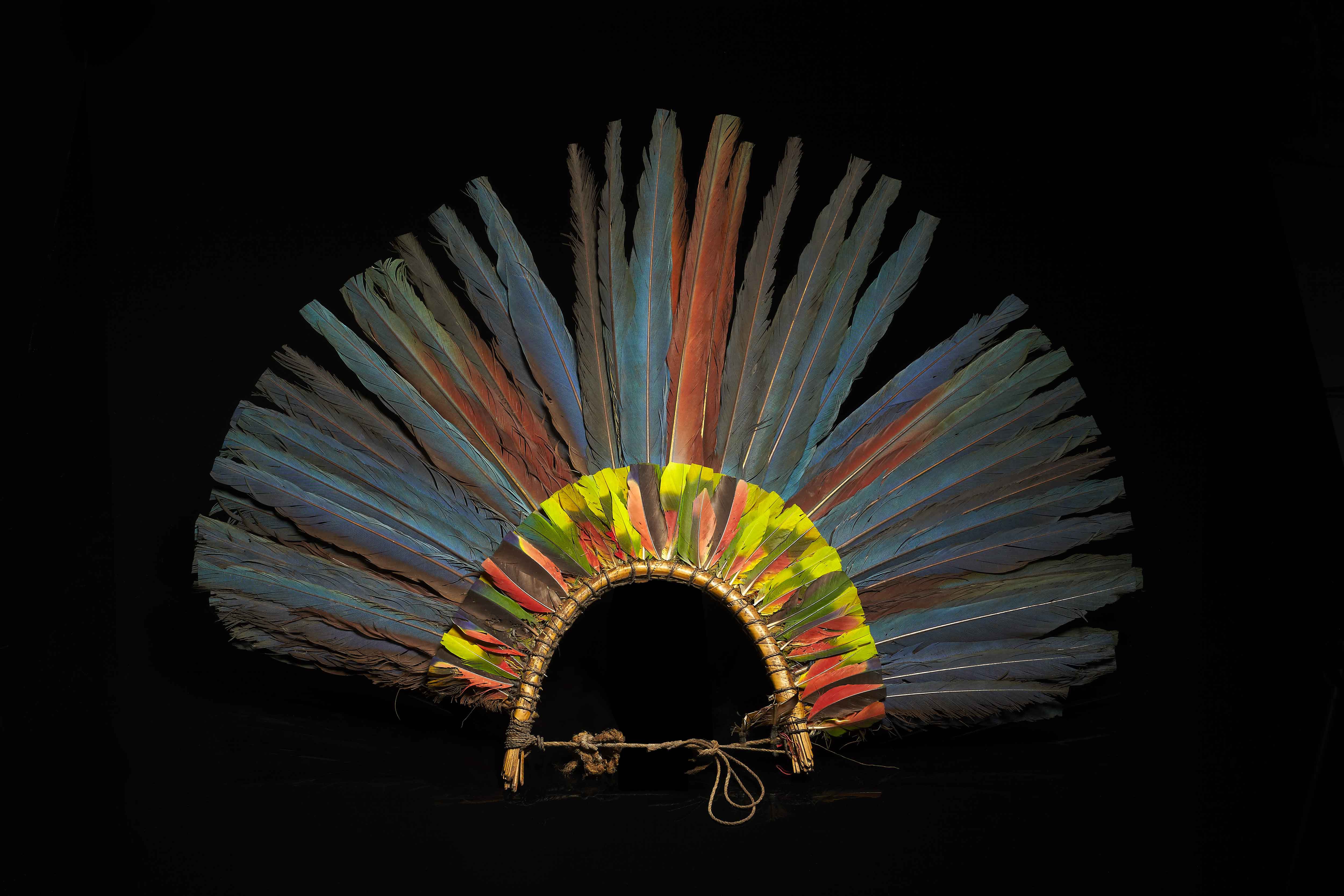
Pariko Diadem - inv. MV 101431
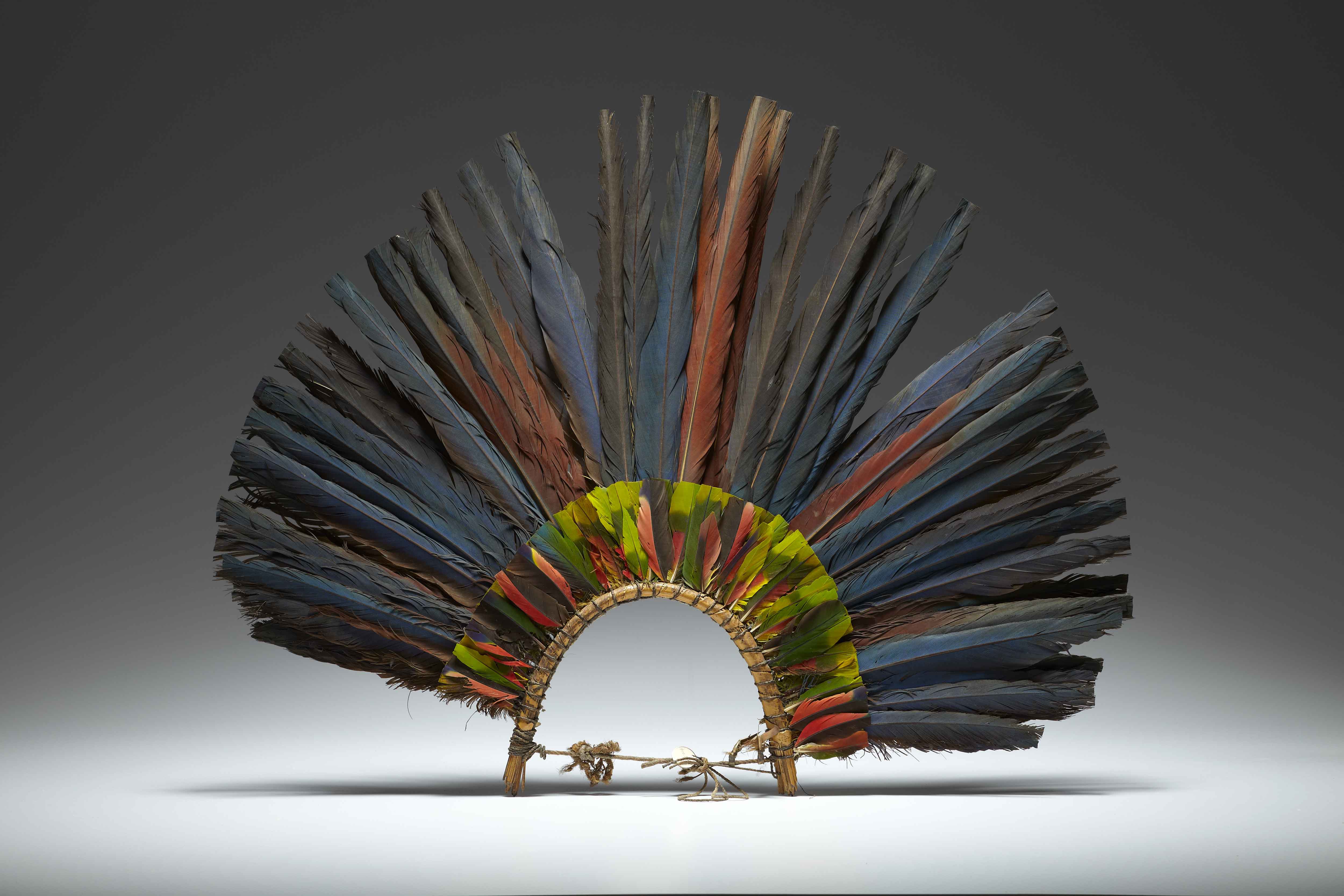
Pariko Diadem - inv. MV 101432
Restorations Update: Two Pariko Diadems and a Feather Headdress with Cape - Final Restoration Report
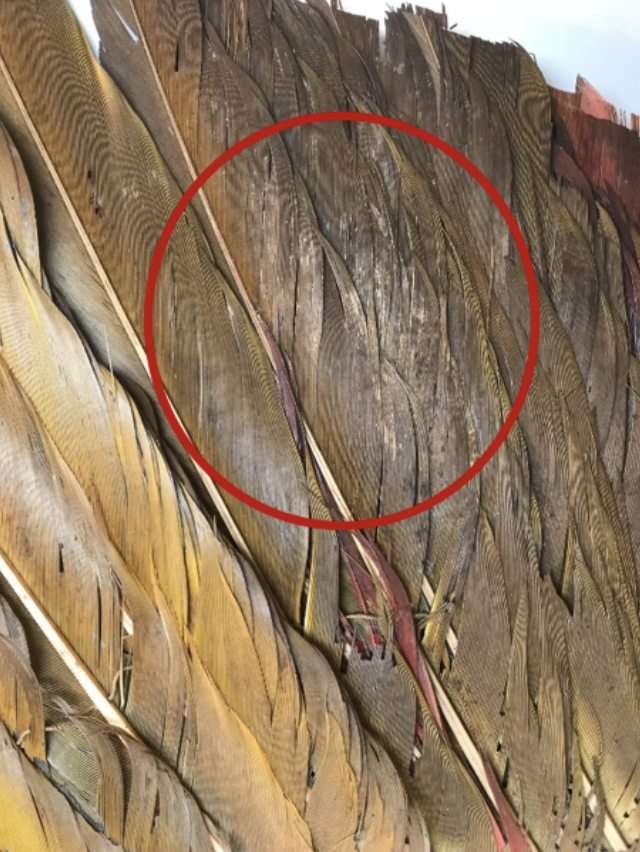
Restorers completed the consolidation of the three artifacts and repaired the lacunose feathers (with embrittled beards and partially detached from the banners) by applying small inserts of silk veil dyed in the colors most suitable for the different needs. The inserts, shaped according to the gaps or detachments, were fixed with Lascaux's Funori diluted at a percentage varying between 0.5 percent and 1 percent in deionized water, applied with a brush always on the verso of the feathers.
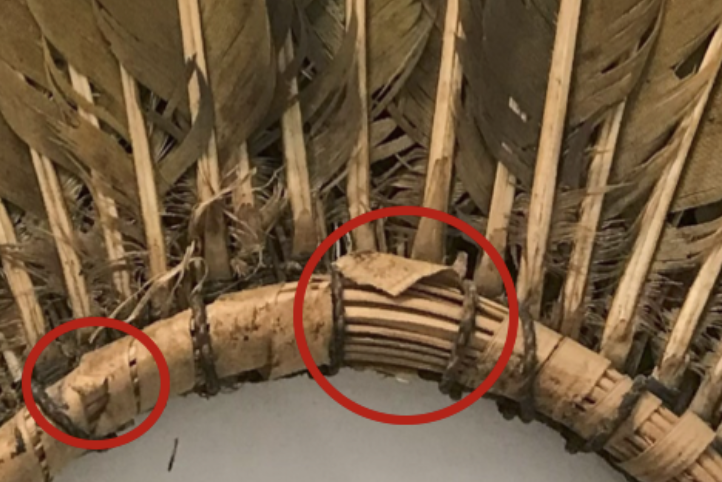
Restorations Update: Restoration Update - Two Pariko Diadems and a Feather Headdress with Cape
The two diadems and the headdress with cloak from the Americas collection of the Anima Mundi Museum show similar constituent materials and types of alteration. These artifacts are affected by widespread consistent and inconsistent deposition. Large areas of mechanical disorder are evident on the barbs and barbules.
Especially on the decorative feathers and threads of the headgear, restorers found gaps caused by an old biological attack that is no longer active today. There are areas of structural weakening on both the vegetable fiber bindings, which are loose and dehydrated, and on the feathers, which are partly broken, ragged, and brittle.
During March and April, before the first restoration meeting, research was done to deepen the knowledge about the Pariko diadems and the cloak headdress, their respective populations, and their customs and traditions with a focus on the ritual use of the objects, Bororo burial ceremonies, and the cosmogony of the Tucano people related to feathers and the ancestral anaconda.
The study on the restoration and conservation of the feathers continued by resuming the experimental work using laser technology for cleaning, which started in 2014 and was conducted by the Ethnological Restoration Laboratory in collaboration with the Scientific Research Laboratory.
Feathers are among the most fragile constituent materials in ethnological collections, and cleaning is a very delicate phase of conservation and restoration work. The physical organization of the various elements that make up the feathers develops into a complex three-dimensional structure that makes particulate removal difficult.
© 2026 Patrons of the Arts
in the Vatican Museums
Vatican Museums V-00120,
Vatican City State (Europe)
+39 0669864499