

Astarita collection of First Century Greek Vases
Artist: Unknown
Date: c. 560-460 B.C.
Classification: Vases
Dimensions: Various
Materials: Painted Ceramic
Adopted By: The Belgium Chapter
Total Cost: $ 35,000
Description
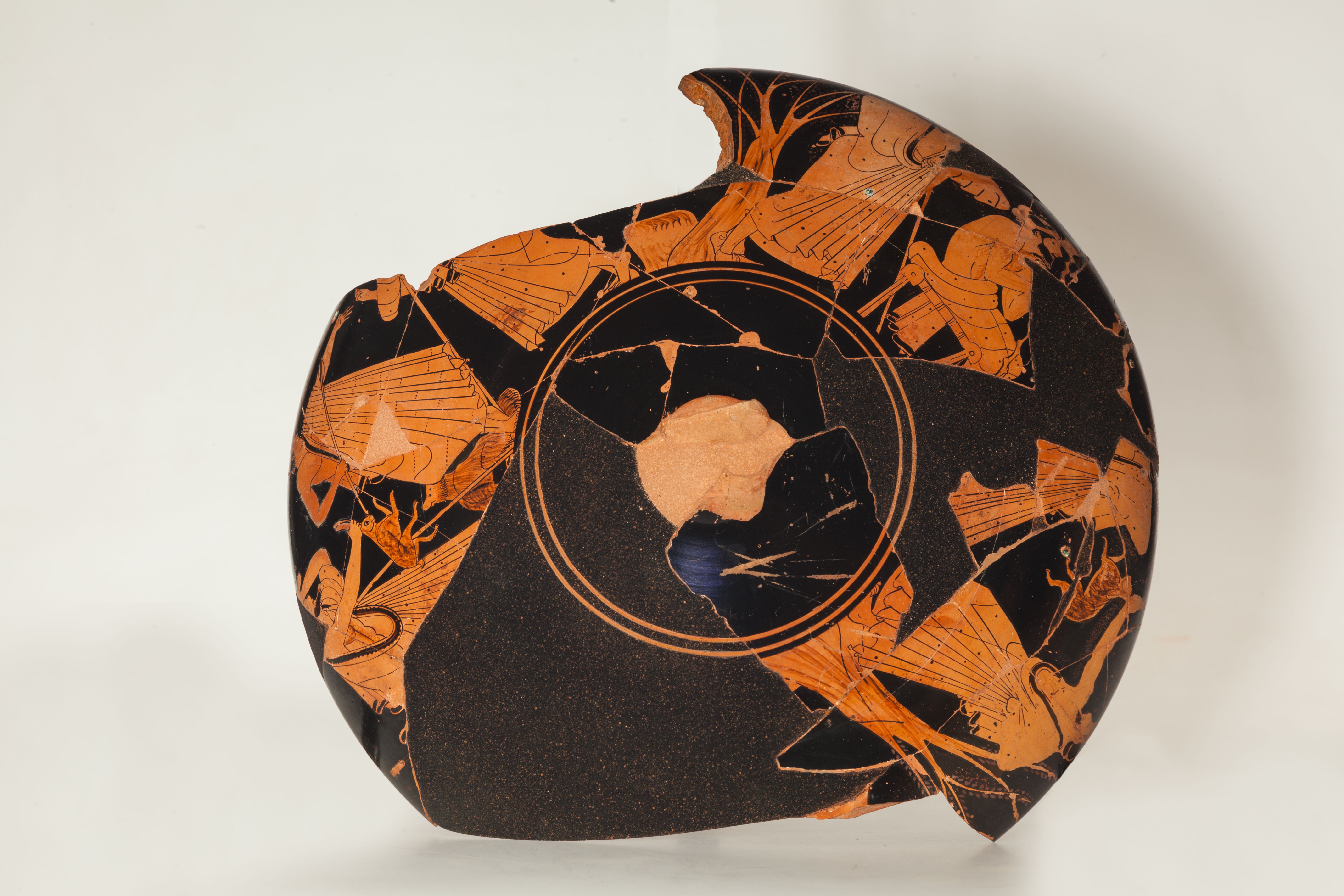
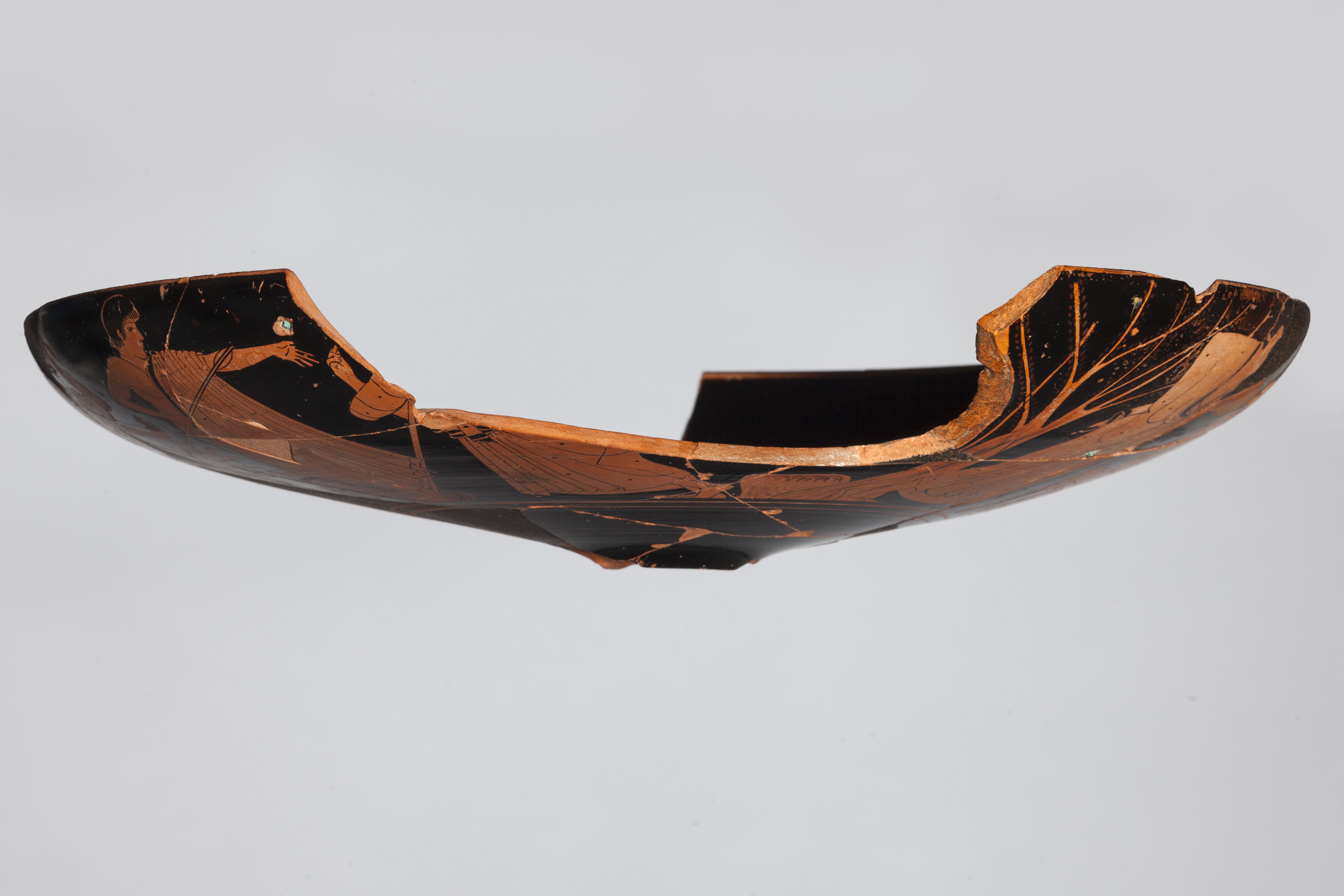
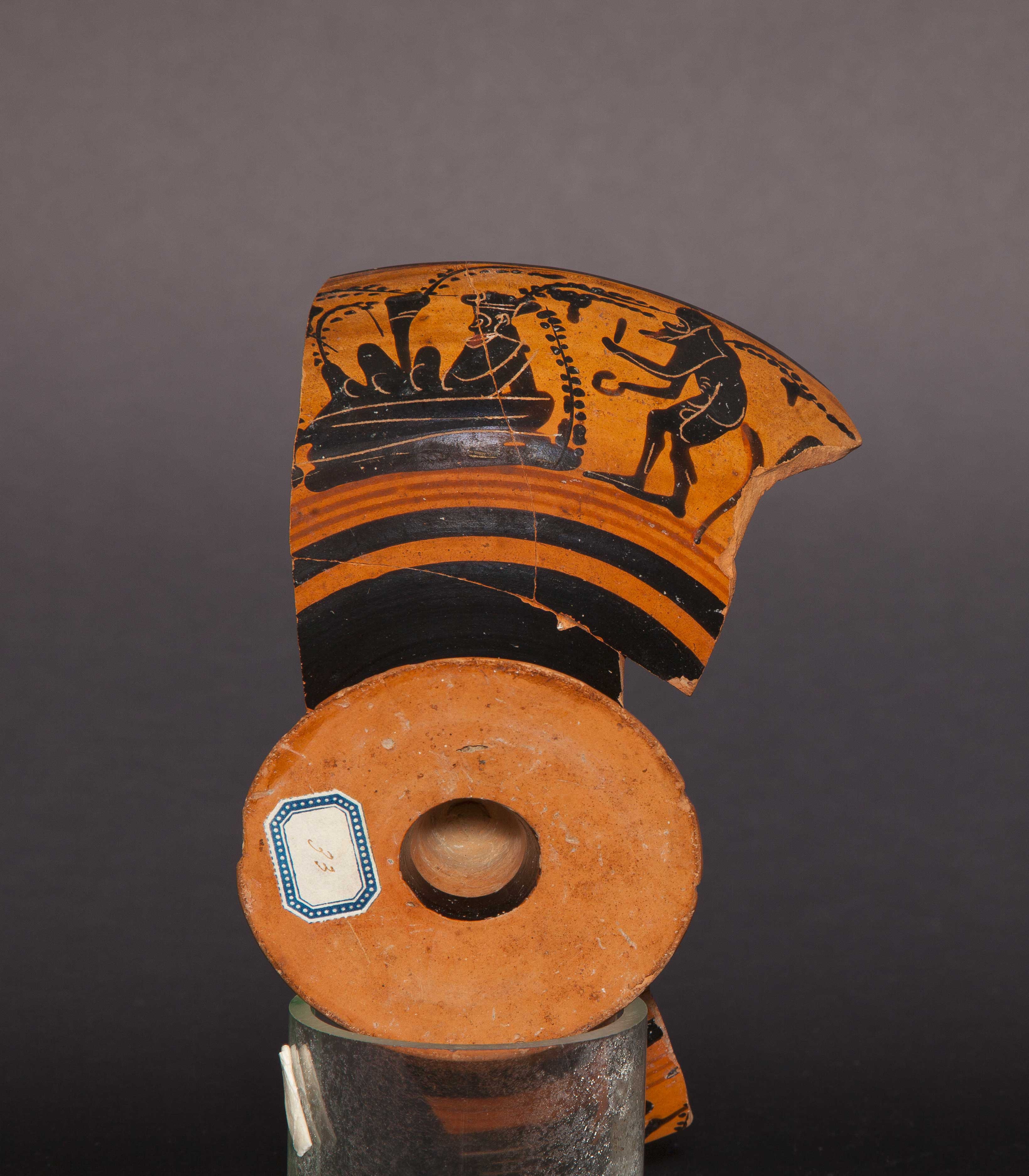
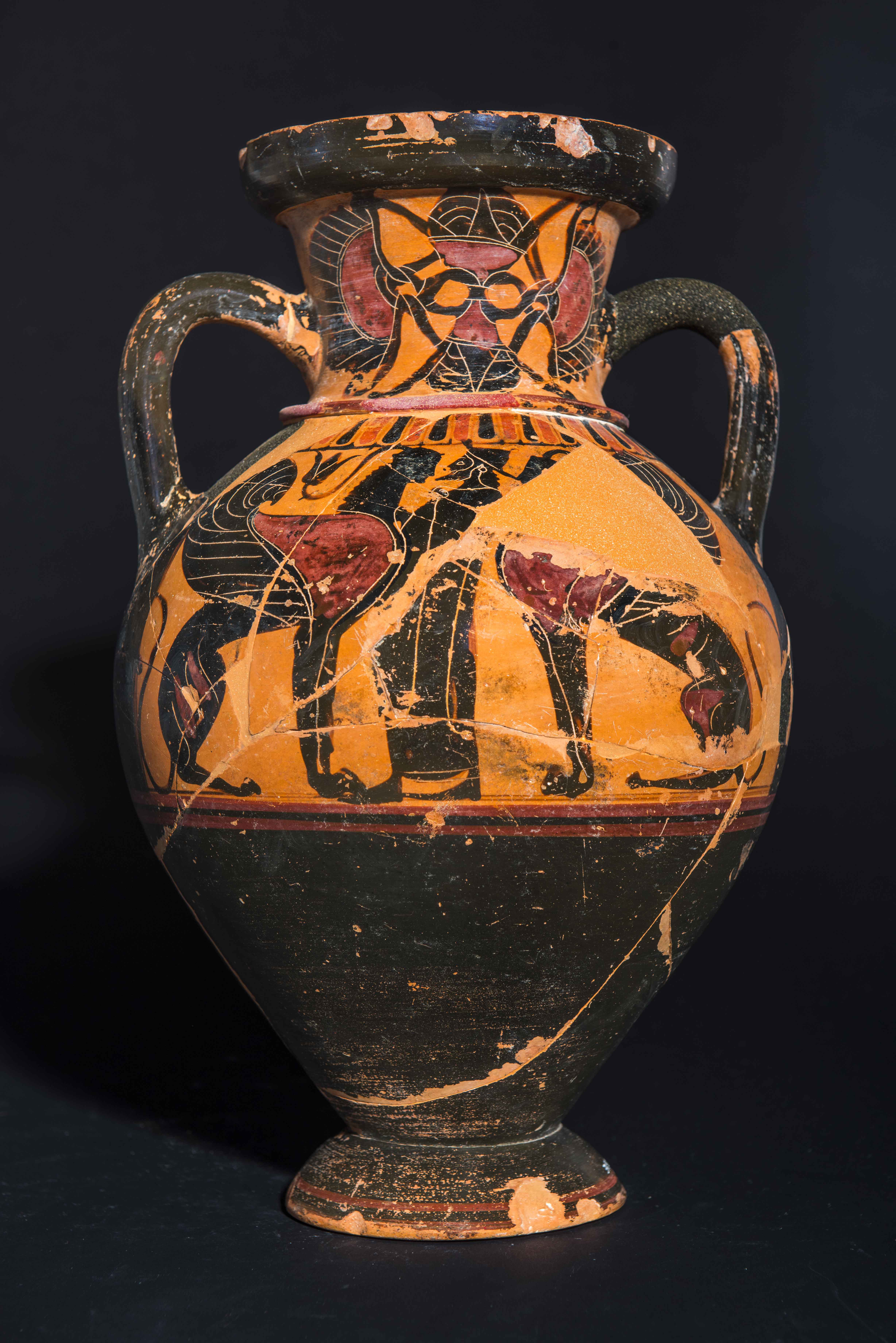
The project intended to restore thirty-six figurative Greek vases, particularly of Attic origins. All are part of the Astarita collection and are exhibited in the display case B in the room dedicated to this important donation to the Museums.
In fact, the Astarita collection was founded in 1913, thanks to the work of an exemplary expert in the field, Mario Astarita, who, in 1967, intended to give it to the Vatican. He donated the collection to Pope Paul VI in memory of his parents Tommaso Astarita and Teresa Castellano and his wife Anna Ferrante of the aristocratic Marchesi di Ruffano. These names are seen in the Latin epigraph located in the Astarita room.
The collection is comprised mainly of Attic pottery, with other Greek ceramics of Corinthian, Greek-Eastern, Laconic, and Euboian manufacture as well as a core of Etruscan pottery.
The vases covered by this project are signed by or attributed to different masters and span a time period of almost a hundred years, from 560 to 460 B.C. With the exception of the black-figured amphora of Euboian production portraying boxing figures, most of the vases are of Attic production. For many, the place of origin is not known, except for the cup of Sakonides, circa 540 BC, with its elegant bust of a woman in miniaturist style, discovered in Orvieto and thus from the Etruscan territory. We know, moreover, that much of the pottery was produced in Greece for the rich markets of the Western Mediterranean and that the Etruscans were among the first importers.
This selection of vases is a sample of the transformation of Greek art from the archaic to the severe style, through the painting of vases. Beyond the stylistic aspect, they express different aspects of Greek life and culture.
We find ourselves in the world of myths and gods: with examples such as an amphora by “The Swing Painter” depicting the introduction of Heracles in the Olympus and images of athletics (the Euboian amphora with its boxers and the cup by the Antiphon Painter) and war (cup by Douris with warriors and fight scenes).
The world of Dionysus, the symposium, the ritualized consumption of wine, and Greek camaraderie are all shown in different representations. One particularly fine late archaic cup depicts a young boy drinking in a sitting position. The famous Oxford Scholar known for his classification of Attic pottery, Sir John Beazly, named the unknown painter of this cup “The Mario Painter” in honor of his friend Mario Astarita.
In these works, one can underline a suggestive link to a feminine world. A work attributed to a vase-painter near to the Douris style, around 460 B.C., shows an image of a elegantly dressed women preparing for her bath. She pours a precious perfume into the water, transforming the care of the body into an intimate ritual.
State of Preservation
The vases have been restored at different times during the twentieth century. The materials then used for the restoration were partly compromised and required a revision in terms of both preservation and aesthetics. The new project was realized with proper materials and current criteria, to return new visibility to this important section of the collection.
Restoration Procedures
- Control of the old bonding agent and eventual disassembly
- Scientific Analysis
- Revision of the old additions and removal of those found unsuitable
- Removal of loose surface deposits.
- Final finish cleaning with the appropriate tools and solvents to remove product residues accumulated in previous interventions.
- Repositioning the fragments with new adhesion
- Integration of cracks and lacunae
- Chromatic integration of the lacunae.
- Photographic documentation
Detail
Adopted By:
The Belgium ChapterInventory N°: 34950, 34951, 34963, 34976, 34983, 34984, 34986, 34987, 34990, 34991, 34994, 34996, 34999, 35020, 35021, 35035, 35048, 35051, 35124, 35271, 35290, 35309, 35330, 35457, 35458, 35544, 35545, 35622, 35688, 35725, 35765, 35784, 35860, 35861, 35862
Artist: Unknown
Date: c. 560-460 B.C.
Provenience: Attic peninsula
Dimensions: Various
Materials: Painted Ceramic
Department:
Etruscan - Italic AntiquitiesCurators:
Dr. Maurizio Sannibalemuseum:
Gregorian Etruscan MuseumLaboratories:
Metals & CeramicsWishbook year: 2016
Total Cost
$ 35,000

Astarita collection of First Century Greek Vases
Details
Adopted by: The Belgium Chapter
Inventory: 34950, 34951, 34963, 34976, 34983, 34984, 34986, 34987, 34990, 34991, 34994, 34996, 34999, 35020, 35021, 35035, 35048, 35051, 35124, 35271, 35290, 35309, 35330, 35457, 35458, 35544, 35545, 35622, 35688, 35725, 35765, 35784, 35860, 35861, 35862
Artist: Unknown
Date: c. 560-460 B.C.
Provenience: Attic peninsula
Classification: Vases
Materials: Painted Ceramic
Dimensions: Various
Museum: Gregorian Etruscan Museum
Department: Etruscan - Italic Antiquities
Laboratory: Metals & Ceramics
Wishbook year: 2016
Description
The project intended to restore thirty-six figurative Greek vases, particularly of Attic origins. All are part of the Astarita collection and are exhibited in the display case B in the room dedicated to this important donation to the Museums.
In fact, the Astarita collection was founded in 1913, thanks to the work of an exemplary expert in the field, Mario Astarita, who, in 1967, intended to give it to the Vatican. He donated the collection to Pope Paul VI in memory of his parents Tommaso Astarita and Teresa Castellano and his wife Anna Ferrante of the aristocratic Marchesi di Ruffano. These names are seen in the Latin epigraph located in the Astarita room.
The collection is comprised mainly of Attic pottery, with other Greek ceramics of Corinthian, Greek-Eastern, Laconic, and Euboian manufacture as well as a core of Etruscan pottery.
The vases covered by this project are signed by or attributed to different masters and span a time period of almost a hundred years, from 560 to 460 B.C. With the exception of the black-figured amphora of Euboian production portraying boxing figures, most of the vases are of Attic production. For many, the place of origin is not known, except for the cup of Sakonides, circa 540 BC, with its elegant bust of a woman in miniaturist style, discovered in Orvieto and thus from the Etruscan territory. We know, moreover, that much of the pottery was produced in Greece for the rich markets of the Western Mediterranean and that the Etruscans were among the first importers.
This selection of vases is a sample of the transformation of Greek art from the archaic to the severe style, through the painting of vases. Beyond the stylistic aspect, they express different aspects of Greek life and culture.
We find ourselves in the world of myths and gods: with examples such as an amphora by “The Swing Painter” depicting the introduction of Heracles in the Olympus and images of athletics (the Euboian amphora with its boxers and the cup by the Antiphon Painter) and war (cup by Douris with warriors and fight scenes).
The world of Dionysus, the symposium, the ritualized consumption of wine, and Greek camaraderie are all shown in different representations. One particularly fine late archaic cup depicts a young boy drinking in a sitting position. The famous Oxford Scholar known for his classification of Attic pottery, Sir John Beazly, named the unknown painter of this cup “The Mario Painter” in honor of his friend Mario Astarita.
In these works, one can underline a suggestive link to a feminine world. A work attributed to a vase-painter near to the Douris style, around 460 B.C., shows an image of a elegantly dressed women preparing for her bath. She pours a precious perfume into the water, transforming the care of the body into an intimate ritual.
State of Preservation
The vases have been restored at different times during the twentieth century. The materials then used for the restoration were partly compromised and required a revision in terms of both preservation and aesthetics. The new project was realized with proper materials and current criteria, to return new visibility to this important section of the collection.
Restoration Procedures
- Control of the old bonding agent and eventual disassembly
- Scientific Analysis
- Revision of the old additions and removal of those found unsuitable
- Removal of loose surface deposits.
- Final finish cleaning with the appropriate tools and solvents to remove product residues accumulated in previous interventions.
- Repositioning the fragments with new adhesion
- Integration of cracks and lacunae
- Chromatic integration of the lacunae.
- Photographic documentation
Media
Inv. 34949 - After Restoration
Inv. 34983
Inv.34984 - After Restoration
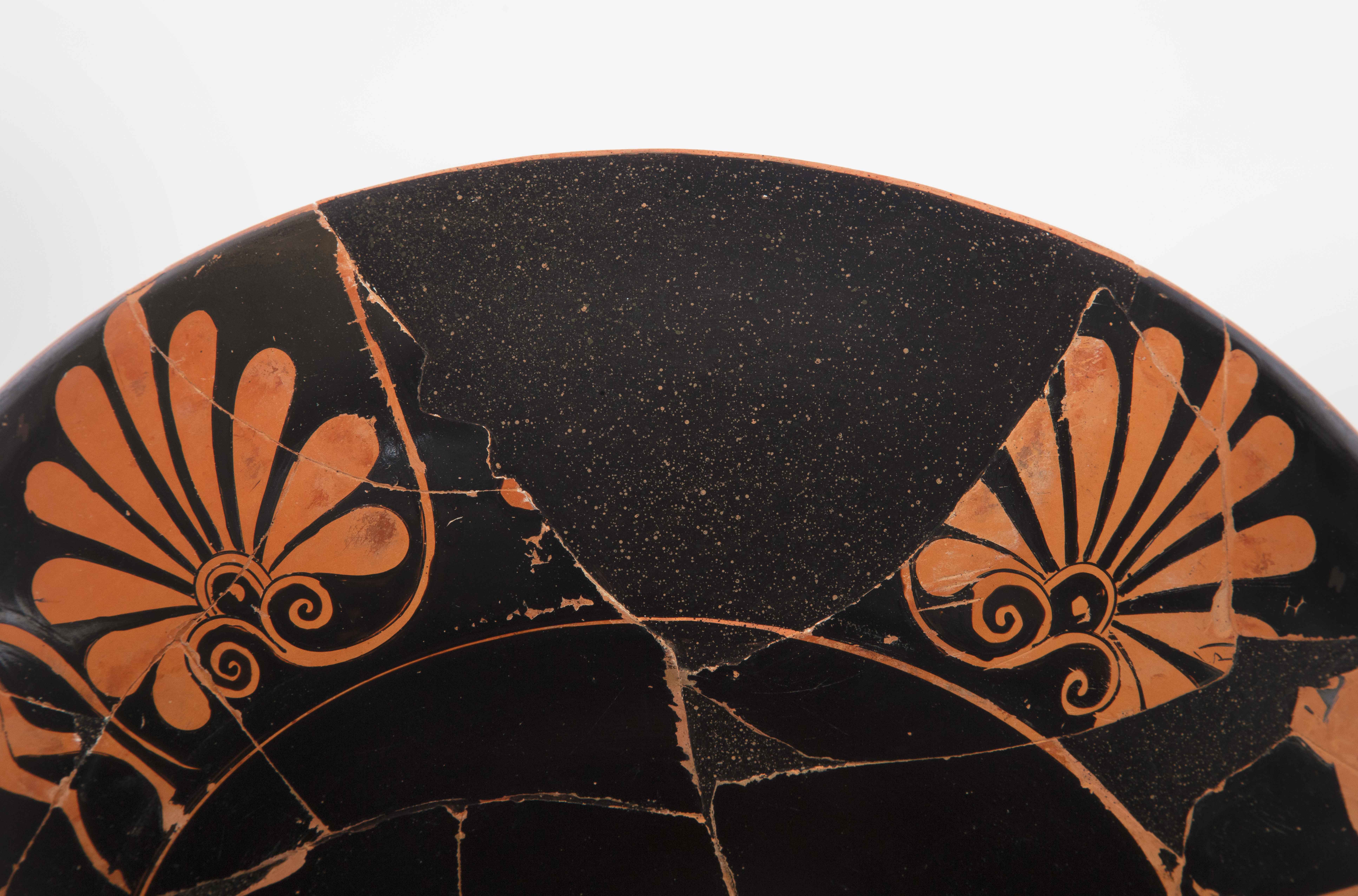
Inv. 34987 - After Restoration

Inv. 35021 - After Restoration
© 2026 Patrons of the Arts
in the Vatican Museums
Vatican Museums V-00120,
Vatican City State (Europe)
+39 0669864499